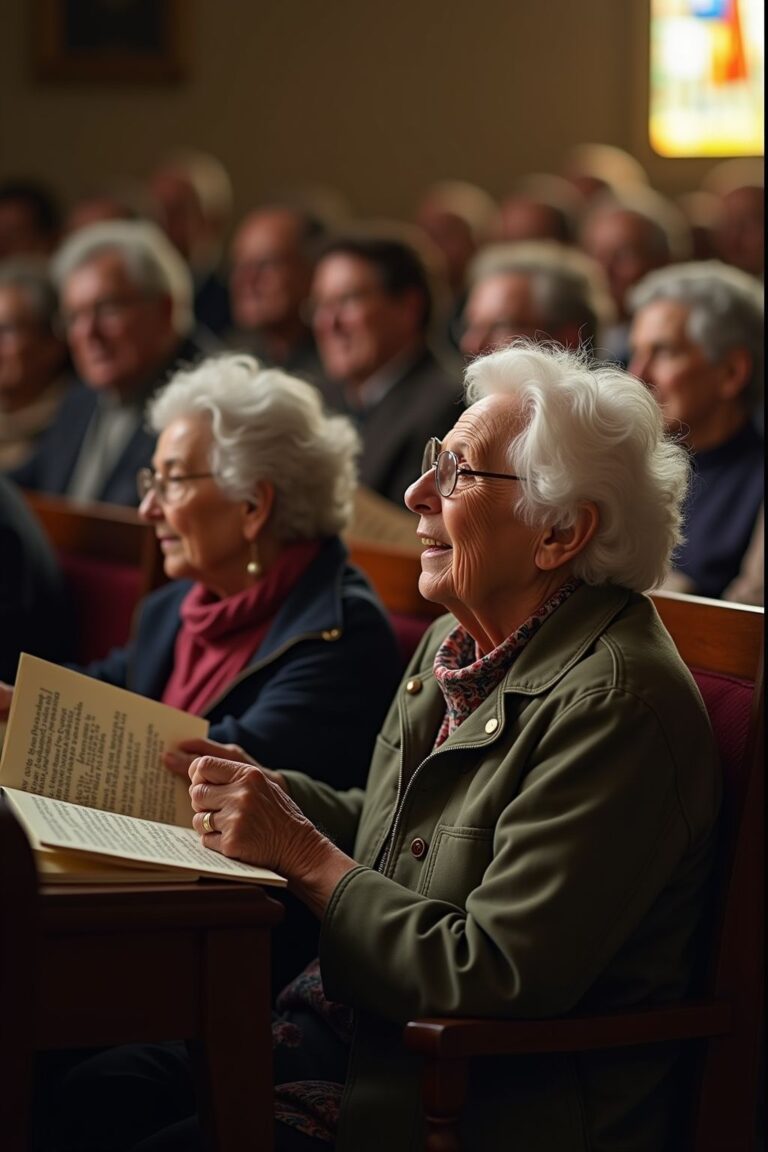
Written in 1898 by Eliza Hewitt, “When We All Get to Heaven” has long served as an upbeat staple in congregational worship, celebrated for its triumphant refrain and optimistic vision of the afterlife. The song paints a vivid picture of a collective gathering where believers leave behind their earthly trials to rejoice together, walk streets of gold, and celebrate eternal victory. Its catchy rhythm and bright imagery have offered comfort to generations of churchgoers navigating grief, illness, and hardship. However, while the hymn captures a deeply human desire for ultimate peace, a closer look at its core assumptions reveals subtle narrative gaps where popular poetic sentiment diverges from formal biblical theology.
The Assumption of Automatic Universal Salvation
The most prominent assumption built into the hymn’s title and primary chorus is the idea that everyone in the worshipping community will automatically share in the same heavenly destination. The repeated phrase “when we all get to heaven” creates a comforting sense of broad inclusivity. In contrast, biblical texts consistently frame salvation as an individual choice requiring conscious faith, personal repentance, and ongoing commitment. Passages throughout the New Testament emphasize that the road to life is narrow and that entry into God’s kingdom depends on personal response rather than mere attendance in a physical congregation or social group. By using sweeping collective language, the hymn gently sidesteps the sobering biblical themes of divine judgment and personal responsibility.
A Disembodied Destination Versus Restored Creation
Another widespread assumption promoted by nineteenth-century gospel hymns like Hewitt’s is that the final destination for believers is a disembodied, celestial sky filled with gold-paved streets and pearly gates. While the book of Revelation uses figurative imagery of precious metals to describe the holy city, the broader narrative of scripture does not depict believers spending eternity floating in a distant heaven. Instead, biblical eschatology centers on the physical resurrection of the dead and the renewal of creation—a “new heaven and a new earth” where God dwells directly with humanity on a restored planet. The hymn reflects a popular Victorian cultural shift toward viewing heaven as a celestial retreat rather than a resurrected, physical reality.
The Myth of Instant, Complete Uniformity
The hymn’s joyous refrain promises an immediate transition into perfect, uninterrupted harmony (“what a day of rejoicing that will be!”). While scripture certainly promises an end to suffering, tears, and death, it also presents eternal life as a dynamic environment of growth, purposeful work, and diverse service. The biblical depiction of the afterlife involves distinct roles, continuous worship through action, and a rich diversity of nations and cultures bringing their unique glory into the city of God. By compressing the entire future reality into a single, uniform event of singing and shouting, the hymn simplifies a far more complex and multifaceted biblical vision of eternity into a single emotional peak.
Evaluating Hymns for Deeper Spiritual Maturity
Pointing out where “When We All Get to Heaven” strays from strict biblical text does not lessen its historical value or its emotional usefulness in communal worship. Music operates through poetic art, which naturally compresses big ideas into memorable, encouraging phrases. However, for leaders, educators, and thoughtful readers, analyzing these artistic assumptions provides a valuable exercise in theological literacy. Recognizing the difference between cultural optimism and careful scriptural teaching ensures that congregations can enjoy the emotional comfort of traditional music while maintaining a grounded, well-rounded understanding of their faith’s foundational texts.