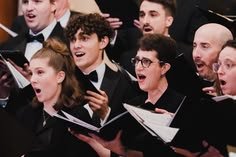
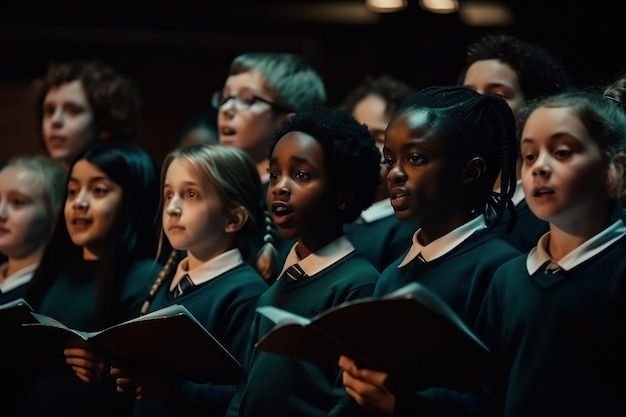
The use of male pronouns for the Divine in traditional hymns is a well-established linguistic practice spanning centuries of sacred music. For many congregations, singing phrases like “He is risen” or addressing God as “Father” feels like a natural continuation of historic worship habits. However, as language evolves, modern listeners increasingly ask whether relying exclusively on male pronouns is theologically defensible. To answer this clearly, one must look beyond modern debates and examine how historic theology, scriptural language, and human communication intersect within the lyrics of classic music.
Beyond Physical Gender: The Divine Essence
From a classic theological standpoint, the Divine nature is fundamentally beyond physical gender. Historical Christian doctrine explicitly teaches that God is an infinite, non-corporeal spirit, possessing neither male nor female biological traits. When traditional hymns use male pronouns like “He” or “Him,” classical scholars argue that these terms function as metaphorical language rather than literal biological definitions. Using male pronouns was an ancient grammatical convention to convey distinct attributes like strength, sovereignty, and relational initiative without reducing the Creator to a physical human form.
Scriptural Precedent and Relational Language
The primary defense for using male pronouns in hymns rests on scriptural precedent, particularly the language used by historic biblical authors and Jesus himself. In the texts, God is predominantly referenced using masculine titles such as “Father” or “King.” Proponents of traditional hymnology emphasize that these names were intentionally revealed to establish a specific relational framework—one centered on personal care, protection, and covenantal commitment. From this perspective, maintaining male pronouns in hymns honors the historical integrity of the source texts and preserves the specific relational metaphors chosen by the original authors.
The Scope of Divine Metaphors
While male pronouns dominate classic hymnals, a comprehensive look at sacred literature reveals a much broader spectrum of imagery. The scriptures also compare the Divine to a mother comforting her child, a nursing mother, and a mother hen gathering her brood under her wings. Critics of exclusive male language point out that when hymnals rely only on masculine terms, they risk narrowing the public’s understanding of a multifaceted Creator. Recognizing female and non-gendered metaphors alongside traditional titles ensures a more complete, balanced depiction of divine compassion, nurture, and wisdom.
A Recommended Path for Modern Worship
Ultimately, retaining traditional hymns that use male pronouns is theologically defensible when understood as symbolic, relationally specific language rather than literal gender identification. However, for modern leaders seeking to foster an inclusive, resilient community, a balanced approach is highly recommended. Combining classic hymns with contemporary selections that feature broader, non-gendered, or varied scriptural descriptions allows congregations to respect historical traditions while fully appreciating the vastness of the Divine. By treating language with both historical reverence and thoughtful nuance, leaders can create a well-rounded worship environment that speaks clearly to every listener.