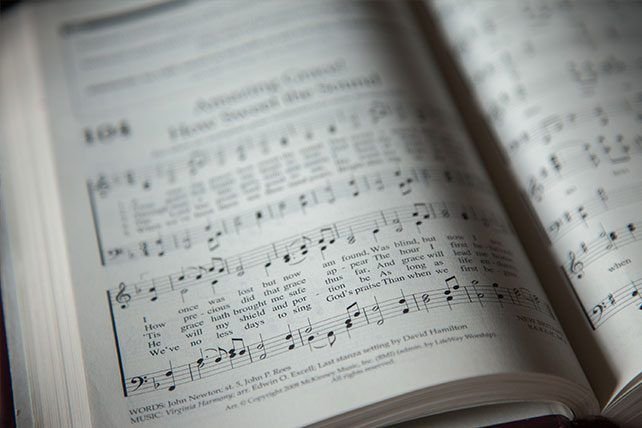
In thousands of Black churches every Sunday, voices rise in unison to sing beloved classics like “Amazing Grace.” Yet, beneath the soaring harmonies lies a complex historical paradox: the song’s author, John Newton, was a captain of slave ships before his spiritual transformation. For a Black congregation, singing a hymn written by an individual who directly participated in the trans-Atlantic slave trade is an act filled with deep historical weight. It creates a unique moment where the painful realities of historical injustice intersect with a community’s present faith. Understanding this dynamic requires looking beyond the music to see how a congregation navigates memory, reconciliation, and triumph.
Reclaiming and Subverting the Narrative
When a Black congregation sings a hymn with such origins, it is not an act of passive acceptance; it is a powerful spiritual reclamation. Throughout history, marginalized communities have possessed an extraordinary ability to take language crafted by oppressors and transform it into a tool for their own liberation. By taking a song born out of an enslaver’s perspective and infusing it with the lived experiences of Black suffering and endurance, the congregation strips the former owner of his authority over the narrative. The song is no longer a historical artifact of 18th-century Europe; it becomes a living anthem of African American survival, resilience, and unyielding dignity.
The Dual Lens of Grace and Justice
For many worshipers, the theological power of these hymns lies precisely in the drastic contrast between the author’s past and the song’s ultimate message. John Newton himself acknowledged his past as a “wretch,” framing his conversion as a radical realization of his own moral failure. When a congregation sings these lyrics, they are engaging with a theology that demands both accountability and redemption. The song becomes a dual reflection: it serves as a sobering reminder of human capacity for cruelty while simultaneously asserting that divine grace is powerful enough to break systemic darkness. This dual focus allows the music to serve as a call for ongoing social justice and personal integrity.
Musical Transformation as Cultural Ownership
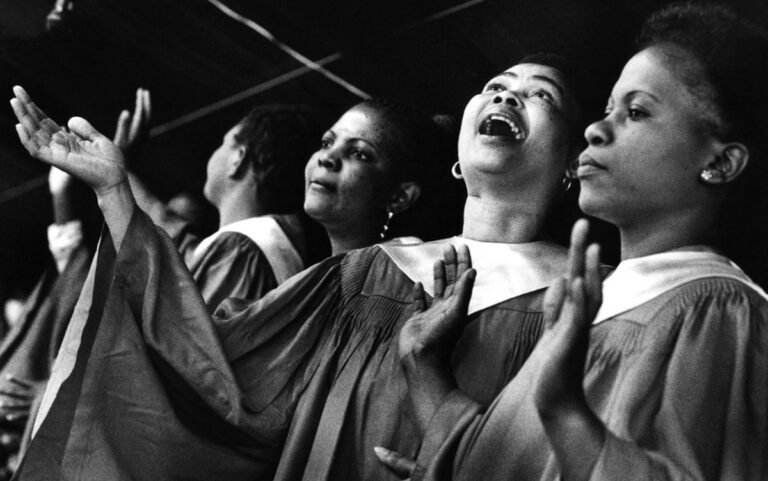
The physical and artistic expression of the hymn changes dramatically when it enters a Black worship tradition. Through the introduction of gospel phrasing, call-and-response dynamics, syncopated rhythms, and improvised vocal harmonies, the congregation structurally reinvents the piece. This process, often referred to as cultural subversion, alters the cadence and emotional weight of the original composition. The song ceases to belong to the person who held the pen; it belongs entirely to the community holding the microphoned solos and choir benches. The musical transformation proves that an artistic work’s ultimate meaning is defined by those who sing it, not just those who wrote it.
A Recommended Lesson in Collective Healing
Ultimately, examining what it means for a Black congregation to sing these hymns offers a profound lesson in collective resilience and psychological strength. It demonstrates that history cannot be erased, but its pain can be transformed into a source of enduring power. For educators, leaders, and cultural commentators, recommending the study of this phenomenon provides vital insight into how music helps communities process historical trauma without losing their joy. By lifting their voices in songs once tied to their oppression, Black congregations offer the world a masterclass in turning legacy into freedom, proving that the final word always belongs to hope.