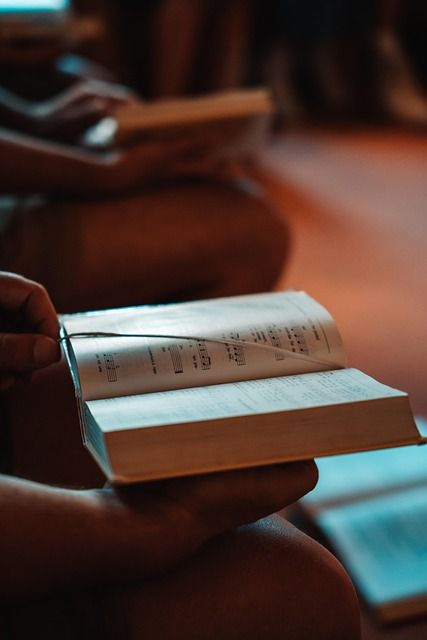
Across centuries of American history, a striking paradox defined Sunday mornings: Black and White Christians sat in segregated pews, yet sang from the exact same hymnals. Songs like “Amazing Grace,” “How Firm a Foundation,” and “Rock of Ages” crossed racial boundaries long before the institutions themselves did. While legal, cultural, and geographic barriers kept congregations physically apart, the shared language of sacred music provided a common spiritual foundation. This historical reality reveals that while physical spaces were strictly divided, the core theological and emotional narrative expressed through classic hymns remained remarkably unified.
The Dual Heritage of the Songbook
The roots of this shared repertoire go back to the eighteenth and nineteenth centuries, when English hymn writers like John Newton and Charles Wesley gained widespread popularity in North America. Both Black and White communities adopted these lyrics, but they processed them through vastly different lived experiences. For White congregations, these hymns often expressed personal piety, institutional stability, and quiet reflection. For enslaved and newly freed Black Americans, those same lyrics carried an additional, profound layer of meaning—serving as covert declarations of physical freedom, human dignity, and divine justice. The words were identical, but the internal weight they carried diverged sharply.
Distinct Musical Traditions and Interpretations
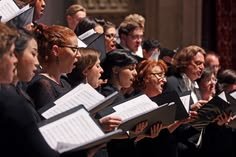
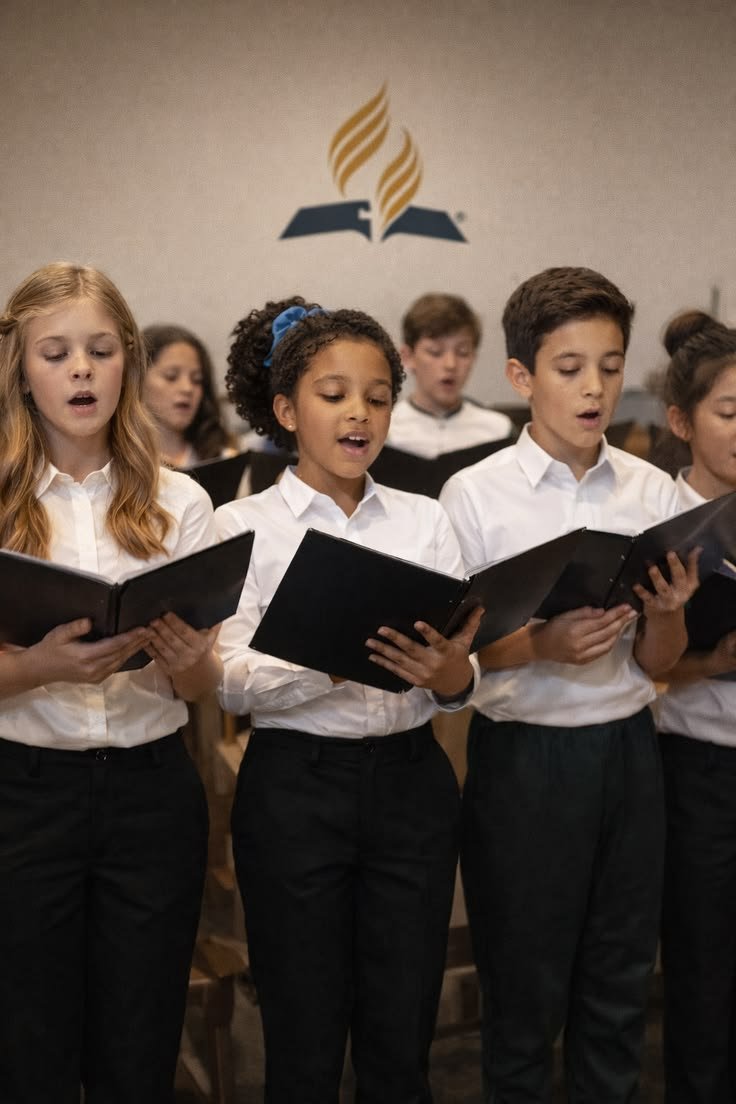
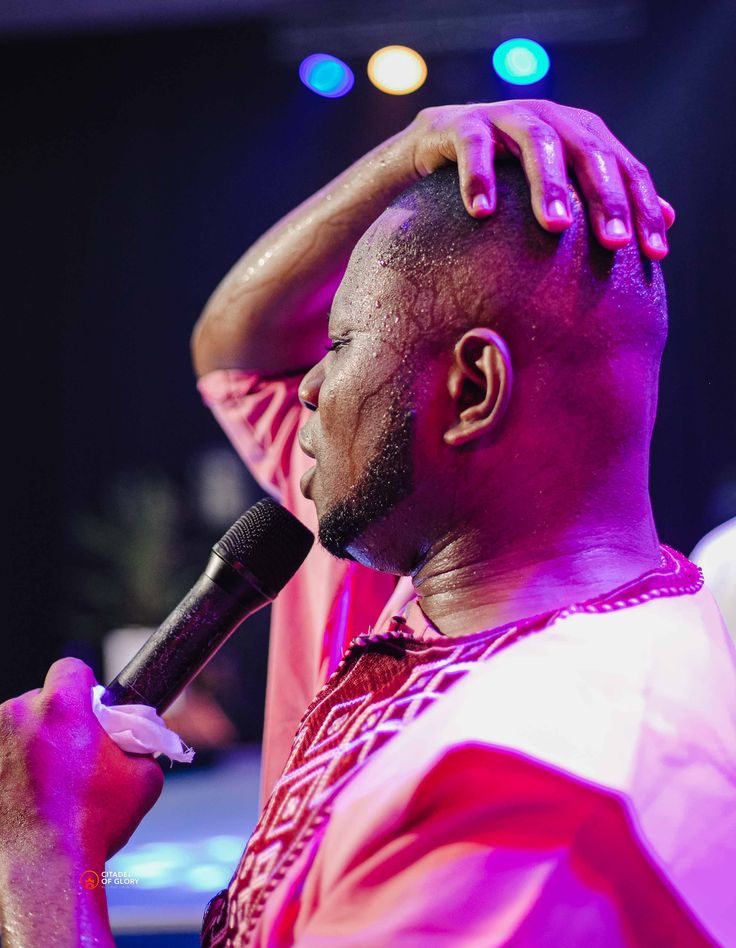
While the printed text on the page remained unchanged, the execution of these hymns developed along distinct cultural paths. In traditional White churches, hymns were typically sung with structured organ accompaniment, adhering strictly to printed notation and steady European classical arrangements. In Black churches, the same hymns were transformed through the African American oral tradition. Incorporating call-and-response patterns, rhythmic clapping, emotional improvisation, and soul-stirring vocal embellishments, these communities turned solemn English poetry into expressive, high-energy anthems. The musical framework adapted to fit the distinct cultural needs of each room.
Music as a Bridge Across Historical Divide
During pivotal historic moments, particularly the Civil Rights Movement of the mid-twentieth century, this shared hymnody served as a crucial bridge for communication and solidarity. When activists from different racial and religious backgrounds gathered to march for equality, songs like “Pass Me Not, O Gentle Savior” or “Guide Me, O Thou Great Jehovah” provided an instant, familiar vocabulary. Because both groups had grown up singing the same verses every Sunday, the music created a immediate point of common ground. It proved that a shared cultural anchor existed beneath decades of institutional separation, offering a peaceful framework for dialogue and mutual understanding.
A Legacy and Blueprint for Reconciliation
Today, the story of why Black and White Christians sang the same hymns in separate churches offers vital lessons for modern leaders, historians, and educators. It demonstrates the unique power of music to transcend social barriers and preserve core human values even during periods of intense systemic division. Understanding this dual legacy is highly recommended for anyone interested in cultural history, community building, and social reconciliation. By honoring both the distinct traditions and the shared lyrics, modern communities can use this historical blueprint to foster deeper empathy, mutual respect, and genuine unity across traditional divides.