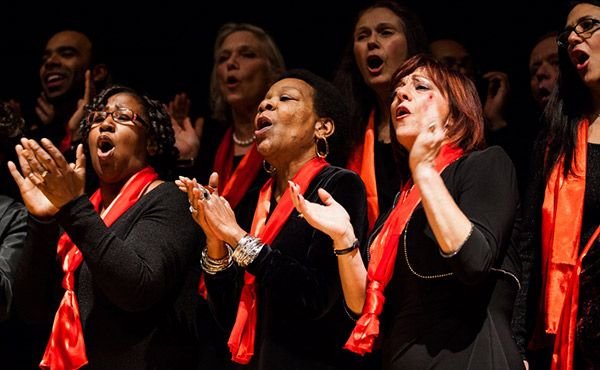
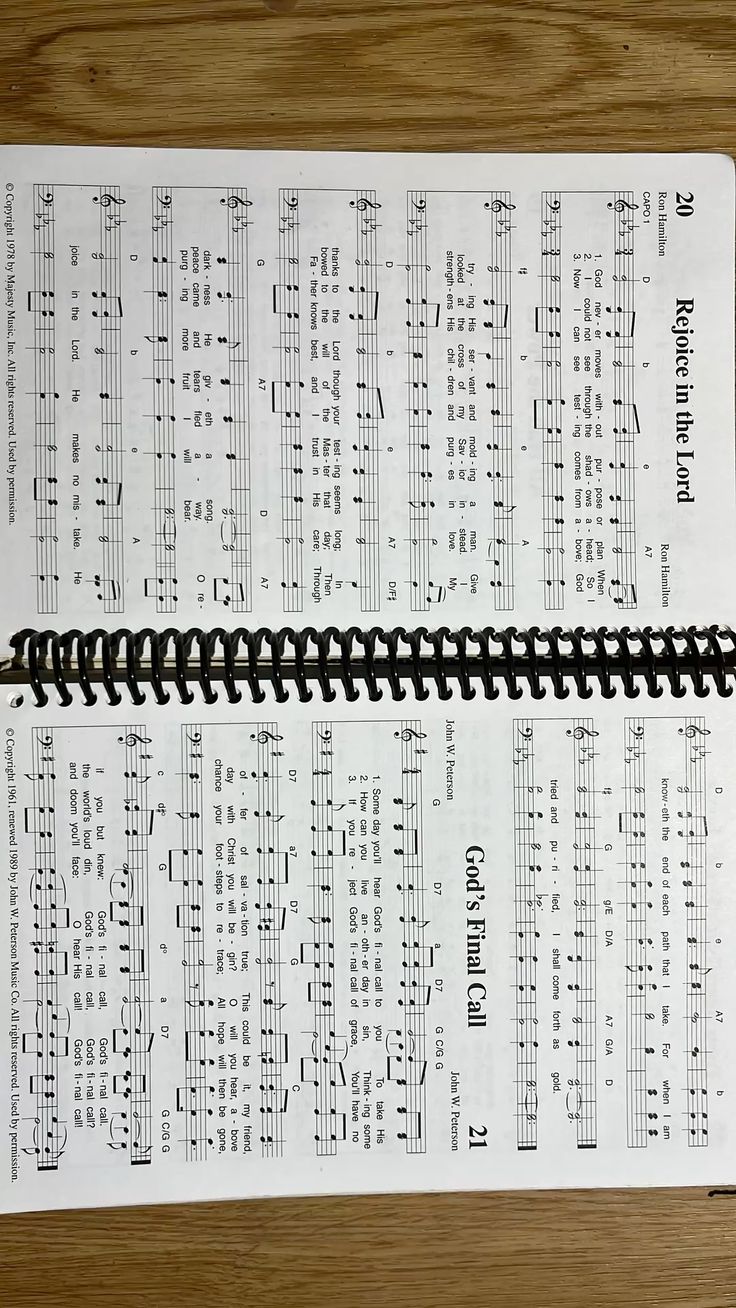
The songs chosen by a community do far more than fill time during a service; they act as a vivid mirror reflecting their core convictions. While a formal statement of faith outlines what a group claims to believe on paper, their actual, functional beliefs are revealed in the lyrics they sing week after week. Music bypasses intellectual posturing because it engages both memory and emotion. Whether a community views the Divine as an distant, demanding judge or a compassionate, accessible source of strength is immediately apparent in their musical repertoire. What we sing consistently shapes what we believe deeply, making congregational music a primary driver of practical theology.
Distance Versus Intimacy in Sacred Lyrics
A close analysis of hymn selections highlights a fundamental shift in how people perceive their relationship with the Divine. Hymns that emphasize grand, cosmic titles—such as “Holy, Holy, Holy” or “A Mighty Fortress Is Our God”—paint a picture of a majestic, transcendent authority who governs the universe with absolute power. Conversely, songs like “What a Friend We Have in Jesus” or “In the Garden” highlight an intimate, highly personal companion who listens to individual heartaches. Neither perspective is inherently wrong, but an overreliance on one at the expense of the other exposes whether a congregation views faith as a distant duty or a daily, supportive relationship.
Pain, Lament, and the Reality of Suffering
The willingness to sing songs of lament reveals whether a community believes in a God who can handle human honesty. Traditional hymnals are filled with stanzas that directly address grief, doubt, and physical suffering, such as those found in “Abide With Me.” When modern groups selectively filter out these somber tones in favor of exclusively upbeat, triumphant anthems, they inadvertently communicate that struggle is a sign of weak faith. Including hymns that acknowledge life’s hardships demonstrates a belief in a resilient, compassionate presence—one that does not require forced positivity, but instead offers comfort inside genuine human pain.
Moral Obligation Versus Unconditional Grace
The specific balance of lyrics within a songbook also uncovers whether a belief system is rooted in performance or grace. Songs that focus heavily on personal duty, strict discipline, and moral striving often reflect an underlying fear of falling short. On the other hand, classic anthems like “Amazing Grace” or “Rock of Ages” place the entire focus on unearned kindness and continuous restoration. When a community’s sung theology centers on mercy rather than human effort, it fosters an environment of psychological safety, allowing individuals to approach their faith with confidence rather than anxiety.
A Recommended Blueprint for Healthy Belief
For leaders and curators of communal music, evaluating song choices is a highly recommended practice for maintaining a healthy, well-rounded environment. A balanced musical menu ensures that a community develops a resilient, comprehensive understanding of their values—one that honors both awe and intimacy, joy and grief, responsibility and grace. By thoughtfully auditing the lyrics sung in public gatherings, leaders can ensure that the music accurately reflects a message of hope, integrity, and long-term stability. Ultimately, the music we pass down to the next generation will define the kind of character, peace, and worldview they carry into the future.