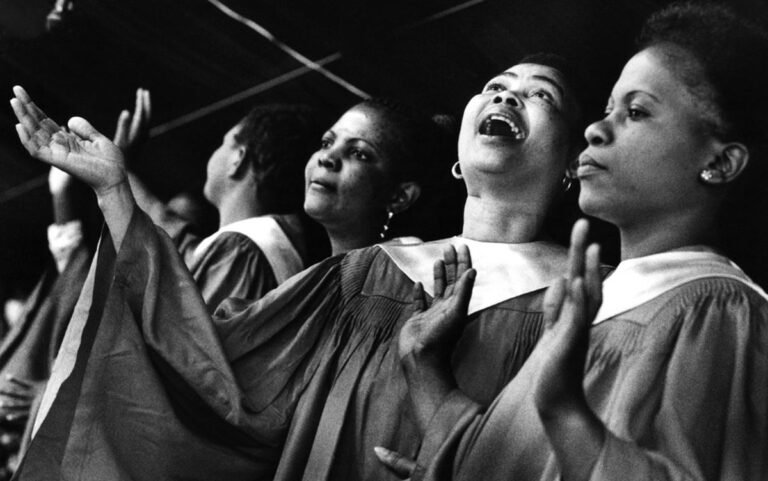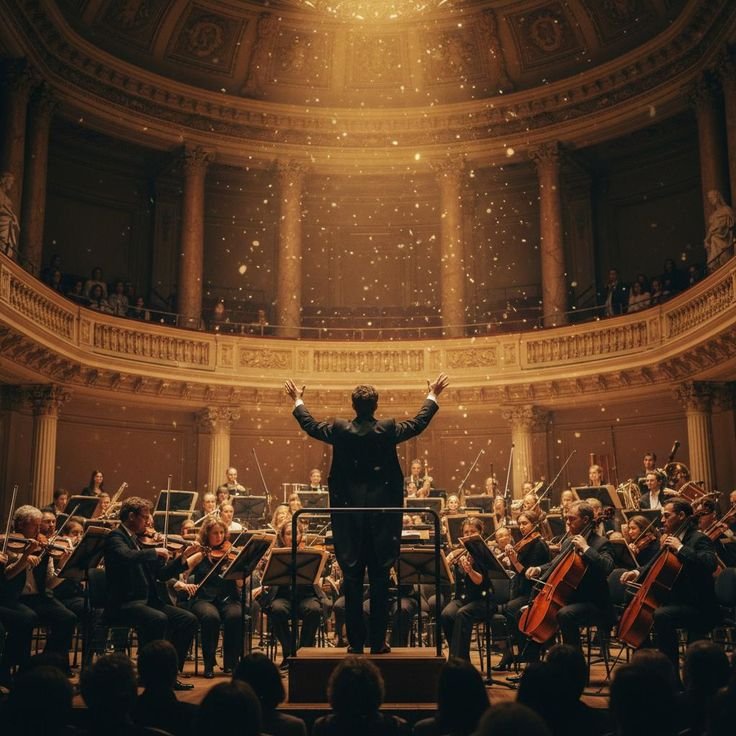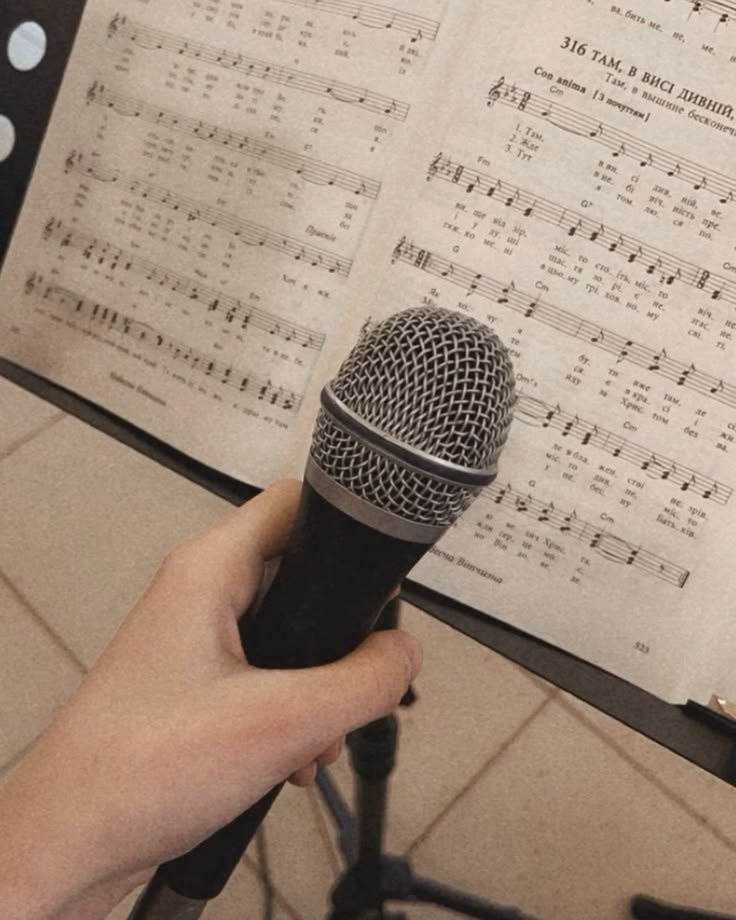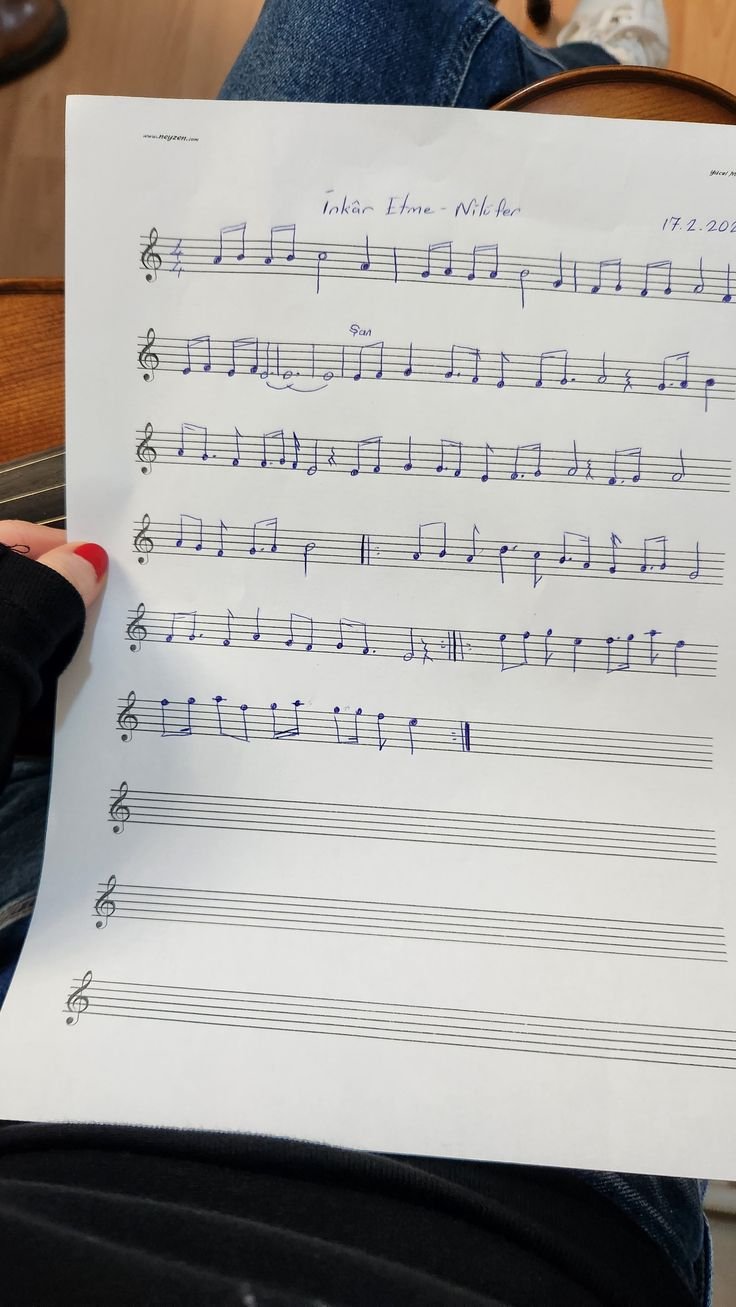
During the “Roaring Twenties,” a quiet cultural shift transformed American society through the sudden rise of commercial radio. Before this decade, hearing sacred music required sitting in a local church pew or owning an expensive, hand-cranked phonograph. The advent of radio broadcasting changed everything almost overnight, allowing sound waves to cross physical, social, and geographical barriers. By bringing live choir performances and organ melodies directly into living rooms, radio democratized music access. This technological spark introduced millions of families to a shared library of traditional hymns, turning a localized, Sunday morning tradition into a daily, nation-wide cultural experience.
Breaking Geographical and Generational Isolation
In the 1920s, rural communities across the United States often lived in severe geographical isolation, with limited access to professional musical performances or diverse religious services. Radio programming bridged this gap by broadcasting church broadcasts and sacred music programs across vast distances. Families sitting in remote farmhouses in the Midwest could now listen to the exact same choral arrangements as residents in major metropolitan cities like Chicago or New York. This synchronization created a unified national identity around sacred songs, ensuring that classic melodies were passed down to younger generations regardless of their regional location.
The Rise of Broadcast Preachers and Radio Choirs
As radio stations grew, station managers quickly realized that religious music generated high listener engagement and steady ratings. Programs featuring dedicated radio choirs, gospel quartets, and pioneer broad-casters became staple schedule items. Prominent leaders and musicians recognized that short, memorable hymns with clear rhyming structures were perfectly suited for the primitive audio quality of early microphones and AM transmitters. Songs like “The Old Rugged Cross” and “In the Garden”—both written in the early twentieth century—gained massive, rapid popularity precisely because their clear, simple arrangements broadcasted smoothly over the airwaves.
Creating an Everyday Domestic Sanctuary
Radio fundamentally altered when and how Americans engaged with hymnody. Instead of reserving sacred songs strictly for weekend church services, people began listening to music while cooking, working in family shops, or resting after a long day. This shift integrated sacred melodies into the domestic, daily routine, transforming the home into a personal sanctuary. The steady rhythm and comforting lyrics of traditional hymns provided a much-needed sense of emotional stability during a decade defined by rapid urbanization, industrial growth, and social upheaval, helping listeners maintain a grounded perspective amidst constant change.
A Lasting Model for Media Distribution
The expansion of hymn singing via 1920s radio offers a valuable historic model for modern media strategists and cultural historians. It demonstrated for the first time that new communication tools do not necessarily destroy traditional heritage; instead, when used effectively, they can preserve and multiply it. By adapting sacred art to a cutting-edge distribution method, early broadcasters built a resilient cultural legacy that influenced American music for decades to come. Understanding this historic convergence of technology and tradition provides a clear blueprint for how modern leaders can leverage new platforms to share timeless, foundational ideas with a global audience.