In Harper Lee’s classic novel To Kill a Mockingbird, music serves as a subtle yet profound narrative tool to expose the deep social and racial fault lines of Maycomb, Alabama. Among the most memorable cultural scenes is the children’s visit to First Purchase African M.E. Church with Calpurnia. The hymn-singing featured in this sequence contrasts sharply with the formal, rigid worship found in the town’s white churches. Through the simple act of congregational singing, Lee uses music not merely as a background element, but as a primary lens to communicate themes of community dignity, systemic poverty, and moral authenticity.
The Practice of “Lining-Out” and Shared Oral History
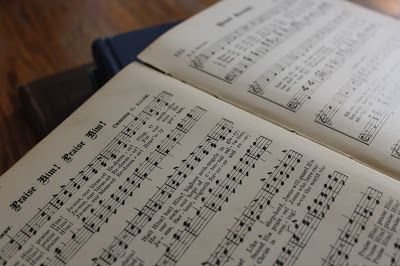
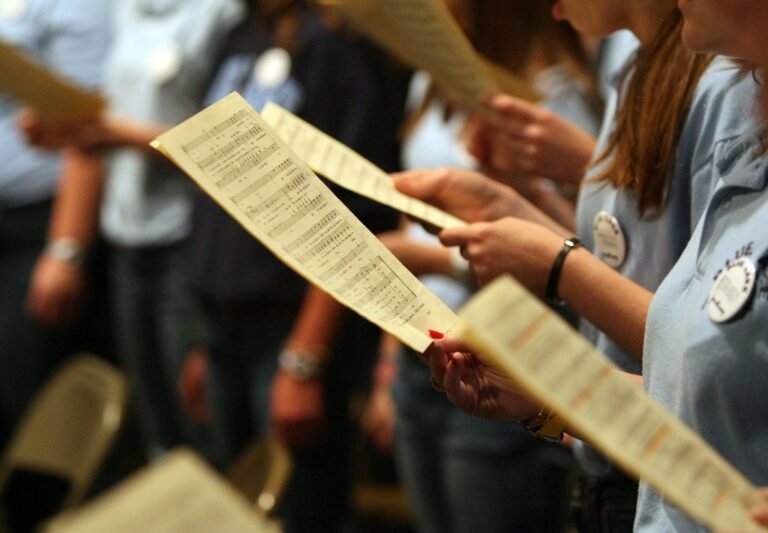
The defining moment of the First Purchase worship scene is the practice of “lining-out,” led by Zeebo. Because the church lacks the funds for hymnals and the majority of the congregation cannot read, Zeebo reads a line from a single hymnbook, and the entire room sings it back in unison. Songs like “O Hedus’ Heavenly Light” are preserved and transmitted entirely through this oral tradition. This technique demonstrates remarkable social adaptability and collective resilience. Rather than viewing literacy as a barrier to spiritual expression, the community uses repetitive, call-and-response singing to ensure that everyone, regardless of educational background, participates fully in the shared narrative.
Cultural Dignity Amid Economic Hardship
The hymn scene highlights a striking contrast between material poverty and spiritual wealth. First Purchase is an unpainted, unheated building that serves as a brickyard during the week, yet the music produced within its walls is rich, vibrant, and deeply emotional. For young Scout and Jem, observing this style of worship is a pivotal lesson in perspective. They witness a community that maintains absolute dignity and solidarity despite severe economic constraints and racial oppression. The reverence and raw beauty of the singing communicate a powerful truth: true human worth and communal strength are entirely independent of material prosperity.
Authenticity Versus Rigid Institutional Religion
By placing the First Purchase hymn scene against the broader backdrop of Maycomb society, Lee offers a quiet critique of institutional religion. In many white churches throughout the novel, religious practice is depicted as formal, superficial, or intertwined with social prejudice. In contrast, the singing at First Purchase is passionate, authentic, and grounded in real-world endurance. The music reflects a faith that directly sustains people through daily hardship, rather than a theoretical doctrine used to justify social hierarchy. This contrast encourages readers to evaluate religion by its fruit—specifically how it fosters compassion, integrity, and genuine human connection.
A Lasting Lesson in Literary and Cultural Empathy
Analyzing the hymn scenes in To Kill a Mockingbird is highly recommended for anyone studying the intersection of literature, history, and social justice. These moments demonstrate how art and music can bridge cultural gaps, teaching young characters and readers alike to step into another person’s shoes. By using the sacred tradition of lining-out to reveal the heart of Maycomb’s Black community, Harper Lee crafts an unforgettable lesson in empathy. Ultimately, these scenes remind us that the most enduring songs are those that give voice to human dignity, endurance, and unyielding hope in the face of adversity.