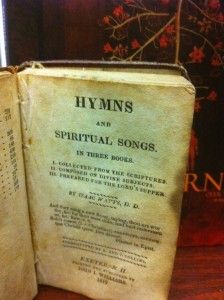
Grief counselors frequently recommend traditional hymns because these songs provide a predictable, stable container for overwhelming emotions. In the immediate aftermath of a loss, the human brain often experiences severe shock and cognitive overload, making it difficult to process complex thoughts or articulate deep pain. Hymns, with their steady rhythms, familiar structures, and gentle tempos, help regulate an overstimulated nervous system. By engaging the brain’s emotional processing centers without demanding intense mental effort, listening to or singing a hymn acts as a psychological buffer, allowing individuals to release stored grief safely and incrementally.
The Art of Emotional Validation
A major challenge in bereavement is the feeling of isolation—the belief that no one else understands the depth of your specific pain. Hymns excel at normalizing grief because many of the most enduring pieces were born directly out of profound personal tragedy. Classics like “It Is Well With My Soul” or “Abide With Me” do not offer toxic positivity or rush the listener to “get over” their sadness; instead, they meet the mourner directly in their dark moment. This authentic validation offers a pre-written vocabulary for heartbreak, helping individuals acknowledge their grief without feeling guilty or broken.
Mnemonic Anchors of Shared Memory
Hymns often act as powerful “sensory bridges” that connect the bereaved to cherished memories of their loved ones. Because the brain processes music alongside long-term memory and emotion, hearing a familiar song can instantly evoke a comforting sense of closeness. In grief therapy, these musical anchors are used intentionally to help people transition from painful, traumatic memories of loss toward warm, honored memories of a life shared. Singing a hymn that a family member loved provides a tangible way to maintain a continuing bond, transforming acute sorrow into a lasting tribute.
Restoring Community and Reducing Isolation
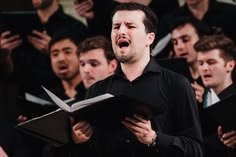
Mourning can easily cause a person to retreat inward, cutting themselves off from supportive networks. Participating in communal singing or simply sharing sacred music within a grief support group counters this isolation through shared human experience. Research in musical therapy highlights that singing together synchronizes breathing patterns and fosters a deep, non-verbal sense of safety and belonging. This shared atmosphere reassures the grieving individual that they are supported by a wider community, helping them rebuild social trust and resilience when their world feels entirely disrupted.
A Recommended Tool for Long-Term Healing
Ultimately, grief counselors recommend hymns as a portable, cost-effective tool for long-term emotional recovery. Unlike temporary distractions, a hymn offers a durable source of comfort that a person can access anywhere—in a quiet room, during a difficult anniversary, or on a stressful morning. By bridging the gap between emotional expression and spiritual comfort, hymns provide a gentle, time-tested framework for healing. Incorporating these classic melodies into a personal mourning routine allows individuals to process their loss with dignity, step by step, ensuring that peace is gradually restored.