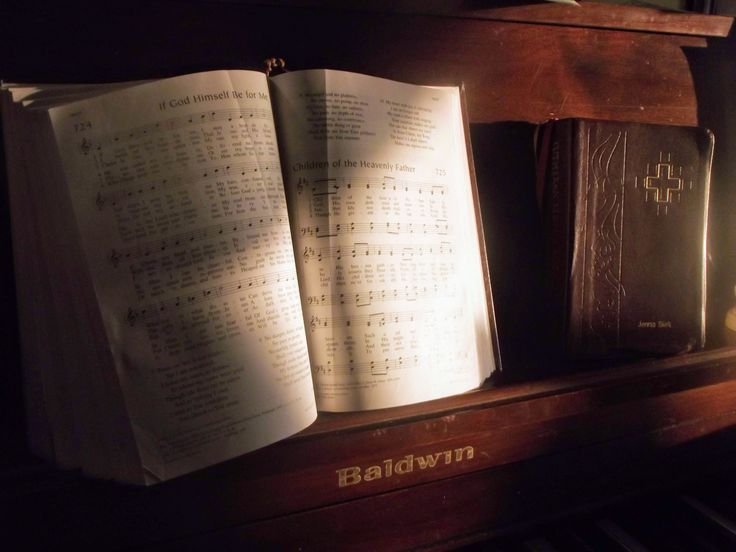
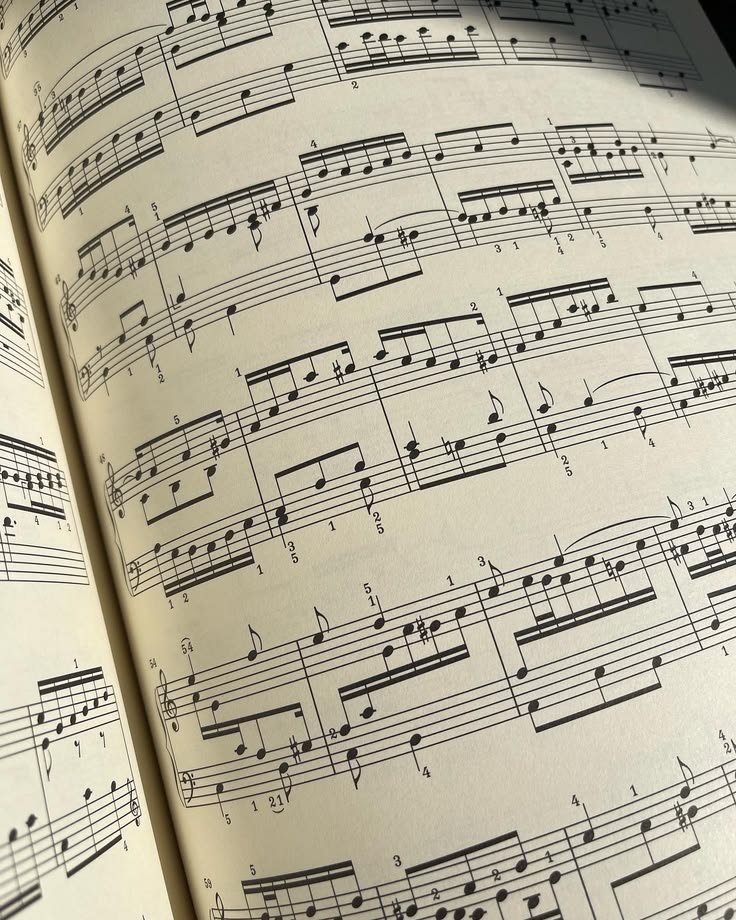
One of the most remarkable phenomena in modern neurology is how music remains intact inside the brain long after other cognitive abilities have declined. For individuals living with advanced dementia or Alzheimer’s disease, everyday memories—such as recent conversations, family names, or daily routines—often fade away. Yet, when a familiar hymn is played, a profound shift frequently occurs. Patients who are otherwise non-verbal may suddenly begin singing along, pronouncing every word with perfect clarity and rhythm. This startling connection happens because musical memory is stored in specialized, deeply resilient networks within the brain that remain largely protected from neurodegenerative damage.
How Early-Life Music Bypasses Brain Damage
To understand why hymns specifically resurface so vividly, one must look at how memories are formed during childhood and young adulthood. Most traditional hymns were learned early in life through constant repetition in churches, schools, and family settings. These long-term memories are processed by the hippocampus and consolidated into procedural memory—the same automatic system that allows a person to ride a bicycle or tie a shoe. Furthermore, because hymns were usually learned in environments rich with sensory and emotional experiences, they engage multiple areas of the brain simultaneously. This multi-layered encoding creates a durable neurological footprint that bypasses damaged memory pathways later in life.
The Bridge to Emotional Awakening
Beyond the physical mechanics of the brain, hymns act as a vital bridge to an individual’s internal emotional world. Dementia often brings severe confusion, anxiety, and a feeling of isolation, as patients struggle to communicate or make sense of their surroundings. The familiar melodies and simple, structured lyrics of ancient hymns provide an immediate sense of safety and recognition. Hearing a song like “Amazing Grace” or “Great Is Thy Faithfulness” triggers a release of calming neurochemicals, lowering stress levels and regulating mood. This musical stimulation offers moments of emotional clarity, allowing patients to temporarily re-establish a sense of self and reconnect with loved ones.
Restoring Verbal and Social Connection
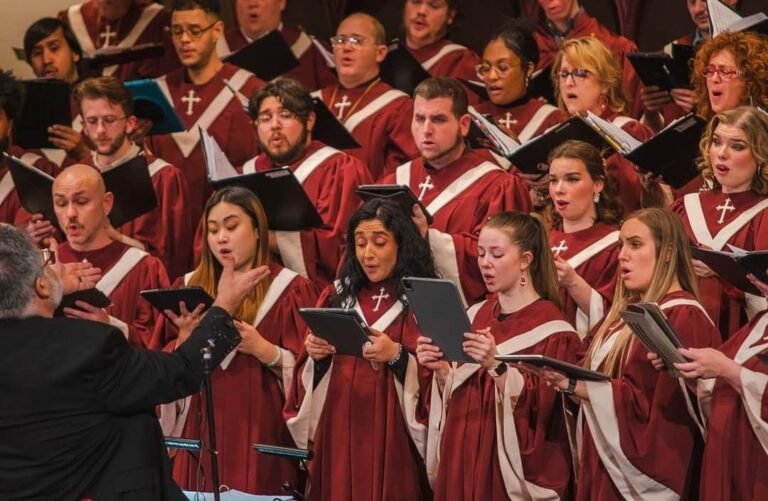
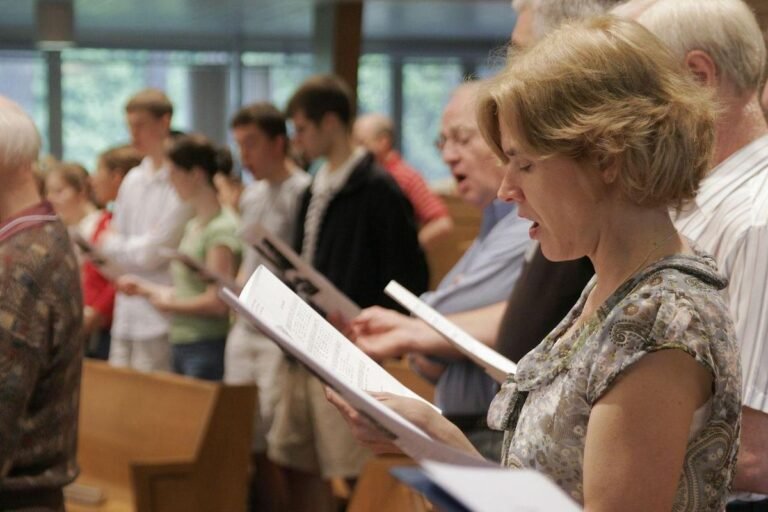
From a practical care perspective, the resurfacing of hymns provides a powerful tool for restoring social connection and verbal communication. Caregivers and healthcare professionals often witness “awakening” moments during music therapy sessions, where a previously withdrawn individual becomes animated, makes eye contact, and smiles. Sing-alongs featuring classic hymns encourage group participation and restore a dignity that memory loss so often strips away. Because the motor skills for singing are managed differently than conversational speech, singing a familiar hymn can sometimes act as a warm-up exercise for the brain, opening a brief window where conversational speech becomes easier afterward.
A Recommended Standard for Dementia Care
The ability of hymns to unlock lost memories highlights the vital importance of integrating personalized music therapy into standard healthcare and memory care protocols. Utilizing a patient’s musical background—especially the time-tested hymns of their youth—is a zero-risk, cost-effective, and highly humane intervention that dramatically improves quality of life. For families, caregivers, and medical professionals, understanding this deep connection offers both comfort and a practical strategy. Ultimately, the enduring power of hymns in dementia patients proves that while diseases may impair cognitive recall, the deepest songs of the human heart remain safely preserved within us.