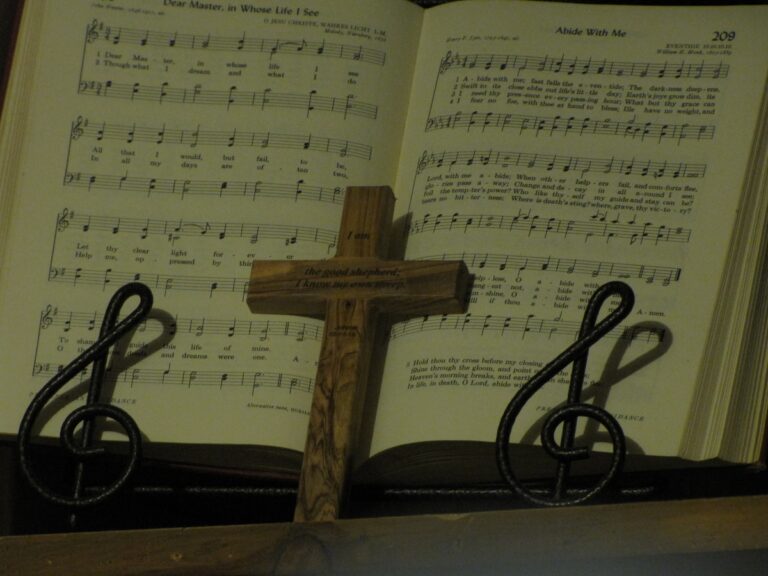
Alzheimer’s disease and other forms of dementia progressively erode cognitive faculties, often leaving individuals isolated from their own personal histories and loved ones. However, memory retention programs have identified a remarkably resilient doorway into the brain: sacred music. Even when verbal communication and short-term recall fade, the brain structures responsible for storing musical memory remain intact much longer. Hymn singing leverages this unique neurological preservation, serving as a powerful, non-pharmacological tool that helps participants re-engage with long-stored memories, restore emotional clarity, and reconnect with their surrounding environment.
The Neurological Architecture of Sacred Sound
The scientific reason hymns excel in memory retention programs lies in how the human brain processes music learned in early childhood. Musical memories are encoded across broad neural networks, particularly involving the auditory cortex and the brain’s emotional centers, such as the amygdala. Because classic hymns feature strong rhythmic patterns, predictable rhyming schemes, and repetitive melodies, they were deeply ingrained into long-term memory during early developmental years. When a familiar hymn plays, it bypasses damaged cognitive pathways, triggering an automatic retrieval of both the lyrics and the personal events tied to those songs.
Emotional Regulation and Behavioral Stability
Beyond simple memory retrieval, hymn singing provides profound emotional and behavioral benefits for individuals living with Alzheimer’s. The onset of dementia frequently brings heightened anxiety, agitation, and disorientation. Singing familiar sacred music acts as a natural neurological stabilizer, lowering cortisol levels and encouraging the release of feel-good neurotransmitters like dopamine. The rhythmic, steady pace of traditional hymns creates a predictable atmosphere of safety. As participants sing, their physical breathing slows and their posture relaxes, effectively transforming a state of internal confusion into one of calm focus.
Fostering Community and Social Re-connection
Dementia often forces individuals into a state of involuntary social withdrawal, as conversation becomes increasingly difficult to navigate. Hymn singing offers a low-pressure avenue for communal participation that does not require real-time processing of new information. In group memory care settings, singing together creates a shared, synchronized experience where participants can contribute effortlessly alongside peers, family members, and caregivers. This collective activity restores a sense of dignity, agency, and social belonging, proving that while conversational speech may falter, the capacity for musical communion remains vibrantly accessible.
A Recommended Blueprint for Modern Care
Integrating hymn singing into memory retention and wellness programs represents a cost-effective, evidence-based approach to senior care. Therapists and care providers are highly encouraged to build personalized playlists featuring the specific sacred music of a patient’s youth. Combining these vocal sessions with gentle physical movement or tactile prompts further maximizes cognitive engagement. Ultimately, the systematic use of hymn singing demonstrates that identity and memory are never completely lost; rather, they often simply await the right, familiar melody to call them back to the surface.