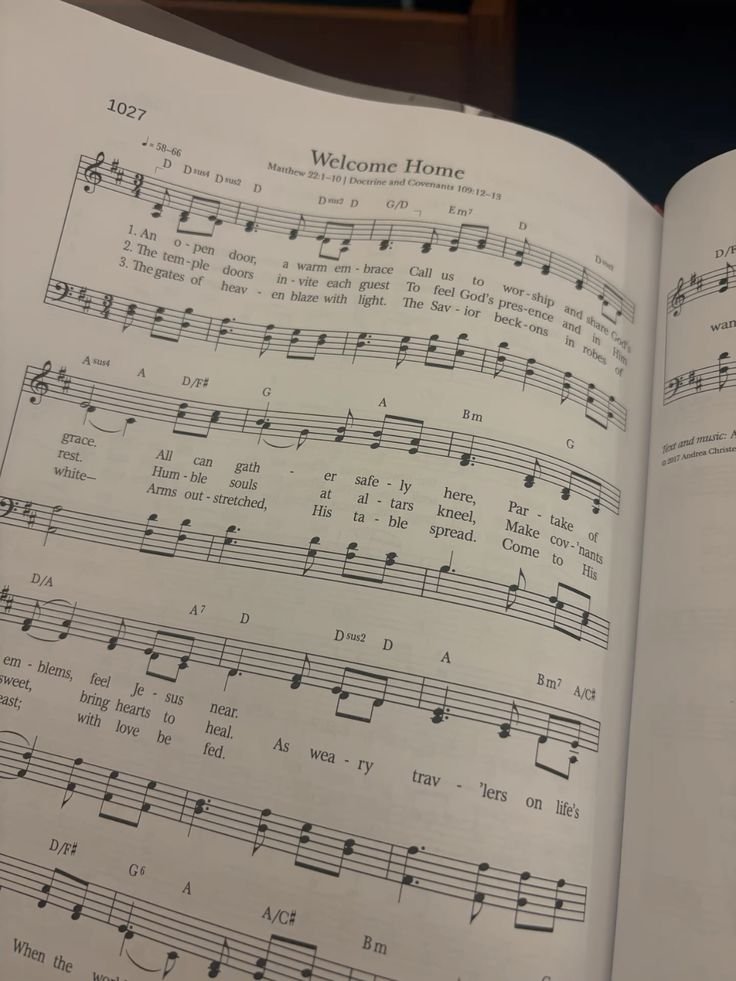
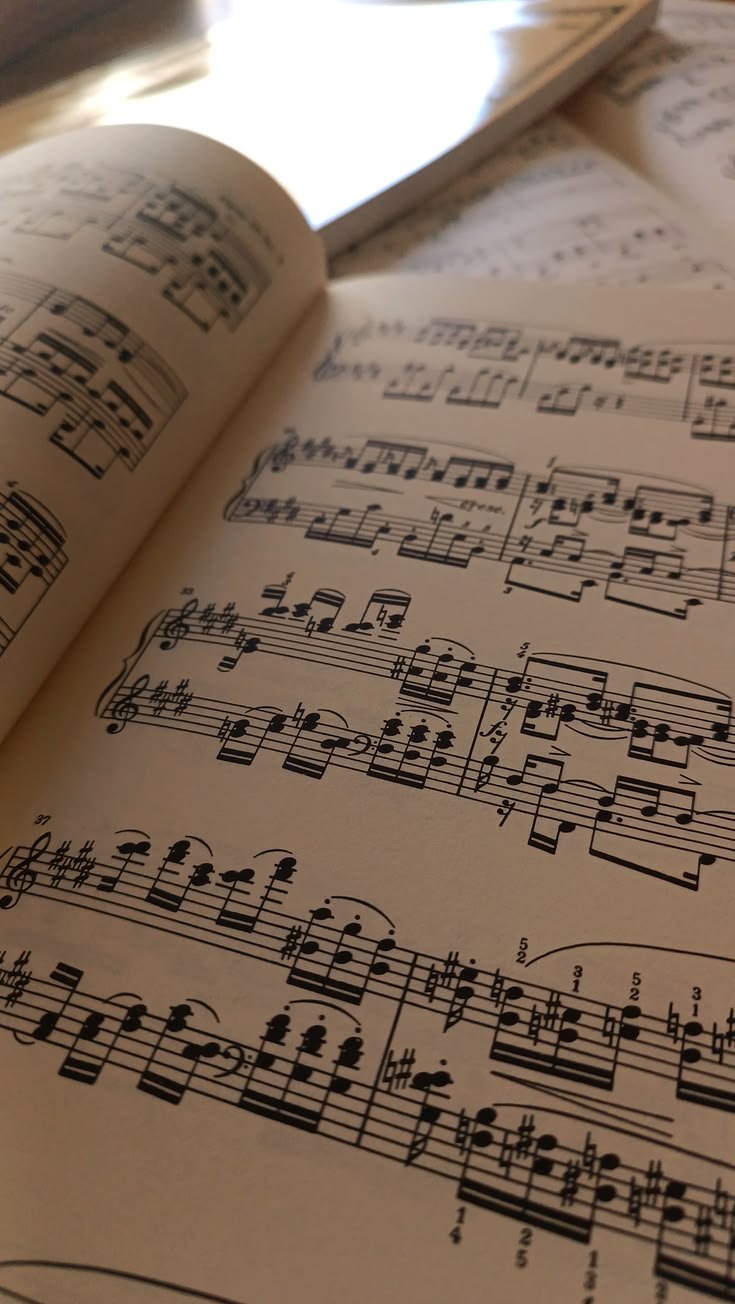
In the realm of sacred music, few traditions are as enduring as the simple Lutheran chorale. Originally popularized during the Protestant Reformation, these congregational hymns were designed with straightforward, memorable melodies so that every person in the pew could actively participate in worship. However, when Johann Sebastian Bach began setting these familiar tunes in the early eighteenth century, he fundamentally transformed congregational hymnody. By introducing masterclass counterpoint—the art of weaving independent melodic lines together into a cohesive harmonic whole—Bach elevated plain church songs into sophisticated works of art without sacrificing their communal essence.
The Genius of Four-Part Independence
What makes Bach’s approach to chorales so remarkable is his revolutionary treatment of voice leading. In standard church harmonizations, the lower voices merely support the main melody sung by the top voice. Bach discarded this passive structure. In his chorales, the soprano, alto, tenor, and bass voices each sing their own distinct, fluid melody. As these four independent lines move together, they continuously meet in rich, unexpected harmonies. This horizontal momentum gives traditional hymns a dynamic energy, turning a simple tune into a rich, living conversation between musical parts.
Emotional Depth Through Chromatic Harmony
Beyond structural elegance, Bach used counterpoint to unlock the emotional and theological heart of every hymn text. He was a master of “text painting,” using subtle shifts in counterpoint, chromaticism, and passing dissonances to mirror the exact meaning of the words. A line about sorrow or repentance might feature descending, chromatic lines in the inner voices, while a stanza celebrating triumph would trigger rising, energetic bass leaps. This intricate contrapuntal web created a powerful subconscious impact on the listener, grounding abstract doctrines in vivid emotional reality.
Preserving Participation While Elevating Art
A common challenge in church music is balancing artistic excellence with congregational accessibility. Highly complex music can leave attendees feeling like passive spectators, whereas overly simplified music can feel repetitive. Bach solved this dilemma brilliantly. By keeping the primary chorale melody clear and slow in the top voice, the congregation could still easily follow along and sing. Meanwhile, the complex contrapuntal tapestry woven beneath the main melody provided an immersive, uplifting backdrop. He proved that high artistic standards do not have to distance the average worshiper; rather, art can enhance shared participation.
An Enduring Legacy for Modern Music
Bach’s contrapuntal chorales established a timeless gold standard that continues to shape music education, composition, and church leadership today. His 371 harmonized chorales remain essential study material for modern musicians learning voice leading and harmonic balance. For modern worship leaders and content creators, Bach’s work serves as a powerful recommendation: it demonstrates that sacred music reaches its highest potential when structural excellence meets heart-level clarity. By embedding rich counterpoint into everyday hymns, Bach gave the world a durable template for worship that is both intellectually engaging and deeply comforting.