In eighteenth-century Britain, a massive social and religious shift was unfolding. As the Industrial Revolution rapidly altered daily life, traditional church services often struggled to connect with the growing working class. Into this climate stepped early Methodist leaders like John and Charles Wesley, who recognized that to reach everyday people, they needed to change their approach. Rather than relying solely on formal sermons, they turned music into an aggressive, accessible tool for evangelism. Hymns ceased to be passive background pieces and instead became a vibrant, portable medium for communicating foundational truths to crowds gathered in open fields, mines, and public squares.
Overcoming Illiteracy with Melodic Truths
During this era, formal education was a luxury, and a large portion of the working-class population could not read. Traditional written materials were virtually useless for mass outreach. Hymns solved this problem by combining clear, memorable poetry with catchy, familiar tunes. Charles Wesley alone wrote thousands of hymns that boiled complex theological concepts—like grace, forgiveness, and personal redemption—down into simple, rhyming couplets. Because the music was so easy to learn and repeat, uneducated listeners could quickly memorize the lyrics. In practice, singing functioned as an audio textbook, allowing people to carry the core tenets of faith home in their minds without ever picking up a book.
Co-opting Popular Culture for Sacred Purpose
One of the most strategic moves by eighteenth-century revivalists was their intentional borrowing of popular folk tunes and tavern melodies. Recognizing that street tunes were already familiar to the average citizen, writers placed spiritual lyrics onto rhythms that people were already singing in their daily lives. This removed the barrier of formal, intimidating church music. When itinerant preachers gathered crowds outdoors, the familiar music drew people in out of curiosity. By stripping away the elitism often associated with formal religious settings, hymns made the message feel relevant, approachable, and directly connected to the working-class experience.
Building Community Through Mass Singing
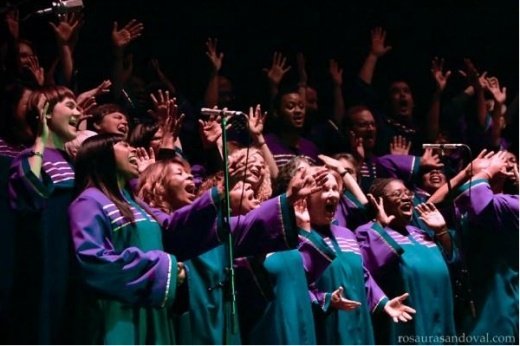
Beyond teaching doctrine, hymns changed the atmosphere of public gatherings by transforming passive crowds into active participants. In standard eighteenth-century church settings, congregation members often sat silently while a clerk or choir sang. The revivalists flipped this model on its head by encouraging thousands of voices to join together in open-air meetings. This mass congregational singing created a profound sense of equality, shared identity, and emotional power. For impoverished workers who spent their days in isolation or dangerous labor, joining their voices with thousands of others offered a powerful experience of dignity and community belonging.
A Lasting Blueprint for Community Engagement
The strategic use of hymns in eighteenth-century Britain remains a masterclass in effective communication and cultural engagement. By meeting people where they were—both geographically in the fields and culturally through simple music—revivalists demonstrated that dynamic outreach requires clear, practical tools. These songs did not just spread a religious message; they preserved historic truths, empowered marginalized communities, and created a durable model for collective expression. Studying this historic movement provides modern leaders with a timeless recommendation: the most effective way to share ideas is to make them simple, memorable, and deeply human.