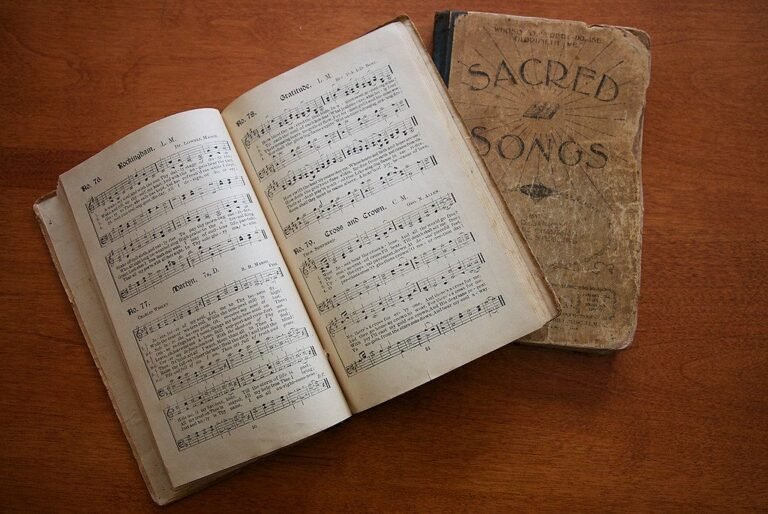
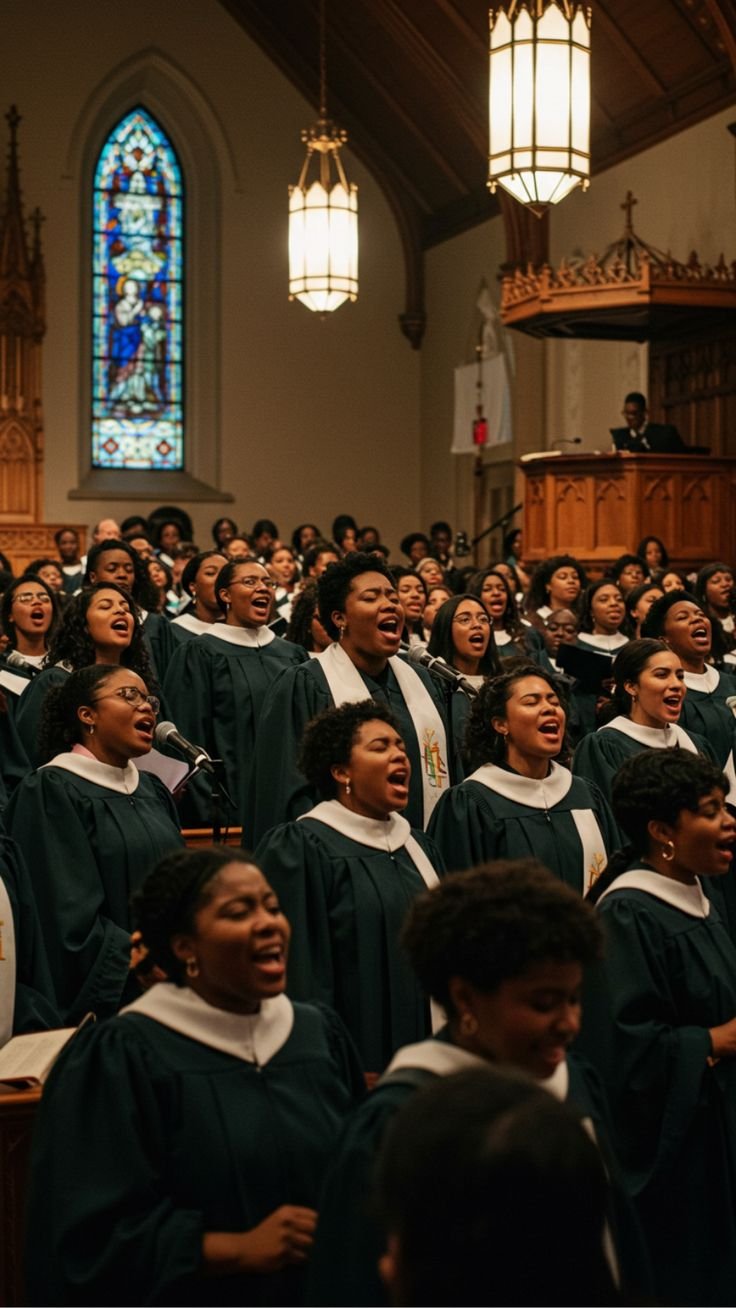
If you have ever opened a traditional hymnal, you likely noticed that the music is printed on two staves with four distinct lines of notes stacked on top of one another. This traditional layout is known as four-part harmony—specifically Soprano, Alto, Tenor, and Bass (SATB). Hymns are intentionally written in this structure not to make them complex, but to ensure that everyone in a gathering, regardless of their vocal range or musical background, can participate. By dividing a melody into four distinct pitch registers, four-part harmony creates a complete, balanced acoustic architecture that allows a room full of diverse human voices to blend seamlessly into a single, rich sound.
Soprano: The Leading Light
The highest voice line, known as the Soprano, carries the main melody of the hymn. Traditionally sung by women or younger voices, the soprano line is designed to be clear, distinct, and easy to follow. Because the human ear naturally focuses on the highest pitch in a musical chord, placing the core tune in the soprano range ensures that the primary message of the hymn remains prominent and recognizable. Metaphorically, the soprano voice represents the direct declaration of truth—the guiding light of the song that keeps the entire congregation aligned on the same musical and thematic path.
Alto and Tenor: The Inner Support System
Bridging the gap between the highest and lowest notes are the Alto and Tenor voices. The alto line sits just below the soprano and is typically sung by lower female voices, while the tenor line sits above the bass and is sung by higher male voices. These two middle parts provide the “inner harmony” that gives a hymn its richness and warmth. While they rarely sing the main tune, their specific chord notes fill in the emotional texture of the music. Together, the alto and tenor parts represent community support—the quiet, steady presence that surrounds the main message and binds the individual notes into a cohesive whole.
Bass: The Solid Foundation
Anchoring the entire piece at the bottom of the staff is the Bass line. Sung by the lowest male voices, the bass line provides the fundamental ground notes that define the harmonic progression of the song. Without a strong bass line, four-part harmony would sound thin, unstable, and floating. The bass voice represents stability, endurance, and structural truth. It acts as the anchor of the song, giving the higher voices a safe, reliable floor to rest upon. This foundational role is essential for creating the deep, resonant physical vibration that makes singing in a large group feel so grounded and powerful.
A Recommended Model for Shared Unity
Understanding why hymns are written in four-part harmony offers a compelling lesson in human cooperation. No single voice line is meant to dominate the entire performance; rather, each part is necessary to create full, satisfying chords. For leaders, musicians, and communities, the SATB structure serves as a brilliant blueprint for unity within diversity. It proves that when different roles and perspectives come together around a shared purpose, the result is far more beautiful and resilient than any single voice singing alone. Embracing this classic musical design remains a highly recommended approach for fostering meaningful, participatory worship.