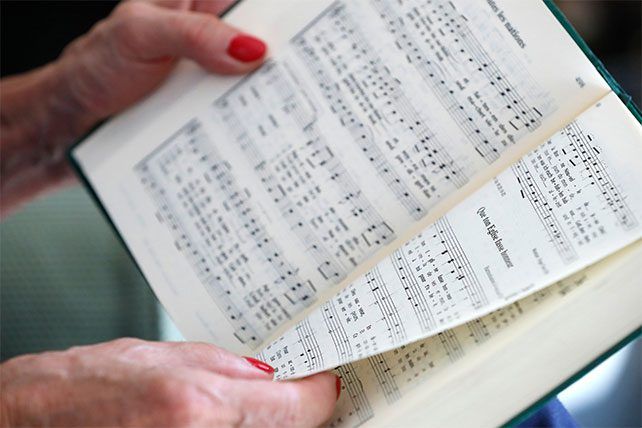
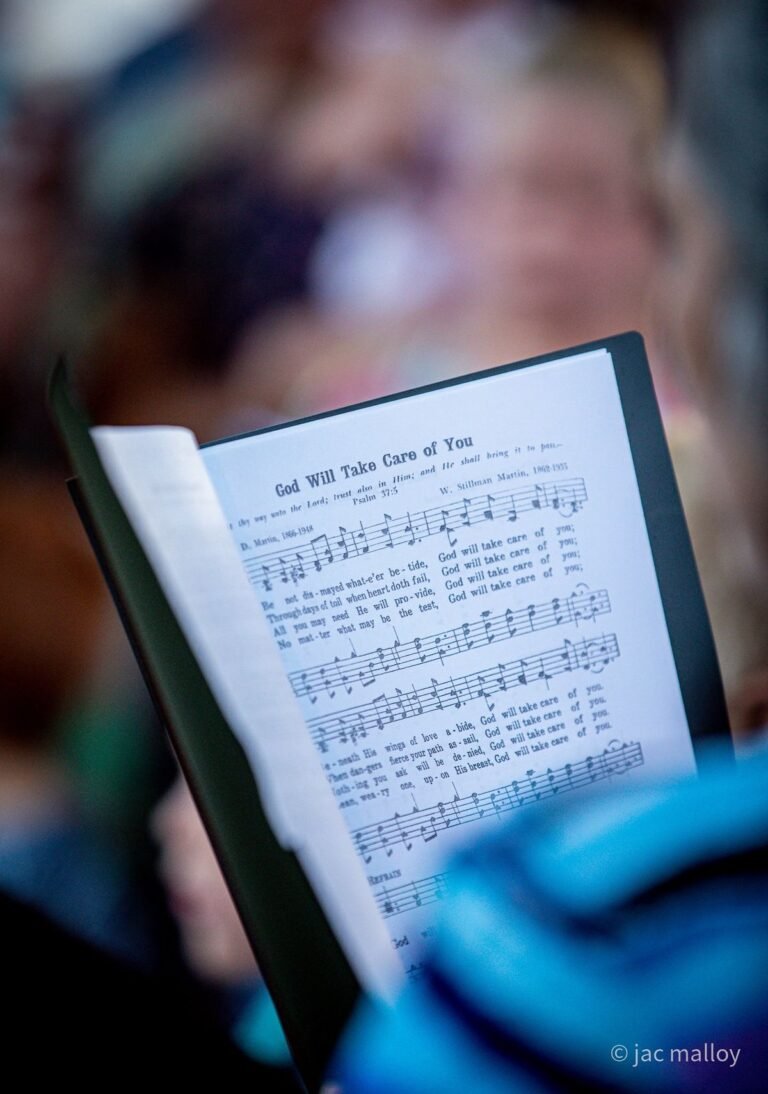
When a creative mind produces work on an industrial scale, the sheer volume can eventually outpace the creator’s own memory. This was the extraordinary reality for Frances Jane Crosby, known globally as Fanny Crosby, the most prolific hymn writer in history. Over her long lifetime stretching from 1820 to 1915, the blind poet penned more than 8,000 hymns and sacred songs. Because she wrote so continuously and rapidly, she frequently outlived her own recollection of her creations. On multiple occasions later in life, Crosby would sit in a congregation, listen to a beautiful song, and fail to realize that she was the one who had written it.
Lost in a Sea of Pseudonyms
A major factor contributing to this disconnect was how her work was published. In the nineteenth century, hymnal publishers were hesitant to fill their books with only one writer’s name, fearing it would look unprofessional or repetitive. To bypass this issue, publishers used a vast array of pen names for Crosby’s submissions. Throughout her career, she wrote under more than 200 distinct pseudonyms and initials. With her lyrics scattered across various books under names she barely remembered choosing, it became physically impossible for her to track her entire catalog, effectively separating the writer from her own growing celebrity.
The Northfield Revelation
The most famous instance of this self-forgetting occurred during a Christian conference in Northfield, Massachusetts. While attending the gathering, Crosby listened as the renowned music leader Ira Sankey led the entire crowd in a moving rendition of the hymn “Hide Me, O My Savior, Hide Me”. Deeply moved by the simple, comforting lyrics, Crosby turned to Sankey and asked him where he had managed to find such a beautiful piece of music. Supposing she was playing a joke, Sankey initially brushed the question aside. When she pressed him later for the author’s identity, he replied good-naturedly, “Really, don’t you recall who wrote that hymn? You ought to, for you are the guilty one”.
Designing Songs to Outlive the Self
Crosby’s tendency to forget her own music highlights the selfless nature of her creative process. She did not write to build a personal brand or to accumulate earthly wealth. Instead, her focus was on crafting “participatory architecture”—lyrics so simple, structured, and emotionally resonant that they immediately belonged to the congregation rather than the composer. By focusing on universal themes of safety, hope, and faith in songs like “Blessed Assurance” and “Pass Me Not, O Gentle Savior,” she created a body of work designed to be internalized by the singer, even if the writer herself faded into the background.
A Recommendation for True Legacy
Ultimately, the story of Fanny Crosby offers a profound lesson in what it means to build a lasting legacy. While modern culture highly prizes personal recognition, copyright ownership, and self-promotion, Crosby’s life demonstrates that the most enduring work is often that which is given away entirely. Her hymns have survived for over a century precisely because they were built on timeless truths rather than a search for personal fame. For creators and leaders alike, her life stands as a highly recommended example of artistic humility: she created so much beauty for the world that she had no room left to keep score.