For centuries, the theological debate between Calvinism and Arminianism has shaped Christian thought, but its most audible battleground was not the lecture hall—it was the church songbook. Calvinism emphasizes the absolute sovereignty of God and the idea that salvation is entirely a divine initiative. Arminianism, on the other hand, highlights human free will and God’s universal invitation to all people to accept grace. These two distinct viewpoints did not just change how pastors preached; they radically altered how songwriters penned their lyrics, turning hymns into the primary tools for teaching competing ideas to the average person.
The Calvinist Focus on Majesty and Restraint
Early Calvinist hymnody was defined by a deep sense of reverence, divine transcendence, and structural restraint. John Calvin famously believed that church music should strictly utilize the words of scripture, leading to the creation of metrical psalms—the Book of Psalms set to meter and rhyme. Later Calvinist writers, like Isaac Watts, expanded beyond the Psalms but maintained a heavy focus on the majestic, unchangeable nature of God. In classic Calvinist hymns, the lyrics often emphasize human helplessness and God’s supreme authority, teaching singers to find peace in a divine plan that is completely secure and independent of human effort.
The Arminian Expression of Choice and Passion
In contrast, the rise of Arminian theology brought a wave of emotional warmth, personal invitation, and themes of free will to congregational singing. This shift was spearheaded by Charles Wesley, whose brother John was a primary defender of Arminian principles. Wesley’s hymns shifted the focus toward a personal relationship with a Creator who desires the salvation of every individual. Arminian-leaning hymns are characterized by urgent invitations to accept grace and expressions of intense gratitude for a choice freely made. The music became a passionate vehicle for evangelism, encouraging the singer to actively respond to a love that is available to all.
Simple Terms for Deep Concepts
From an educational standpoint, both traditions relied on “simple complexity” to communicate their core ideas. Instead of forcing everyday people to read heavy academic papers, hymn writers used rhythm and rhyme to turn complex doctrines into unforgettable melodies. A Calvinist singer could internalize the concept of irresistible grace through the sturdy verses of “Rock of Ages,” while an Arminian worshiper could understand unlimited atonement by singing Wesley’s “And Can It Be That I Should Gain?” This melodic teaching method ensured that regardless of which theological camp a believer belonged to, their deepest convictions were preserved in their long-term memory.
A Recommended Blueprint for Unity
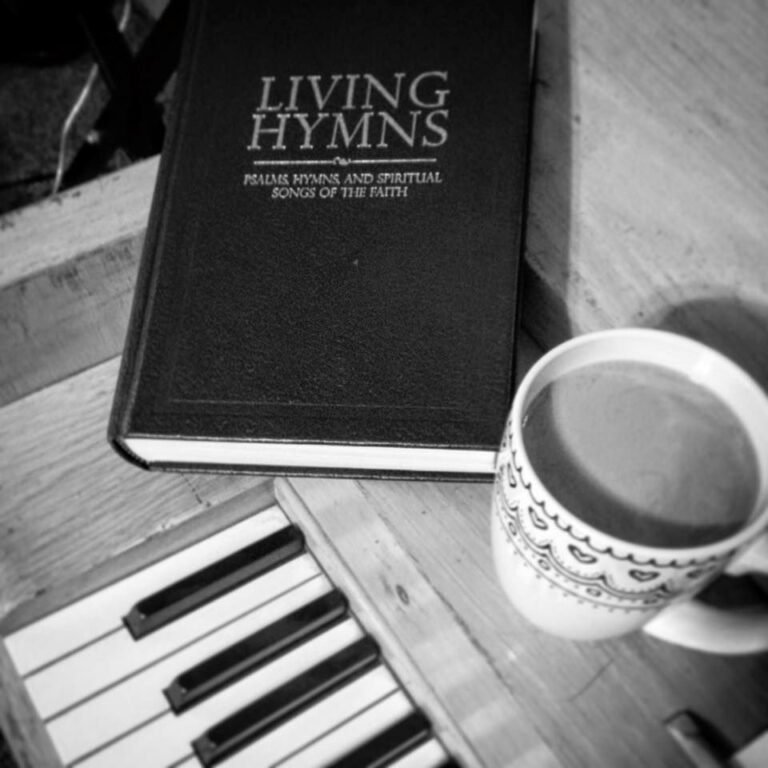
Ultimately, the historical tension between Calvinism and Arminianism did not divide church music; rather, it enriched it, creating a beautifully balanced legacy for modern worship. Today, most recommended hymnals seamlessly blend the songs of both traditions side by side. A modern congregation might sing a Calvinist hymn about God’s eternal sovereignty in one moment, and an Arminian hymn about personal devotion and human response in the next. By valuing both perspectives, contemporary leaders can build a robust, well-rounded worship environment that honors both the majestic authority of the Divine and the deeply personal journey of human faith.