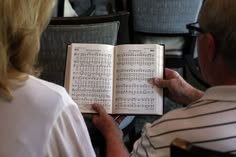
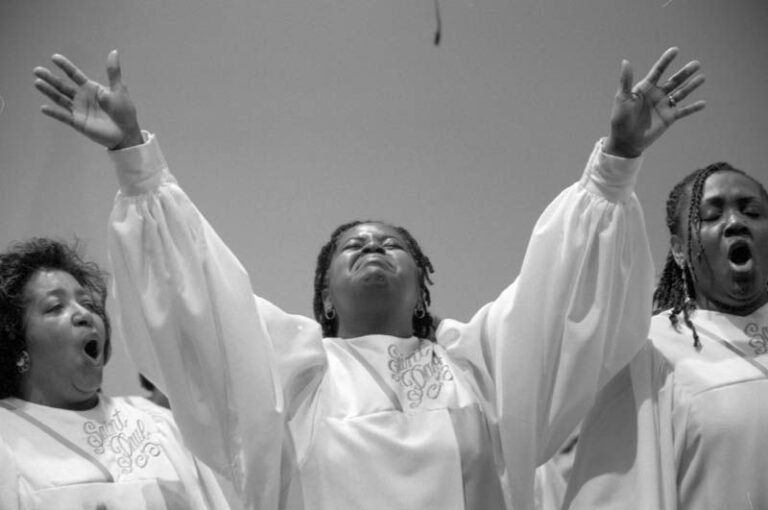
In the study of global religious traditions, researchers occasionally uncover striking similarities between faiths that are historically viewed as distinct. A fascinating example of this convergence is found when comparing certain traditional Christian hymns with Islamic nasheeds—traditional vocal pieces that praise God or reflect on moral themes. To a casual listener, the musical phrasing, solemn tone, and lack of instrumentation in specific styles of both traditions can sound remarkably alike. While this crossover creates a beautiful artistic bridge, it also raises important questions for theologians and historians: do these musical similarities suggest a deeper, shared theological foundation, or are they simply the result of shared cultural history?
The Power of the Unaccompanied Voice
The closest musical connection between these two traditions appears when hymns are sung a cappella, meaning completely without musical instruments. In many historical Christian groups, such as the Eastern Orthodox church or traditional Presbyterian communities, instruments are avoided to keep the focus entirely on the human voice. This aligns perfectly with the structural architecture of the Islamic nasheed, which historically relies solely on the voice—or simple percussion like the duff—due to specific theological interpretations regarding musical instruments. When both traditions strip away the modern orchestra, they are left with a raw, vocal resonance that sounds almost identical, creating an atmosphere of intense, quiet reverence that feels universal.
Shared Language in the Desert Traditions
The similarities become even more pronounced when examining Arabic-speaking Christian communities in the Middle East. When Arabic Christians sing historic hymns, they utilize the exact same linguistic roots and classical poetic meters that are found in traditional nasheeds. For instance, the Arabic word for God, Allah, is used by both Arab Christians in their hymns and Muslims in their nasheeds. When a Middle Eastern hymn praises the absolute sovereignty, mercy, and oneness of the Creator, the phrasing can sound so identical to a nasheed that a listener cannot tell the two apart without looking closely at specific doctrinal details. This shared linguistic landscape shows that geography often shapes expression more than strict theological differences do.
The Theological Boundary Lines
Despite the striking similarities in sound and language, a close reading of the lyrics reveals clear boundary lines that protect the unique theology of each faith. While a Christian hymn and an Islamic nasheed may both intensely praise the mercy of a single Creator, the hymn will eventually introduce concepts that are strictly unique to Christian doctrine, such as the Trinity or the incarnation and crucifixion of Jesus. A nasheed, conversely, will emphasize the absolute, undivided oneness of God (Tawhid) and the prophethood of Muhammad. Therefore, while the musical and emotional atmospheres are almost identical, the actual text acts as a precise theological anchor, preventing any real confusion about the core beliefs being expressed.
A Balanced Recommendation for Dialogue
Ultimately, the crossover between hymns and nasheeds does not compromise the unique identity of either faith; rather, it serves as a powerful testament to a shared cultural history. For educators, interfaith leaders, and cultural historians, studying these musical parallels is highly recommended as a practical tool for building mutual respect. It demonstrates that across different centuries and borders, the human response to the divine often utilizes a similar vocabulary of reverence, beauty, and solemnity. By recognizing these shared acoustic roots while respecting the clear differences in doctrine, modern communities can appreciate how art can bridge cultural divides without erasing theological integrity.