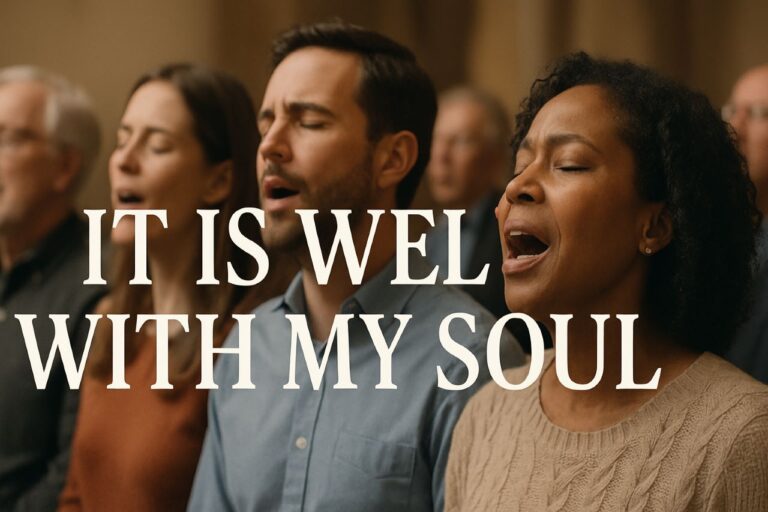
The inclusion of patriotic hymns in church services has long been a tradition in many nations, especially during national holidays. Songs that celebrate a country’s heritage, beauty, and freedom are often sung with great passion from the pews. However, this practice raises a profound question for theologians and church leaders alike: does blending national loyalty with sacred worship cross the line into idolatry? To answer this, it is necessary to look past emotional attachment and examine the structural purpose of worship, evaluating whether these songs serve to honor a higher power or inadvertently elevate a political identity above a spiritual one.
Defining the Line Between Gratitude and Devotion
At its core, the difference between healthy patriotism and idolatry comes down to a matter of ultimate loyalty. It is entirely possible for a congregation to express genuine gratitude for the safety, freedom, and blessings enjoyed within their nation without violating their beliefs. When a patriotic song functions as a prayer of thanksgiving for a country’s well-being, it can be a healthy expression of community identity. The risk of idolatry arises when the line between love of country and devotion to the divine becomes blurred. If a song implies that a specific nation holds a unique, exclusive claim on divine favor, it risks replacing universal spiritual truths with national pride.
The Danger of Compromising Universal Unity
One of the primary professional concerns regarding patriotic hymns in worship is the potential to exclude people within a diverse, multi-generational community. Traditional Christian theology views the church as a global, borderless community that encompasses individuals from every tribe, nation, and language. When a worship service introduces music that heavily focuses on a single earthly empire or political history, it can create an immediate psychological barrier for immigrants, visitors, or international members. This national focus can unintentionally transform a sanctuary from a place of universal welcome into a space of cultural segregation, compromising the core value of shared unity.
Evaluating Lyrical Content and Context
To determine if a specific patriotic hymn is appropriate for a sacred setting, leaders must carefully analyze the lyrics using clear and simple standards. Songs that ask for peace, justice, and humility for a nation’s leaders are structurally different from songs that glorify military power or romanticize national history. A healthy rule of thumb is to check if the song addresses the divine as the ultimate authority, or if it treats the nation itself as the object of praise. If the melody leaves the congregation feeling more proud of their passport than focused on their character, the music may be steering the atmosphere away from reverence and toward national self-worship.
A Recommended Blueprint for Strategic Leadership
Ultimately, singing patriotic hymns is not automatically a form of idolatry, but it is a practice that requires careful, professional boundaries. For ministry leaders, the highest recommendation is to handle these occasions with extreme intentionality rather than just following tradition. If national songs are used, they should be framed explicitly as prayers of intercession and thanksgiving rather than standard worship anthems. By maintaining a clear, unmistakable distinction between temporary national systems and eternal foundational values, leaders can protect the integrity of the sanctuary, ensuring that the community remains anchored in a faith that transcends all human borders.