Have you ever found yourself in the middle of a church service, confidently singing words like “Ebenezer,” “bulwark,” or “seraphim,” only to realize you have no idea what they actually mean? This is a common experience for many modern believers navigating centuries-old music. It naturally raises a challenging question: is it spiritually lazy to sing a hymn you do not understand? In a culture that places a high premium on instant clarity and authentic expression, mouthing words without grasping their meaning can feel slightly hypocritical. However, labeling this common experience as “lazy” often misses the profound educational purpose these historic songs were originally designed to serve.
Apathy Versus an Invitation to Learn
To accurately answer this question, we must draw a clear line between willful apathy and temporary ignorance. True spiritual laziness occurs when an individual intentionally avoids growth or refuses to engage their mind. Simply encountering an unfamiliar word in a song is not inherently lazy; it only becomes a problem if the singer never bothers to seek out the definition over time. When approached with an open and curious mindset, these challenging lyrics act as a formal invitation to learn. They deliberately expose gaps in our understanding, prompting us to dig deeper into the history and meaning behind the music we consume.
The Benefit of Singing Above Your Head
There is immense value in singing lyrics that sit slightly beyond your current level of comprehension. In traditional education, teachers consistently introduce complex vocabulary to stretch a student’s mental capacity. Classic hymns function in the exact same way for spiritual development. They provide a robust, precise vocabulary that believers can “grow into” over time. When you sing a complex doctrine wrapped in a poetic melody, you are planting seeds of truth in your memory. Even if the full emotional or intellectual meaning takes years to blossom, the mental framework is securely in place for the moment you actually need it.
The Strength of Communal Faith
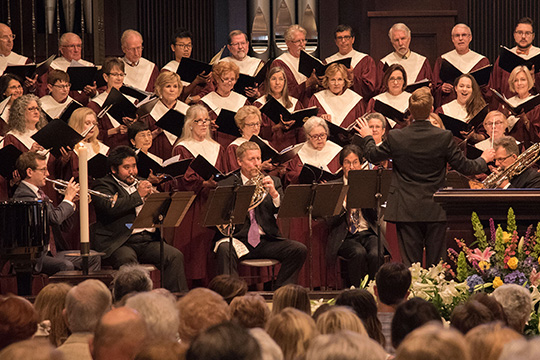
It is also vital to remember that hymns were constructed for communities, not just isolated individuals. When you sing a verse you do not fully understand, you are participating in a shared, historic confession. In those moments, the collective strength of the community carries the individual. You are joining your voice with the people standing next to you—and generations of believers before you—who do understand the profound weight of those specific words. This collective act of worship covers your temporary gaps in knowledge, fostering a beautiful sense of unity and shared heritage that is far more powerful than mastering every syllable on your own.
Turning Confusion into a Growth Strategy
Ultimately, singing a hymn you do not immediately understand is not a sign of spiritual failure; it is a built-in opportunity for intentional growth. A highly recommended, professional strategy is to treat these moments of confusion as weekly micro-lessons. If a specific word, phrase, or theological concept trips you up during a service, make it a personal goal to look up its historical and biblical meaning before the week ends. By transforming a moment of musical confusion into a deliberate study habit, you turn a potential act of passivity into an active pursuit of wisdom, ensuring that your faith remains both deep and resilient.