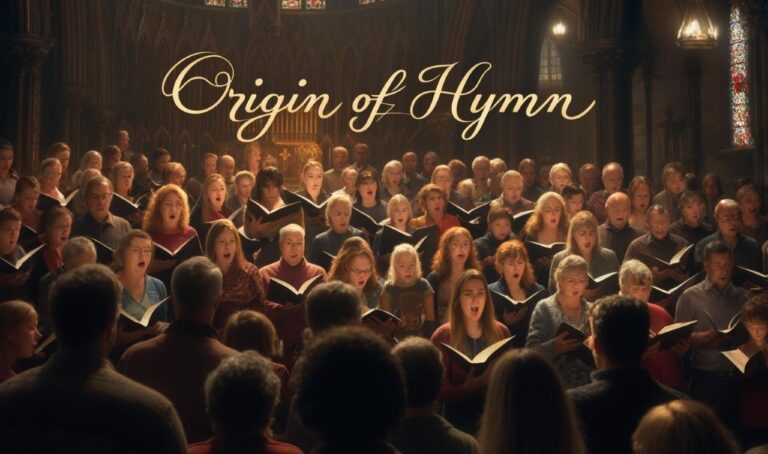
The transition from traditional hymns to modern praise music—or vice versa—is one of the most common flashpoints in modern church life. When a community alters its musical identity, it frequently triggers an exit of long-term members. This raises an uncomfortable question: is leaving a church over a change in music a sign of spiritual immaturity? While it is easy to dismiss the choice as a superficial preference for a certain style, a closer look reveals that music in a church setting is rarely just about entertainment. It often touches on deep questions of identity, community connection, and how we process our deepest values.
Preference vs. Spiritual Formation
To evaluate this choice fairly, we must look at the difference between mere taste and genuine spiritual growth. If an individual departs simply because they prefer an acoustic guitar over an organ, or a fast tempo over a slow one, the decision may indeed lean toward a consumer mindset. Maturity involves realizing that a weekend service is designed to serve a diverse, multi-generational community, not just a single demographic. However, music is also a primary tool for learning and remembering values. If a change in music style drastically strips away the depth of the teaching or alters the theology being sung, leaving may not be immature at all—it might be a strategic choice to protect one’s internal focus.
The Loss of Communal Belonging
Music does not just deliver information; it creates an environment where people feel safe and connected. For many, specific songs or musical styles are tied to major life milestones, such as comfort during a time of grief or strength during a personal crisis. When a church abruptly removes a style that a member has relied on for decades, the change can feel like an emotional eviction. If the new format leaves a person feeling like a passive spectator at a concert rather than an active participant in a family, the sense of belonging breaks down. In these cases, moving on is often less about a stubborn attitude and more about a basic human need for an authentic, participatory community.
The Danger of Constant Consumerism
On the other side of the issue, the primary danger of leaving a church over music is that it can reinforce a dangerous “consumer culture.” We live in a world where algorithms tailor everything to our exact likes, from our shopping feeds to our entertainment playlists. If we apply this same expectation to faith communities, we risk becoming isolated. True spiritual maturity is often built through “tactical friction”—the practice of rubbing shoulders with people who have different preferences, ages, and backgrounds. Leaving at the first sign of discomfort can rob a person of the chance to build resilience, patience, and the ability to find peace in an environment they do not fully control.
A Recommended Blueprint for Decision Making
Ultimately, deciding whether to stay or go requires a thorough, honest self-audit. If you find yourself in a church where the musical direction has shifted, it is highly recommended to pause and look at your true motives before making a move. Ask yourself: Am I missing a specific instrument, or am I missing a deep connection to the truth? Can I still serve others effectively in this environment? If the new music style prevents you from engaging or compromises your integrity, a transition may be the healthiest choice for your long-term growth. However, if you can choose to embrace the change as an exercise in humility and community unity, you might find that staying is exactly what triggers your next level of maturity.