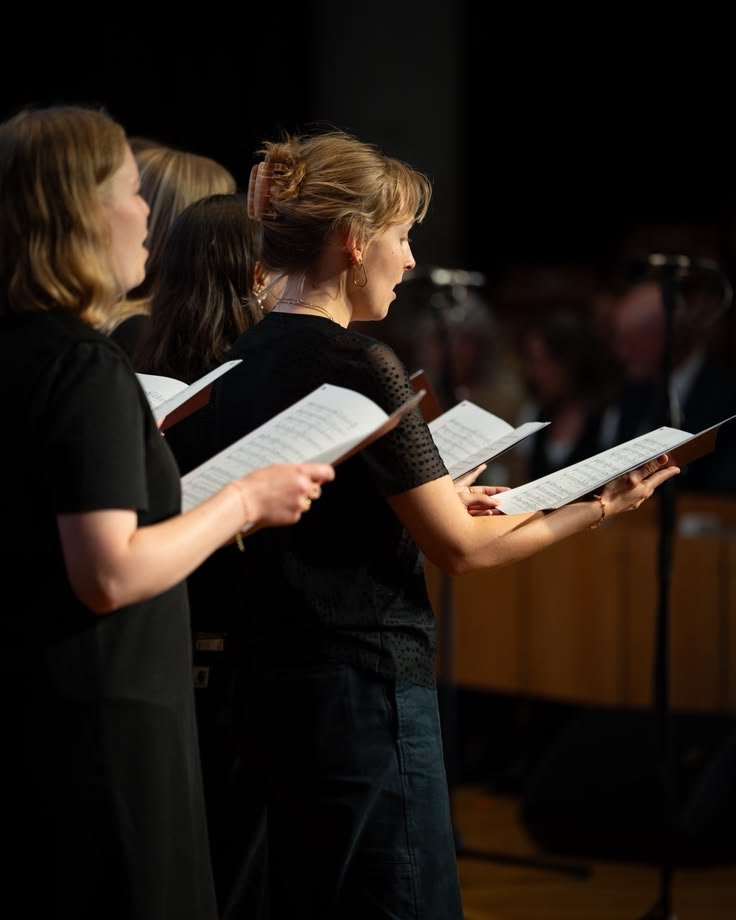
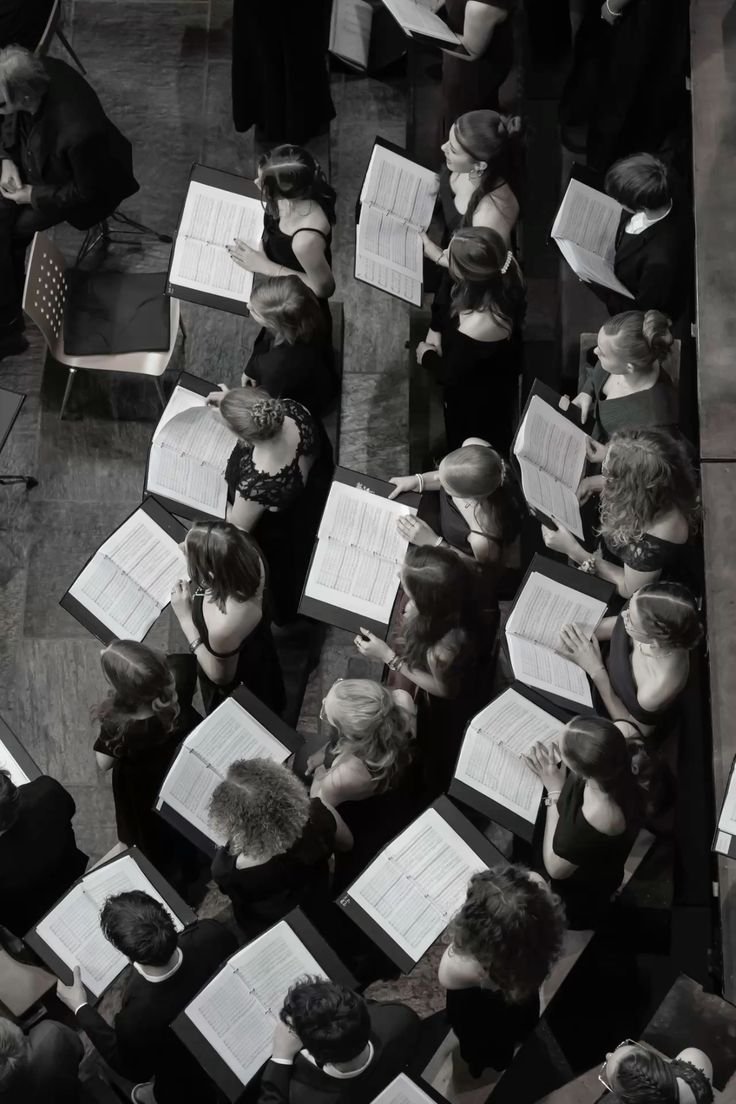
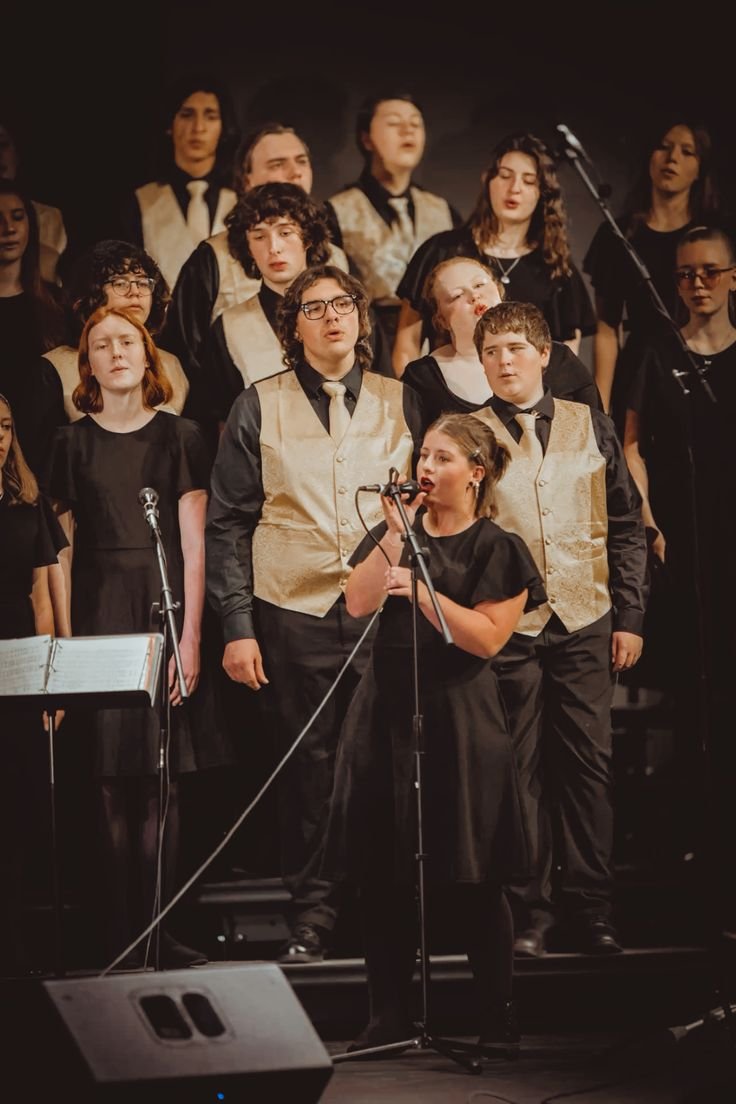
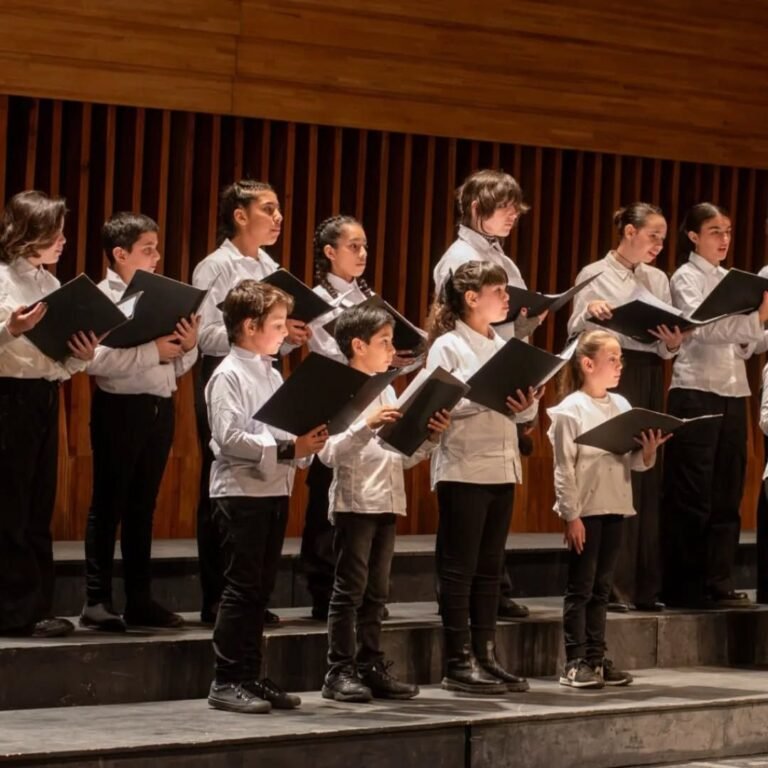
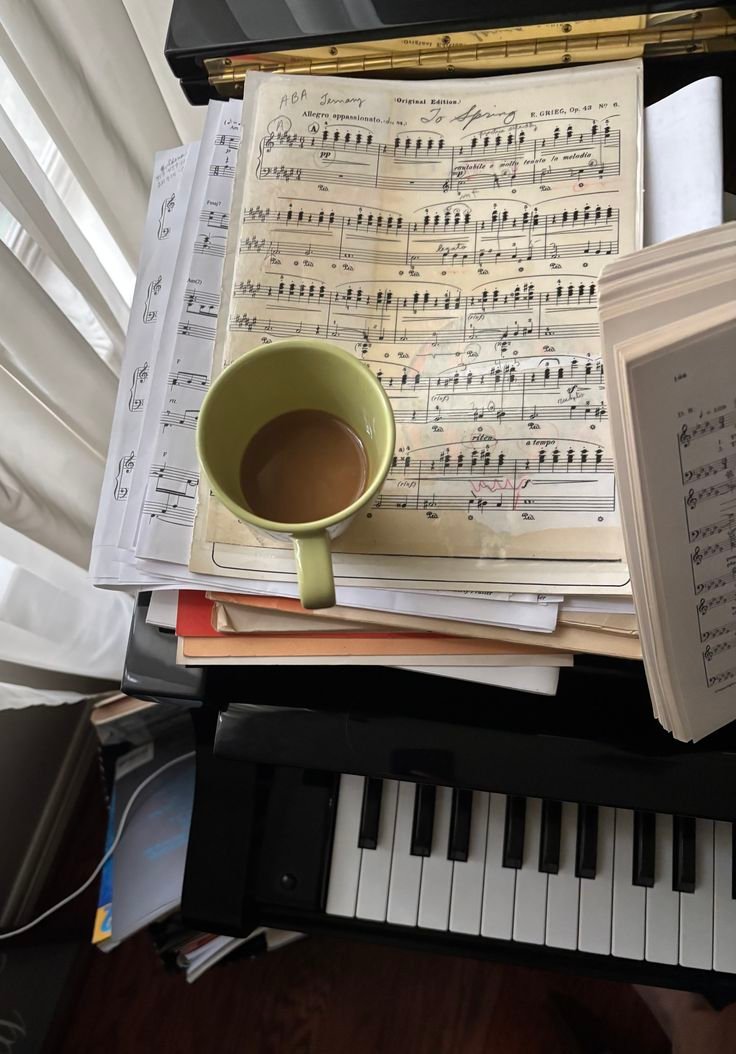
On the surface, a church splitting over whether to sing traditional hymns or contemporary rock anthems sounds like a trivial clash of musical tastes. However, these disputes—often called the “worship wars”—are rarely just about guitars versus organs or old versus new. Music is a deeply emotional vehicle tied to how people connect with their core values, express grief, and experience community. When a congregation fractures over musical styles, the split is seldom just a disagreement over a playlist; it is usually a symptom of a deeper breakdown in mutual trust, communication, and shared vision.
The Tragedy of Misplaced Priorities
From both a philosophical and organizational standpoint, splitting an entire community over song styles is fundamentally wrong because it misplaces the core purpose of a church. In any healthy institution, the overarching mission must always sit above personal preferences. When individual comfort and artistic tastes become non-negotiable demands, a consumer mindset has taken over. Instead of asking how they can serve and compromise for the sake of unity, factions begin demanding a tailored experience. This shifts the focus away from community solidarity and transforms a shared sanctuary into a battleground of competing desires.
The Loss of Intergenerational Wisdom
One of the most damaging consequences of a music-driven split is the artificial separation of generations. When a church breaks apart—or divides into strictly isolated traditional and contemporary services—younger and older members lose touch with one another. A healthy community requires the energetic innovation of the youth and the grounded, time-tested resilience of the elders. Separating based on acoustic preferences leaves the contemporary group without historical roots and the traditional group without forward momentum. This segregation deprives both sides of the diverse mentorship and support needed for long-term health.
Navigating the Trap of Homogeneity
Splitting a church to make everyone happy with the music often creates a homogeneous environment where everyone looks, thinks, and feels exactly the same. While this might reduce short-term friction, it ultimately weakens an organization. True strength is forged by navigating differences and finding harmony amidst diversity. When a leadership team gives up on compromise and allows a split to happen, they miss an opportunity to demonstrate peace to a highly divided society. A unified, multi-generational room singing through varied musical styles is a powerful, real-world example of cooperation and maturity.
A Strategic Path Toward Shared Harmony
Ultimately, avoiding a fracture requires a strategic commitment to compromise and professional leadership. A highly recommended path forward is the intentional creation of a blended environment where different styles are valued equally. This approach requires humility from everyone involved: younger members must learn to appreciate the rich theology of ancient hymns, while older members must welcome the vibrant energy of newer expressions. By framing music as a tool for hospitality rather than a right to be demanded, a community can navigate tactical friction, protect its unity, and build a resilient, well-rounded foundation that stands the test of time.