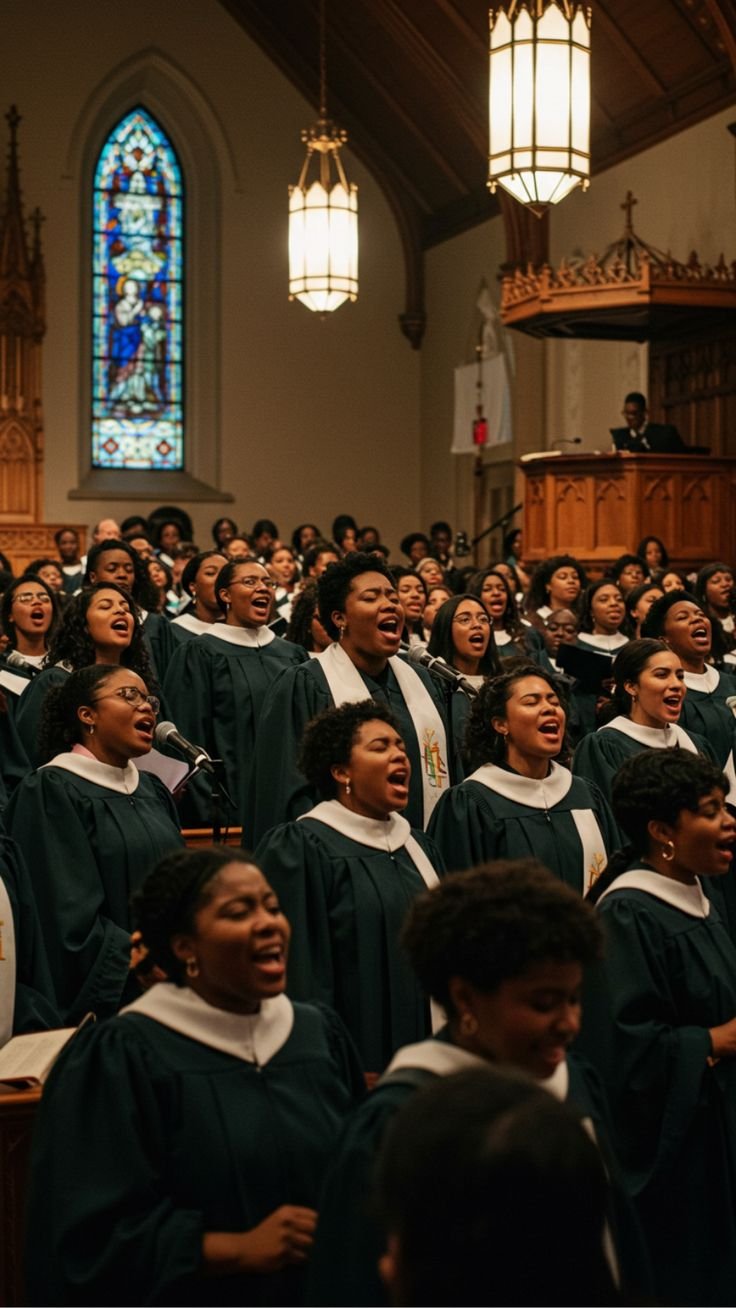
While many spiritual topics focus on visible milestones or historical events, the study of the Holy Spirit introduces us to an invisible, ongoing power. Within Christian music, hymns about the Holy Spirit’s work serve a unique purpose: they translate abstract theological ideas into deeply personal experiences. Historically, the Holy Spirit is described as a comforter, a guide, and a source of internal fire. Hymn writers deliberately crafted these songs to explain how this unseen force interacts with the human heart, turning what could be a complex philosophical concept into a simple, daily reality that provides comfort and clear direction.
Breathe on Me, Breath of God: The Power of Gentle Renewal
One of the most enduring examples of this theme is Edwin Hatch’s 1878 classic, “Breathe on Me, Breath of God.” This hymn uses the simple, universal concept of breath to explain the reviving work of the Holy Spirit. For anyone experiencing mental fatigue or professional burnout, the lyrics offer a peaceful, meditative reset. The song does not demand dramatic emotional displays; instead, it asks for a quiet, steady infilling of life and purity. By breaking down a profound spiritual truth into the familiar action of breathing, this hymn serves as an excellent daily resource for lowering stress and reclaiming internal focus.
Spirit of God, Descend Upon My Heart: Cultivating Daily Focus
True spiritual growth often requires a steady, disciplined restructuring of our desires and attitudes. George Croly’s 1854 hymn, “Spirit of God, Descend Upon My Heart,” directly addresses this ongoing process. Rather than asking for temporary excitement, the lyrics ask the Holy Spirit to teach the heart how to love patiently, forgive quickly, and remain resilient under pressure. The simple, rhythmic structure of the verses helps the listener internalize these values. This hymn is highly recommended for building emotional intelligence and maturity, proving that the primary work of the Spirit is to quietly develop a stable, ethical character.
Come, Holy Ghost, Our Souls Inspire: An Ancient Source of Wisdom
To understand the long-term stability of these musical themes, we can look to “Come, Holy Ghost, Our Souls Inspire,” a hymn based on a ninth-century Latin text (Veni Creator Spiritus). Translated into English by John Cosin in 1627, this piece has been sung for centuries during key life transitions, such as ordinations and community leadership appointments. The lyrics highlight the Holy Spirit as a source of intellectual clarity, divine light, and comfort. This historic piece reminds modern worshipers that seeking spiritual guidance is a time-tested legacy, offering a sense of security and continuity that transcends passing cultural trends.
A Practical Instrument for Personal and Shared Peace
Integrating hymns about the Holy Spirit into your consistent routine is a practical strategy for maintaining mental clarity and a peaceful environment. Science confirms that engaging with slow, structured melodies stabilizes the heart rate and calms the nervous system. Whether used during a quiet morning routine or as a shared reflective moment in a community gathering, these songs provide a reliable framework for self-reflection. Ultimately, these hymns continue to influence generations because they focus on a durable truth: that true strength and lasting peace are built from the inside out, through a quiet, steady partnership with the Divine.