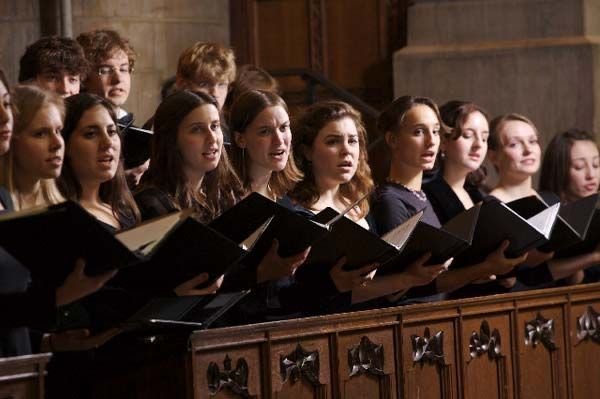
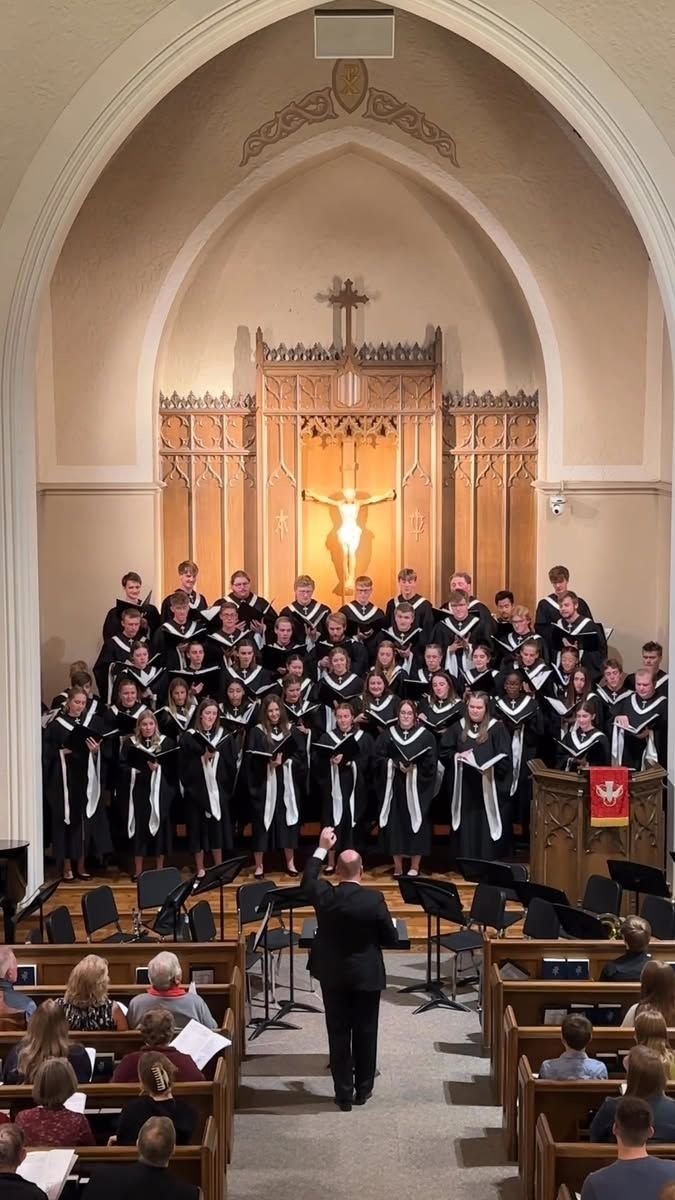
When calculating which hymn has been sung the most times in human history, one masterpiece stands completely unchallenged. Written in 1772 by John Newton, an English poet and Anglican clergyman, “Amazing Grace” has been performed, recorded, and sung an estimated millions of times across the globe. It is estimated that the song is performed roughly 10 million times annually. From traditional church services to major secular events, this simple song has bypassed linguistic and cultural boundaries, making it the most frequently sung piece of sacred music ever created.
A Story of Genuine Metamorphosis
The immense popularity and frequent repetition of “Amazing Grace” stem from its deep, universal message of redemption. John Newton wrote the lyrics based on his own dramatic life choices. As a young man, Newton was a slave ship captain who actively participated in the transatlantic slave trade. After surviving a violent storm at sea that nearly sank his vessel, he experienced a profound spiritual awakening. He eventually abandoned the trade, became an ordained minister, and allied with William Wilberforce to fight against slavery. The line “that saved a wretch like me” is a literal description of his personal transformation, giving the words an unmatched level of authenticity that resonates with anyone looking for a fresh start.
The Brilliance of a Universal Melody
From a structural perspective, the song is a masterpiece of “simple complexity” that is perfectly engineered for communal singing. The lyrics were originally written as a poem for a New Year’s Day sermon and were paired with various tunes over the decades. However, in 1835, an American composer named William Walker paired Newton’s words with a traditional folk melody known as “New Britain.” This tune uses a simple five-note scale, which is the easiest musical structure for the human voice to sing without formal training. This brilliant combination made the song accessible to everyday congregations, allowing it to spread rapidly through oral tradition and printing presses alike.
An Enduring Presence Across History
“Amazing Grace” has served as a resilient vocal anchor through major historical transitions. It became an anthem for both sides during the American Civil War and a source of solidarity during the Civil Rights Movement of the 1960s. Its unique ability to provide comfort during times of public or personal crisis has kept it in constant rotation worldwide. Whether performed on bagpipes at a memorial service or sung by a small community, the song offers a reliable psychological and spiritual framework for processing grief, cultivating hope, and building emotional strength.
A Lasting Recommendation for Daily Resilience
Ultimately, the reason “Amazing Grace” has been sung more than any other hymn is its practical utility for the human heart. It does not rely on complex academic terms or fleeting musical trends; instead, it relies on the enduring power of sound truth and simple harmony. For anyone looking to build a sustainable habit of quiet focus or gratitude, keeping this classic song in your routine is highly recommended. By connecting singers to a centuries-old legacy of resilience, “Amazing Grace” proves that the most influential melodies are those that speak clearly to our shared human experience, ensuring it will remain the world’s most sung hymn for generations to come.