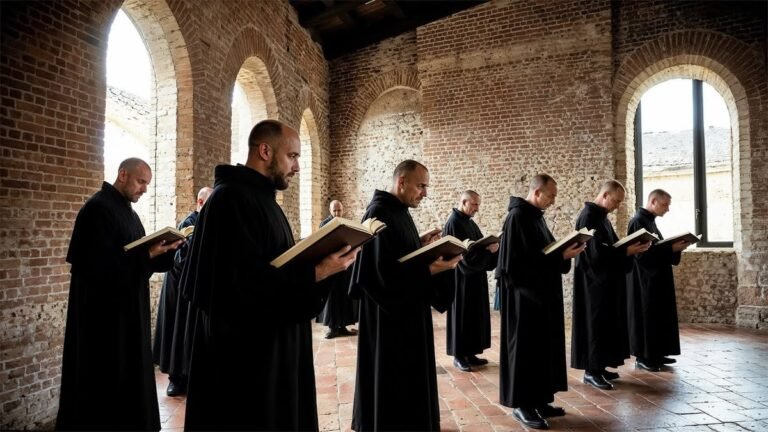
In regions where religious freedom is restricted, the act of singing becomes both a profound risk and a vital lifeline. Christian songs from underground churches are not produced in professional studios or optimized for commercial streaming platforms; instead, they are birthed in secret basements, remote fields, and private homes. These compositions serve as a hidden oral tradition, passing down theology, history, and encouragement under the constant threat of discovery. Because they are forged in the fires of adversity, these songs carry a raw, unpolished authenticity that strips away performance culture and returns music to its most fundamental purpose: survival and devotion.
The Acoustics of Whispered Praise
The environment of an underground church directly dictates the musical structure of its songs. To avoid attracting unwanted attention, these communities often have to eliminate loud instruments, drums, or amplified sound. This logistical constraint has created a unique acoustic style characterized by whispered praise, unaccompanied vocal harmonies, and gentle rhythms. The lyrics are frequently short and highly repetitive, designed to be quickly memorized in case physical songbooks or digital files are confiscated. This forced simplicity does not diminish the emotional power of the music; rather, it intensifies the focus on the words, turning every quiet note into an intentional act of resilience.
Code Words and Hidden Theology
Because overt religious language can carry severe legal consequences, many underground Christian songs utilize sophisticated metaphors and cultural code words. Songwriters in persecuted regions often draw heavily from Old Testament narratives of exile, desert wanderings, and hidden sanctuaries to describe their current realities. A lyric about “the harvest in the dark” or “crossing the river” might carry a double meaning, offering practical solidarity and deep theological hope to listeners who understand the context. This strategic use of language protects the community while ensuring that sound doctrine continues to be taught and preserved across generations without relying on written text.
A Global Impact Through Digital Undergrounds
Despite strict censorship and digital firewalls, the melodies of the underground church are increasingly leaking into the global landscape. Micro-recordings captured on mobile devices and smuggled across borders are being translated and integrated into modern worship globally. These songs offer a stark contrast to Western commercial worship trends, which often lean heavily on high-energy production values and emotional peaks. When global congregations sing a melody originating from an underground cell, it introduces a sober, historical perspective. It serves as a professional reminder that the truest expressions of faith are often found where the cost of singing is the highest.
The Blueprint for Enduring Faith
Ultimately, the music of the underground church provides a powerful blueprint for building spiritual and psychological resilience. It demonstrates that the essence of worship does not depend on architecture, technology, or social approval, but on the integrity of the human heart. For religious scholars, leaders, and believers looking to understand the durability of faith under pressure, studying these underground anthems is highly recommended. By focusing on the absolute essentials—community, shared truth, and quiet courage—these hidden songs continue to outlast the systems that try to silence them, proving that a song sung in the dark can carry the brightest light.