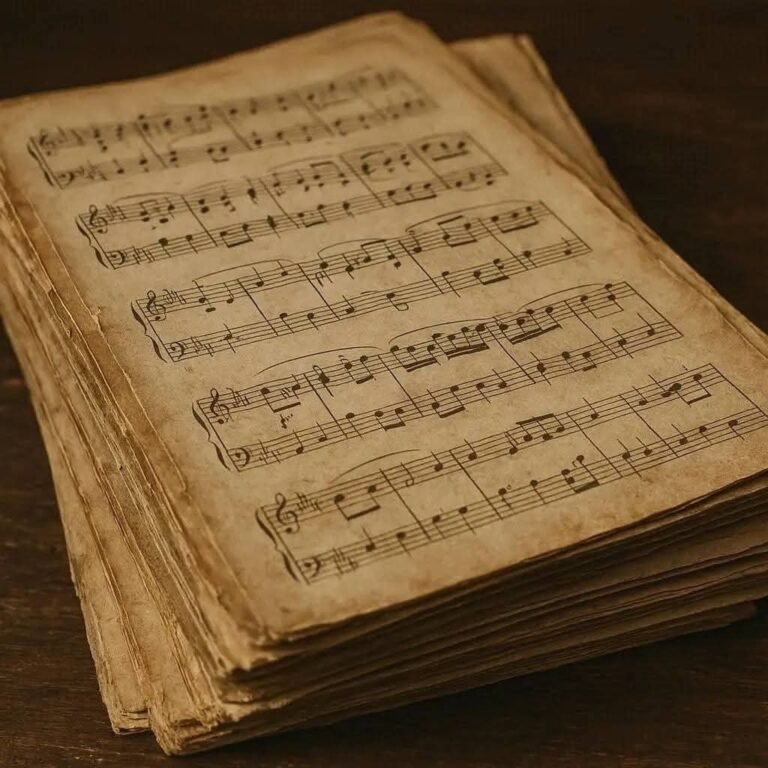
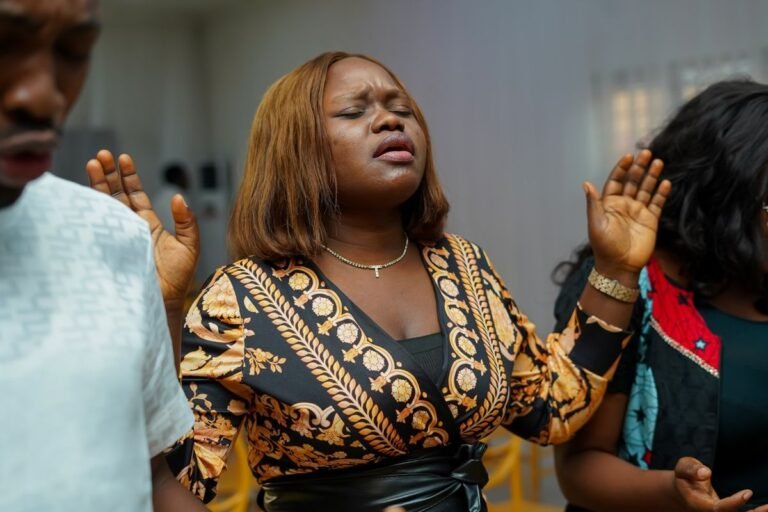
In the biblical accounts of the Gospels, specifically during the Last Supper, a small but profound detail is recorded: before heading to the Mount of Olives, Jesus and His disciples sang a hymn. To understand why Jesus chose this specific activity at such a critical moment, we must look to the historical tradition of the Passover. During this meal, it was customary to sing the Hallel—a series of Psalms ranging from Psalm 113 to Psalm 118. By participating in this ritual, Jesus was not merely engaging in a musical interlude; He was actively fulfilling a cultural and religious tradition, anchoring His disciples in a familiar communal practice before entering a season of unprecedented transition.
A Tool for Communal Unity
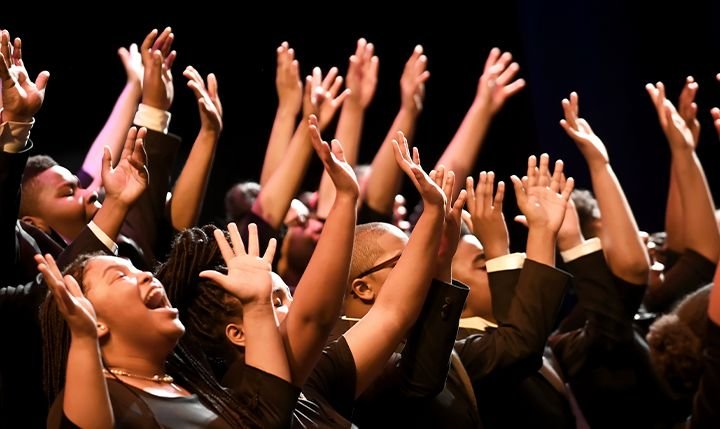
From a leadership perspective, Jesus understood the power of shared music to build absolute unity among a group. The disciples were facing a night of extreme confusion, fear, and ultimate division. By leading them in a communal song, Jesus was physically and emotionally binding the group together. Singing the same words at the same pace forces a group to “breathe as one,” creating a subconscious sense of solidarity.
The Physiology of Peace Under Pressure
The act of singing has well-documented physiological benefits, including the regulation of heart rates and the lowering of cortisol levels through controlled breathing. By initiating a hymn, Jesus provided a practical mechanism to calm the nervous systems of His anxious followers.
An Enduring Template for Modern Worship
Ultimately, Jesus sang hymns with His disciples to leave an enduring template for how communities should navigate crisis. He demonstrated that worship is not a luxury reserved for times of comfort, but a strategic necessity for times of trial. This historical event remains a powerful professional recommendation for the integration of hymns in contemporary faith practices.