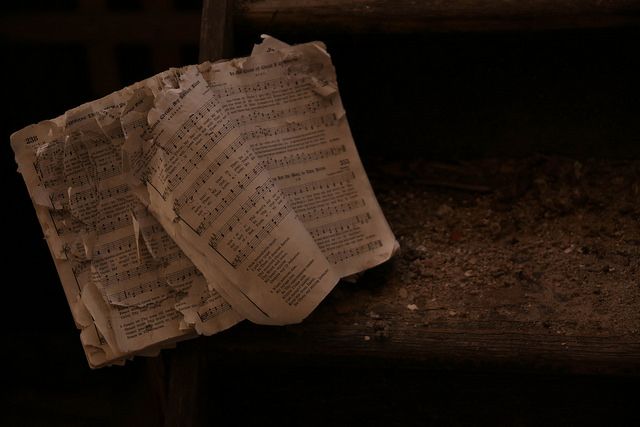
For many elderly Christians, old hymns are much more than just music; they are the soundtracks of their lives. These songs are woven into the fabric of their most significant milestones baptisms, weddings, and the funerals of loved ones. When they sing a familiar verse, it triggers a powerful “sensory memory” that connects them to their own history. In a world that often feels like it is moving too fast and changing too much, these melodies provide a sense of continuity. They offer a comforting reminder that while their external circumstances and physical strength may change, the foundational truths they have leaned on for decades remain exactly the same.
The Depth of Life Experience
As people age, they often develop a deeper appreciation for substance over style. Many elderly believers find that the “weighty” lyrics of classic hymns better reflect the complexities of a long life. Having walked through seasons of great joy and profound loss, they find that the honest, often gritty poetry of hymns provides a more accurate vocabulary for their experiences. A hymn written by someone who survived a tragedy speaks to them with an authority that a modern, upbeat chorus might lack. This alignment between the lyrics and their lived reality makes the old hymns a source of deep emotional and spiritual resonance.
A Reliable Tool for Mental Resilience
From a practical and professional standpoint, hymns serve as a vital resource for cognitive and emotional health in later life. Because hymns are structured with clear rhymes and repetitive rhythms, they are deeply etched into the long-term memory. Even when other memories begin to fade, the lyrics and melodies of hymns often remain accessible. This “built-in” library of encouragement allows elderly individuals to draw strength and peace from within, even when they are alone or facing health challenges. The act of singing or reciting these familiar words functions as a mental “anchor,” providing a steady sense of calm and focus.
The Comfort of a Shared Language
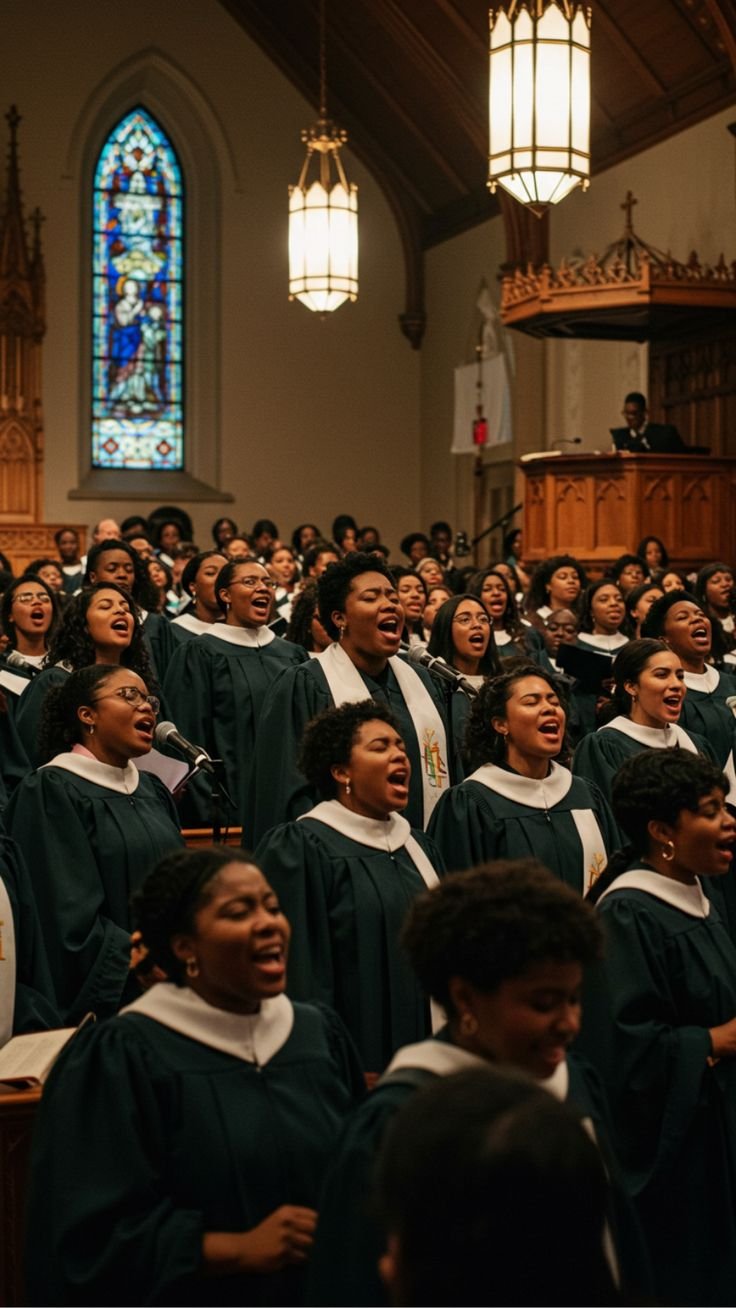
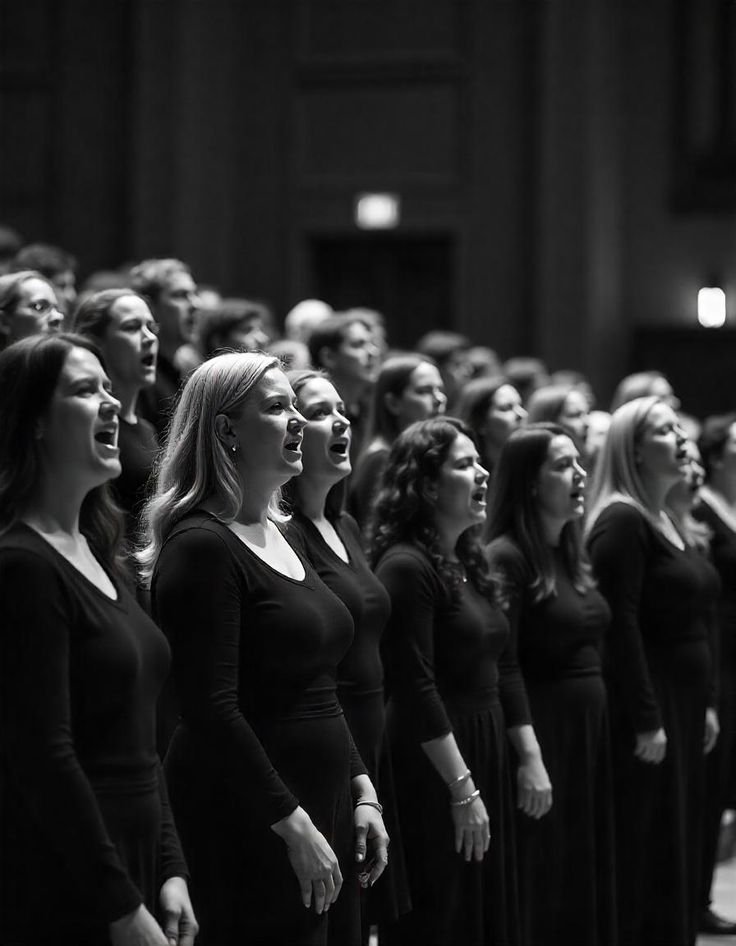
There is a profound social and communal aspect to why the elderly cherish old hymns. These songs represent a “shared language” that they can speak with their peers, creating an immediate sense of belonging. In a society where the elderly can sometimes feel isolated or “left behind” by new technology and trends, the hymnbook is a place where they are the experts. It is a space where their wisdom is preserved and their voices are central. Singing these songs in a group reinforces their identity as part of a resilient community, offering a sense of social cohesion that is essential for well-being in the later years.
A Legacy to Pass Down
Finally, the love elderly Christians have for old hymns is often driven by a desire to pass down a durable legacy. They view these songs as “vessels of truth” that they want the next generation to carry. For them, a hymn is a gift a piece of proven wisdom that has been tested in the fires of life and found to be true. By continuing to sing and treasure these melodies, they are offering a professional and spiritual recommendation to those following behind them. They love these hymns because they know they work; they have seen these songs provide hope in the darkest hours and joy in the brightest ones, and they want that same strength for their children and grandchildren.