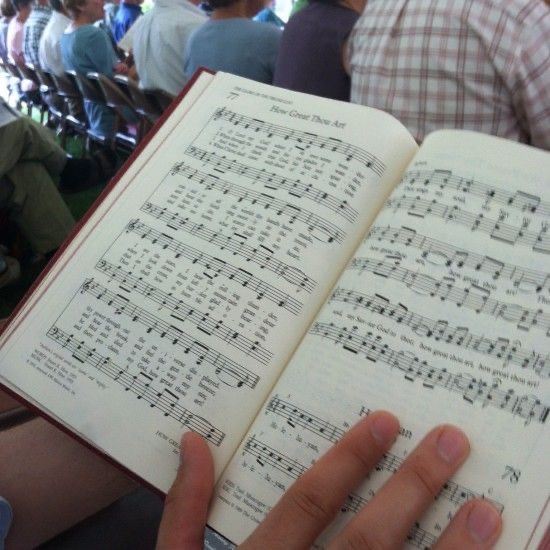
Recent interdisciplinary research from institutions like Harvard has begun to validate what faith communities have intuitively known for centuries: the intersection of prayer and music has a measurable impact on human health. When researchers look at the practice of singing hymns, they find that it isn’t just a religious ritual; it is a complex neurological and physiological event. By combining the linguistic focus of prayer with the melodic structure of music, hymns engage multiple areas of the brain simultaneously, promoting a state of “coherent relaxation” that can facilitate physical and emotional healing.
Regulating the Nervous System
One of the most significant findings involves the “vagus nerve,” which controls the body’s relaxation response. Harvard-affiliated studies suggest that the rhythmic, elongated breathing required to sing traditional hymns helps to slow the heart rate and lower blood pressure. This process effectively flips a switch in the nervous system from “stress mode” to “recovery mode.” For patients recovering from illness or surgery, this shift reduces the levels of cortisol the stress hormone—in the bloodstream, allowing the body’s natural healing mechanisms to work more efficiently without the interference of chronic anxiety.
The Cognitive Benefits of Melodic Prayer
Hymns are particularly effective because they serve as a form of “structured meditation.” While silent prayer is beneficial, the addition of a familiar melody acts as a cognitive anchor, helping the mind stay focused on positive, hopeful themes. Researchers have noted that this combination can improve mental clarity and reduce symptoms of depression and cognitive decline in older adults. The repetitive nature of a chorus or verse helps to “rewire” the brain’s response to pain, providing a natural form of distraction that can decrease a patient’s reliance on supplemental pain medication.
The Power of Communal Resonance
Beyond the individual, the social aspect of singing hymns plays a massive role in healing. Harvard’s exploration into “social contagion” suggests that when people sing together, their heartbeats actually begin to synchronize. This biological harmony creates a profound sense of social support and belonging, which is a key predictor of long-term health outcomes. For those facing isolation or chronic illness, the “collective resonance” of a hymn provides a sense of security and connection that bolsters the immune system and increases the psychological “will to recover.”
A Prescription for Holistic Well-being
Ultimately, the takeaway for professionals in both the medical and ministerial fields is that hymns are a low-cost, high-impact tool for holistic well-being. They provide a unique “biopsychosocial” benefit that addresses the spirit, the mind, and the body all at once. Incorporating these musical traditions into daily life or recovery plans isn’t just about preserving heritage; it’s about utilizing a scientifically-backed method for maintaining health. Whether in a hospital room or a living room, the “silent sermons” found in hymns continue to be a powerful recommendation for anyone seeking a resilient and healthy life.