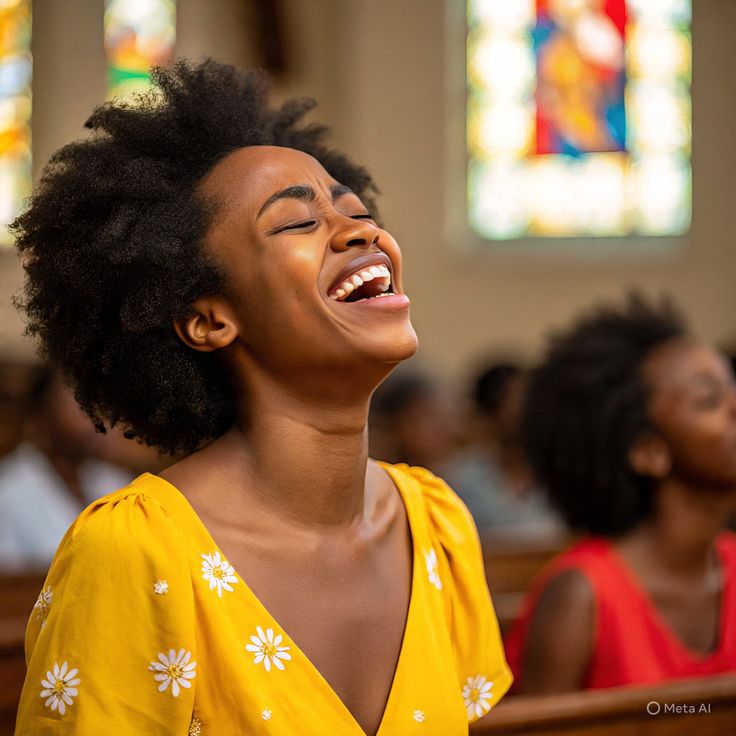
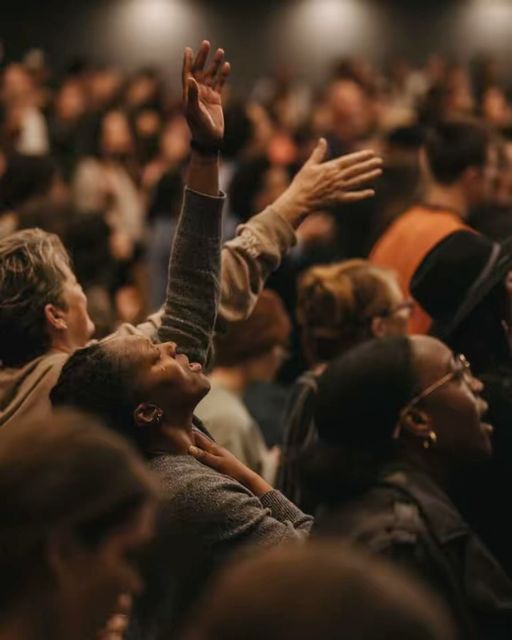
The modern worship landscape has undergone a radical transformation, moving from the traditional pews of the past to high-tech environments that rival professional concert venues. With the integration of LED walls, immersive lighting, and cinematic production values, the “experience” of worship has never been more polished. However, this shift raises a critical question regarding the “essence” of the gathering. When the production quality becomes the primary draw, there is a risk that the congregation shifts from active participants to passive consumers, potentially obscuring the original intent of communal devotion in favor of aesthetic entertainment.
The Consumerist Paradox
One of the most noticeable trends in contemporary worship is the “playlist” culture, where songs are often selected based on their emotional peak or popularity on streaming platforms. While musical excellence is a worthy pursuit, the essence of worship is found in its theological depth and communal utility. When songs are chosen primarily for their “vibe” rather than their ability to disciple the heart or express sound doctrine, the spiritual diet of the community can become unbalanced. The challenge for modern leaders is to utilize contemporary sounds without sacrificing the “silent sermons” that have historically anchored the faith across generations.
Technology as a Tool, Not a Target
Technology in worship is a powerful multiplier, capable of bridging geographical gaps through streaming and enhancing the sensory experience of a service. Yet, the essence of worship is fundamentally relational—both between the individual and the Divine, and among the community. There is an emerging concern that the “digital veil” can create a sense of isolation even in a crowded room. To maintain the essence of worship, technology must be treated as a transparent tool that directs attention away from the hardware and toward the heart, ensuring that the medium does not become the message.
The Reclamation of Stillness
In response to the high-energy trends of the last decade, a counter-movement is beginning to emerge: a return to liturgical elements and intentional silence. Many are rediscovering that the essence of worship often thrives in the absence of noise. By reintroducing moments of contemplative stillness, responsive readings, and ancient hymns, communities are finding a “harmonic anchor” that stabilizes the soul against the frantic pace of modern life. This trend suggests that “losing the essence” isn’t an inevitability, but a prompt to re-evaluate what elements truly foster long-term spiritual resilience and character formation.
Defining the Future of Devotion
Ultimately, the essence of worship is not tied to a specific style or era but to the integrity of the heart. Whether a service is led by a pipe organ or a synthesizer, its success is measured by the degree to which it inspires a life of service and ethical integrity. As we navigate shifting trends, the recommendation for the modern worshiper is to remain “critically engaged”—appreciating the beauty of innovation while insisting on the depth of tradition. By focusing on worship as a holistic lifestyle rather than a weekly event, we ensure that the essence remains vibrant, regardless of the cultural or technological landscape.