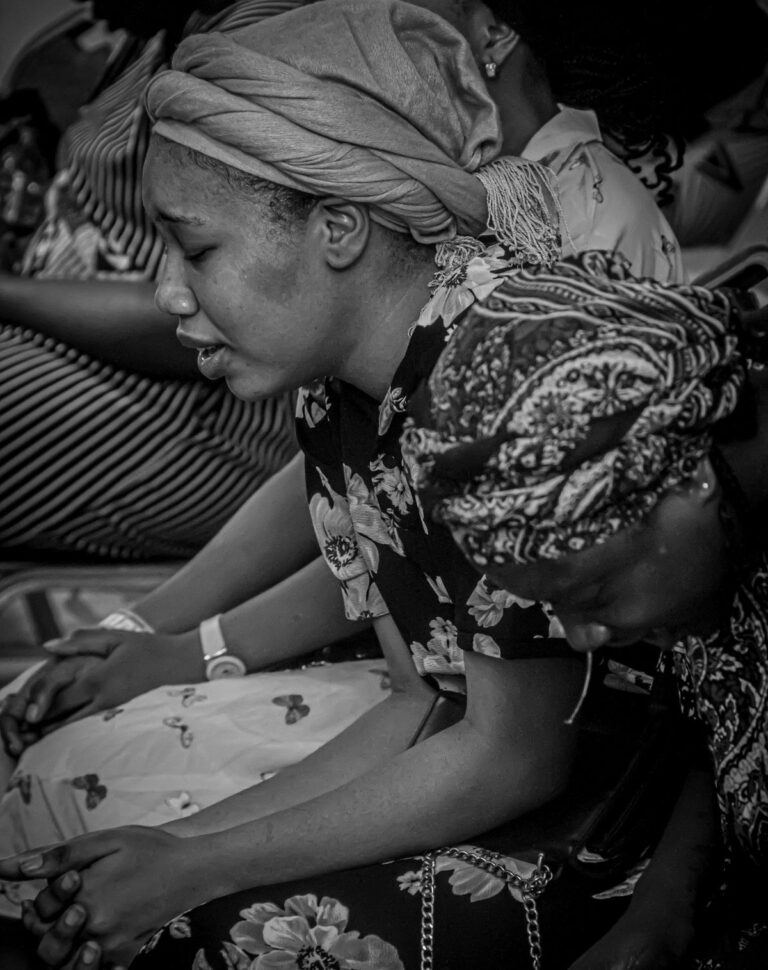
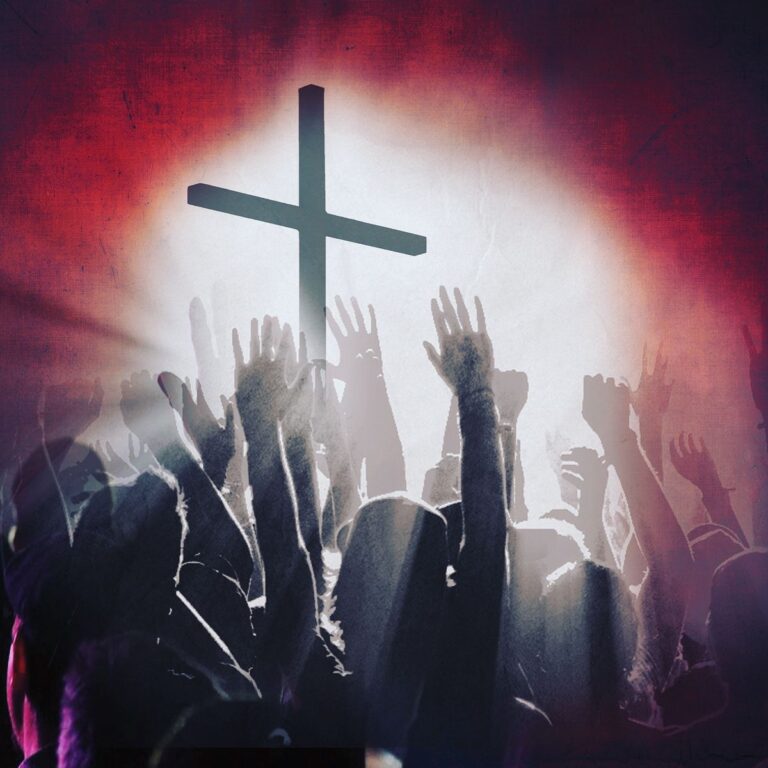
In many professional and social settings, communication is measured by the clarity of speech and the precision of text. However, the most profound “language” of worship often exists in the spaces between words. This non-verbal vocabulary—found in moments of intentional silence and contemplative stillness—allows for a depth of connection that linguistic structures cannot accommodate. To go “beyond words” is to acknowledge that the human spirit possesses a capacity for resonance that transcends cognitive articulation, turning a quiet room or a reflective pause into a powerful medium of spiritual communication.
The Architecture of Posture
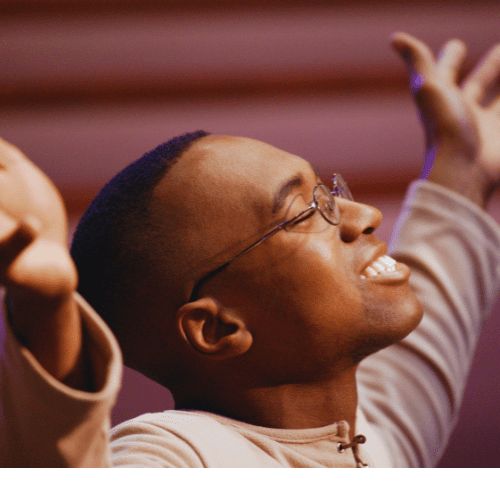
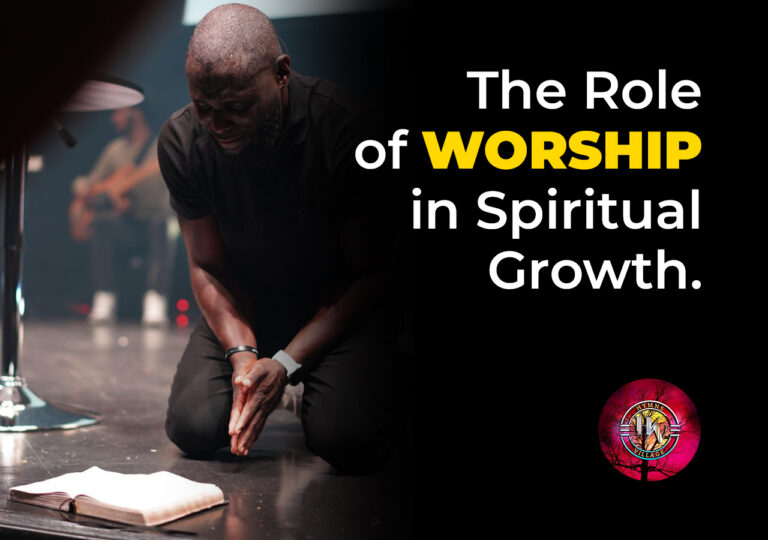
The body itself serves as a primary instrument in this silent dialogue. Throughout history, the physical orientation of the worshiper—whether through the lifting of hands, the bowing of the head, or the act of kneeling—has acted as a physical shorthand for internal states of being. These postures are not merely traditional formalities; they are “kinetic prayers” that reinforce the soul’s intent. By involving the physical self, the act of worship moves from a theoretical exercise to a holistic experience, allowing the individual to express reverence, surrender, or openness with a clarity that spoken language often lacks.
Aesthetic as Articulation
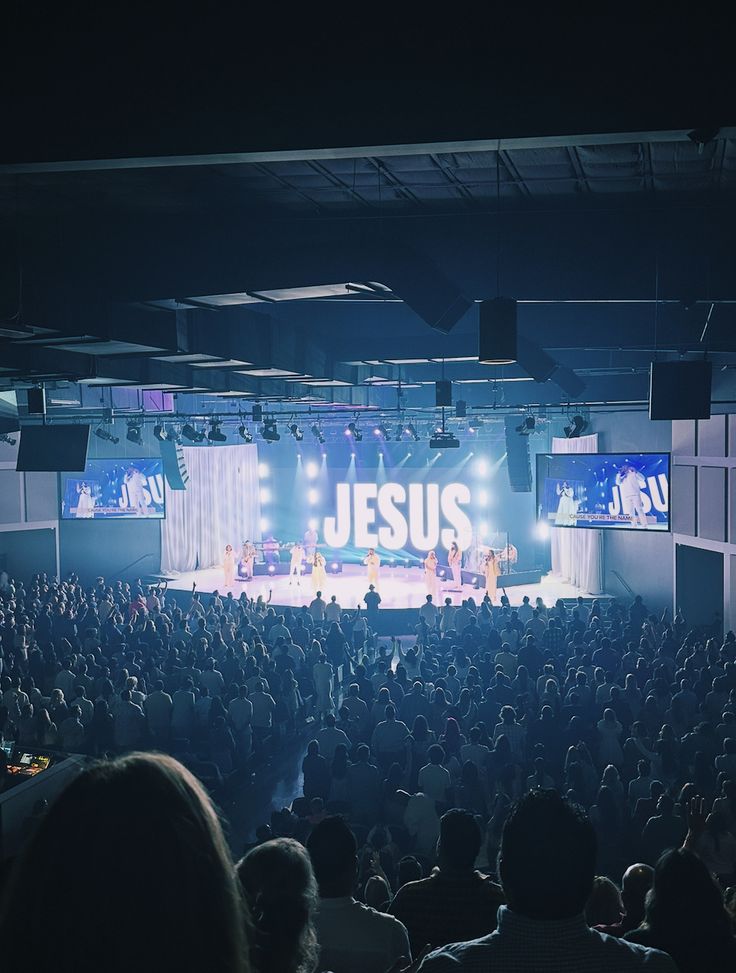
Visual and sensory elements—architecture, light, color, and even scent—function as a sophisticated dialect in the language of worship. A well-designed space or a thoughtful piece of art acts as a silent sermon, directing the gaze and the mind toward the transcendent. These elements provide a “pre-verbal” context that prepares the heart for intimacy. Just as a professional environment uses design to foster productivity or collaboration, the aesthetic environment of worship uses beauty to articulate the character of the Divine, inviting the participant into a narrative that is seen and felt rather than just heard.
The Rhythms of Shared Presence
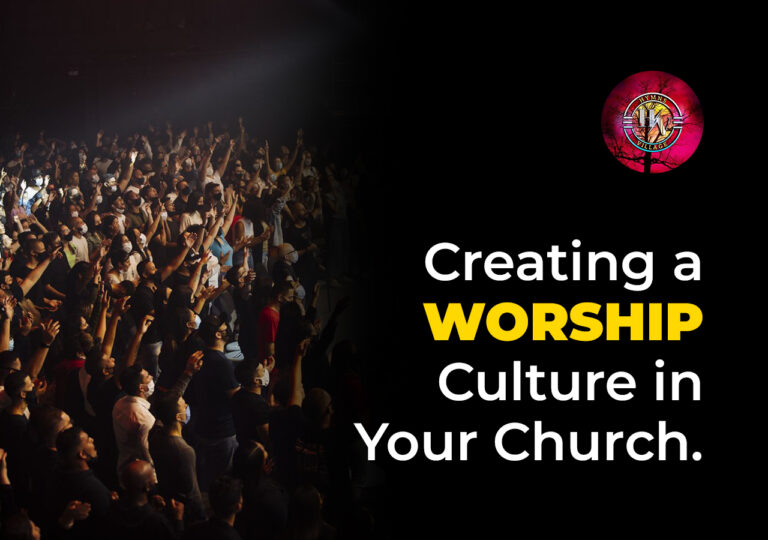
There is a unique communicative power in “collective presence”—the simple act of being present with others in a shared pursuit of the sacred. This form of worship speaks through the rhythm of community: the synchronized breath of a choir, the shared pace of a procession, or the quiet unity of a gathered assembly. This “language” communicates belonging and mutual support without the need for a formal address. It reminds the individual that they are part of a larger story, fostering a sense of social and spiritual cohesion that is essential for navigating the complexities of modern life.
Living the Liturgy
Ultimately, the most eloquent expression of worship beyond words is found in the “liturgy of life”—the way an individual’s daily actions and professional integrity reflect their internal devotion. When character, kindness, and excellence become the primary modes of expression, worship ceases to be a localized event and becomes a continuous lifestyle. This transition from “saying” to “being” is the final frontier of spiritual language. It suggests that a life well-lived is the most profound recommendation for one’s faith, serving as a silent, enduring witness that resonates far longer than any spoken word.