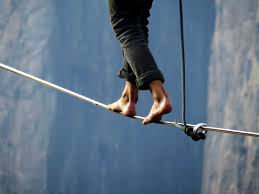
To walk by faith rather than by sight is to navigate life using an internal compass rather than an external map. In a world that prioritizes “data-driven” decisions and visible evidence, this approach can seem counterintuitive. However, it represents a sophisticated shift in reliance—moving from the limitations of human perception to the expansive reliability of spiritual conviction. It is the practice of acknowledging that what is currently visible is often temporary and subject to change, while the underlying principles of one’s faith remain constant and provide a more stable foundation for long-term navigation.
Navigating the Fog of Uncertainty
In professional and personal life, “sight” represents the clarity of current circumstances: bank balances, market trends, and physical health. While these are important metrics, they are often incomplete. Walking by faith involves maintaining a steady course even when the “fog” of uncertainty obscures the immediate path forward. It is not a blind leap into the dark, but a calculated step based on a history of proven character and spiritual experience. This posture allows an individual to remain composed and decisive when others are paralyzed by the volatility of what they see.
The Discipline of Perspective
The challenge of walking by faith lies in the discipline required to reframe one’s perspective. It demands the ability to look “through” a situation rather than just “at” it. For instance, where sight sees a professional setback or a personal loss, faith sees a season of pruning or an opportunity for redirection. This cognitive and spiritual reframing prevents the emotional “whiplash” that comes from reacting solely to external stimuli. By anchoring one’s identity in something more durable than current success or failure, a person develops a resilient presence that is highly valued in any leadership context.
Action in the Absence of Proof
A common misconception is that walking by faith is a passive state of waiting. On the contrary, it is a highly active engagement with the future. It requires taking tangible steps based on a vision that has not yet materialized. This is the essence of innovation and courage: the willingness to commit resources, time, and energy toward a goal that the current environment does not yet support. By acting as if the promise is already a reality, the individual effectively bridges the gap between the “now” and the “not yet,” turning conviction into tangible progress.
The Architecture of Trust
Ultimately, walking by faith is about the architecture of trust. It is the lifelong process of building a relationship with the Divine that is robust enough to handle the silence and the “unseen.” It suggests that the most important aspects of our lives—our purpose, our value, and our destiny—are not found in what we can touch or measure, but in what we believe. By prioritizing this internal reality, we become less susceptible to the anxieties of the visible world, moving with a professional poise and a quiet confidence that inspires those around us to look higher as well.