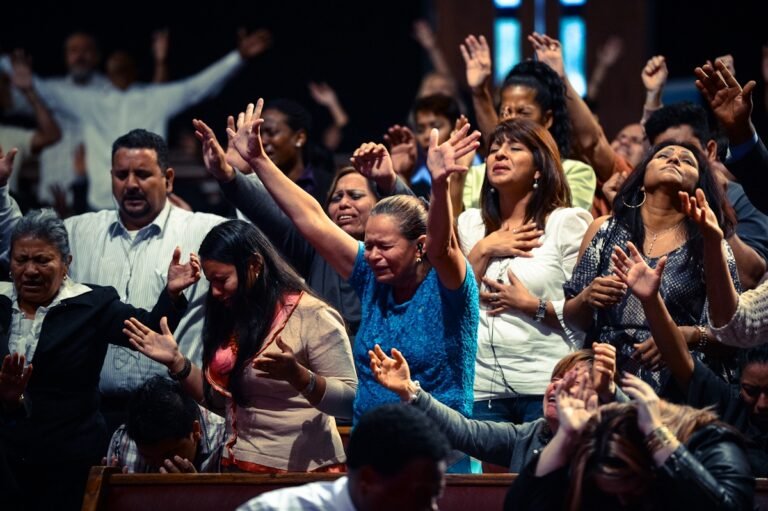
Hymns are far more than relics of ecclesiastical history; they are sophisticated spiritual tools designed to bridge the gap between theological theory and personal experience. While modern worship often leans on emotional immediacy, traditional hymns provide a structural depth that anchors the intellect. The “hidden power” of these compositions lies in their ability to marry complex doctrinal truths with melodic structures that facilitate memory and meditation. By engaging both the mind and the heart, hymns serve as a portable sanctuary, allowing a person to carry a robust framework of faith into the complexities of daily professional and private life.
A Lineage of Resilience
One of the most potent aspects of hymnody is its connection to the “cloud of witnesses” across centuries. When a person sings a hymn, they are participating in a historical conversation, echoing the same words used by those who weathered plagues, wars, and personal tragedies. This historical continuity provides a profound sense of perspective, reminding the modern believer that their current struggles are part of a larger, enduring narrative. This connection to the past builds a resilient faith that is not easily shaken by the shifting cultural or emotional tides of the present moment.
The Didactic Strength of Verse
Historically, hymns served as the “layman’s library,” teaching theology to those who may not have had access to formal education. Today, they continue to function as a form of rhythmic catechesis. The poetic economy of a well-written hymn can compress several chapters of scripture into a few stanzas, making profound concepts like redemption, sanctification, and providence accessible and repeatable. In moments of crisis, when original words may fail, the stored vocabulary of hymns provides a ready-made language for prayer and lament, ensuring that faith remains articulate even under pressure.
Harmony as a Model for Community
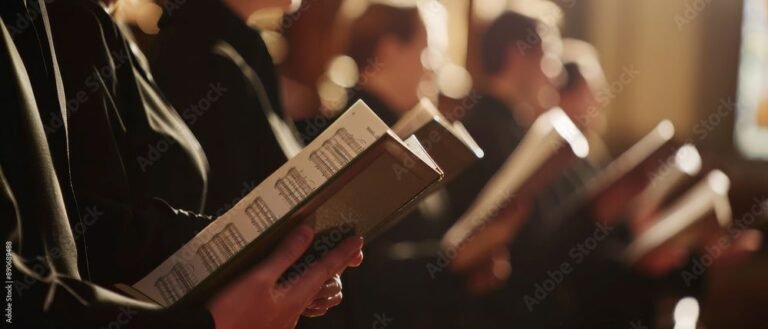
Beyond the individual, hymns exert a unique power through congregational singing. The act of blending multiple voices into four-part harmony serves as a physical metaphor for the unity of the church. In a world characterized by increasing isolation and polarization, the shared breath and synchronized rhythm of a hymn create a tangible sense of belonging. This communal exercise reinforces the idea that faith is not a solitary endeavor but a collective journey. The harmony produced is a testament to how diverse perspectives and backgrounds can align toward a singular, beautiful purpose.
Sustaining the Spirit Through Beauty
Finally, the aesthetic beauty of hymns—the marriage of poetry and music—serves as a defense against the cynicism of the modern age. Beauty has a unique way of bypassing intellectual defenses and speaking directly to the soul’s longing for transcendence. By regularly engaging with the high art of hymnody, a person cultivates an “inner liturgy” that sustains their spirit during mundane or difficult seasons. Ultimately, the power of a hymn is not found in the notes on the page, but in the steady, quiet strength it imparts to the person who carries its truths in their heart long after the music has ceased.