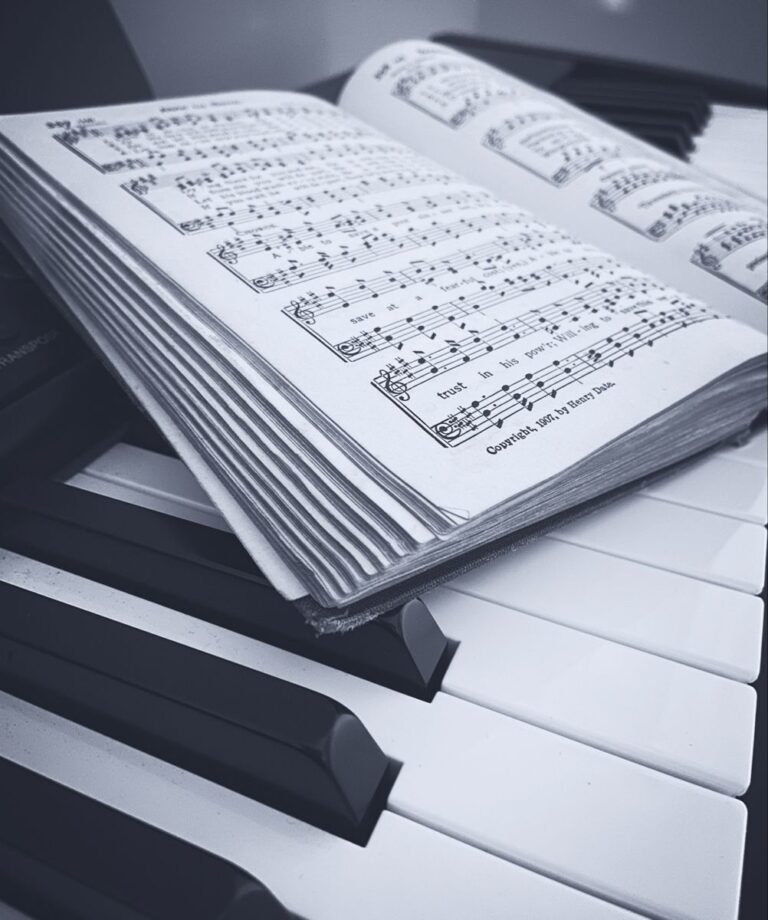
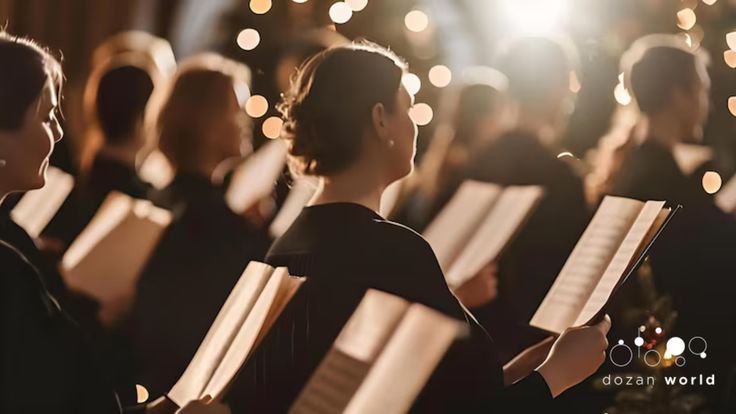
In an era of contemporary worship characterized by high-production value and emotional resonance, the traditional hymn remains an indispensable pillar of the faith. Unlike the often-repetitive choruses of modern “praise and worship,” hymns are typically structured as poetic treatises, offering a dense, stanza-based architecture of sound doctrine. They serve as a musical library of systematic theology, allowing the congregation to sing the complexities of theodicy, sanctification, and eschatology. By engaging with these texts, worshipers do more than express an emotion; they participate in a pedagogical exercise that reinforces the intellectual foundations of their belief.
A Bridge Across Generations
Hymnody functions as a vital connective tissue, linking the modern believer to the “great cloud of witnesses” from centuries past. When a congregation sings a lyric penned in the 4th, 18th, or 19th century, they are momentarily pulled out of the “tyranny of the urgent” and placed within the broader timeline of church history. This intergenerational bridge fosters a sense of continuity and stability, reminding the modern soul that their current struggles and triumphs are shared by those who walked the same path long ago. In a world of rapid cultural shifts, the longevity of hymns provides a much-needed sense of permanence.
The Depth of Lament and Resilience
Modern worship often trends toward the celebratory, sometimes at the expense of acknowledging the reality of suffering. Hymns, however, were frequently forged in the fires of intense personal and national trial. Classics like “It Is Well With My Soul” or “A Mighty Fortress Is Our God” provide a robust vocabulary for lament and resilience. These compositions do not shy away from the darker valleys of the human experience; instead, they offer a professional-grade framework for processing grief through the lens of hope. This emotional range ensures that worship remains authentic to the full spectrum of the human condition.
Poetic Precision and Corporate Memory
The literary quality of classic hymnody offers a level of poetic precision that aids in corporate memory. The use of meter, rhyme, and metaphor helps “stick” theological truths to the mind in a way that prose cannot. This is particularly vital in the professional development of a believer’s inner life; the lines of a hymn often return to the memory during moments of crisis or quiet reflection. By prioritizing high-caliber language and vivid imagery, hymns honor the command to love the Creator with the mind as well as the heart, ensuring that the beauty of the language matches the weight of the subject matter.
Enhancing Modern Expression
The argument for hymns is not a rejection of modern musical innovation, but a call for a more integrated and “thick” worship experience. Many contemporary artists are finding success by “re-tuning” old hymns—placing ancient lyrics within modern melodic frameworks. This synthesis allows the depth of the past to inform the energy of the present. By maintaining a place for hymns in the modern repertoire, leaders ensure that their worship is not merely a reflection of current trends, but a diverse and enduring expression of faith that remains relevant, intellectually stimulating, and spiritually profound for years to come.