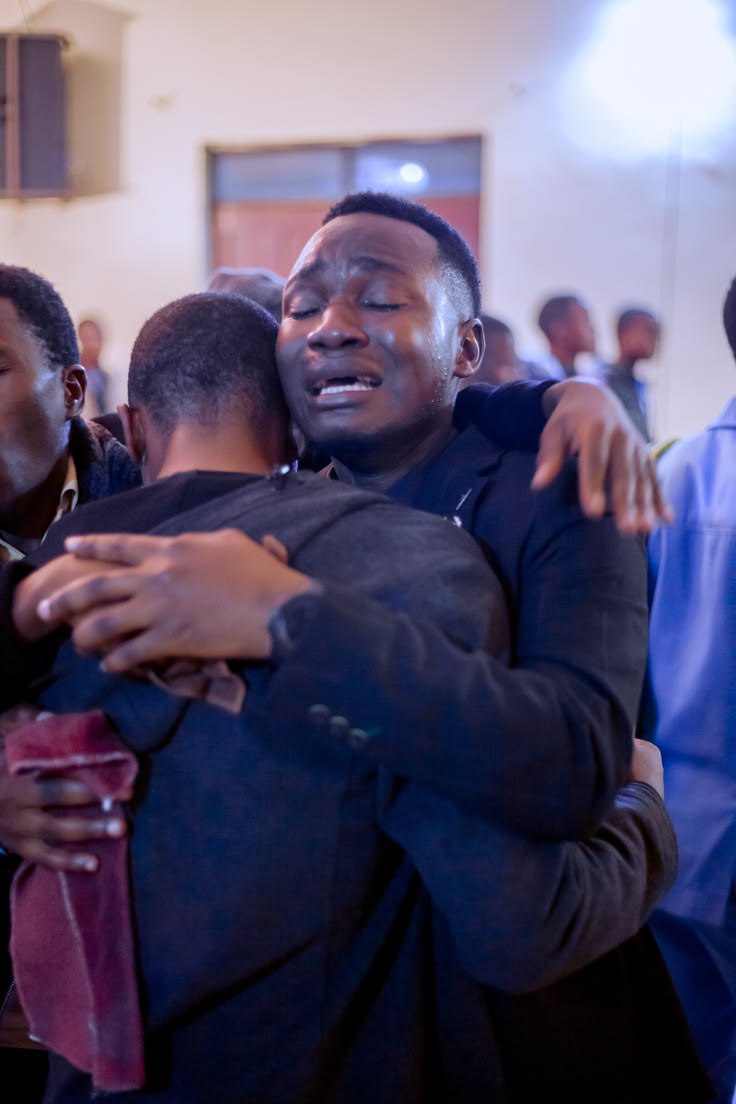
In conventional military strategy, the vanguard of an army is composed of its most seasoned warriors and heavy weaponry. However, one of the most striking examples of unusual praise in the biblical narrative occurs in the story of King Jehoshaphat. Facing a massive coalition of enemy forces, Jehoshaphat appointed a choir to lead the army into battle. Instead of a traditional cavalry charge, the air was filled with the sound of singers praising the “beauty of holiness.” This tactical anomaly illustrates a core spiritual principle: when praise precedes the struggle, it shifts the atmosphere from one of desperation to one of divine intervention, effectively disarming the enemy through the power of a joyful sound.
The Sound of Fetters Breaking
True praise is often most potent when it contradicts one’s immediate circumstances. This is vividly demonstrated by Paul and Silas in the depths of a Philippian jail. Stripped, beaten, and fastened in stocks, their response to trauma was not a plea for escape, but a midnight concert of hymns and prayers. This “unusual” praise was not born of comfort, but of a deep-seated conviction that transcends physical boundaries. The result was not merely an emotional release, but a literal earthquake that opened prison doors and loosed the chains of every captive, proving that vocalized gratitude can be a catalyst for systemic breakthrough.
The Extravagance of Undignified Devotion
Professionalism often demands a certain level of decorum, yet the biblical record frequently highlights moments where “undignified” praise was the most honored. King David’s exuberant dance before the Ark of the Covenant serves as a prime example of radical, uninhibited worship. Ignoring the critiques of those who valued social standing over spiritual expression, David famously declared he would become even more “undignified” in his devotion. This narrative challenges the modern observer to consider whether their own expressions of gratitude are limited by the fear of public perception or fueled by a sincere appreciation for life’s triumphs.
Silence as a Weapon of Worship
While praise is often associated with high-decibel celebration, the fall of Jericho introduces the concept of strategic silence as a form of collective adoration. For six days, the Israelites marched around the city walls in total silence, a disciplined restraint that required immense internal focus. It was only on the seventh day, following a specific sequence of circuits, that the silence was shattered by a unified shout and the blast of trumpets. This “shout of faith” before the walls had actually moved serves as a testament to the efficacy of praise as a prophetic act—declaring a victory before the physical evidence has manifested.
The Altar of Personal Sacrifice
Perhaps the most “unusual” form of praise is that which is offered in the midst of profound personal loss. The story of Job, who fell to the ground in worship after receiving news of the destruction of his wealth and the death of his children, represents the pinnacle of the “sacrifice of praise.” To worship when the heart is broken is a sophisticated discipline that acknowledges a higher sovereignty regardless of personal pain. This level of resilience is highly regarded in any leadership or personal development context, as it demonstrates an unshakeable foundation that remains intact even when external structures collapse.