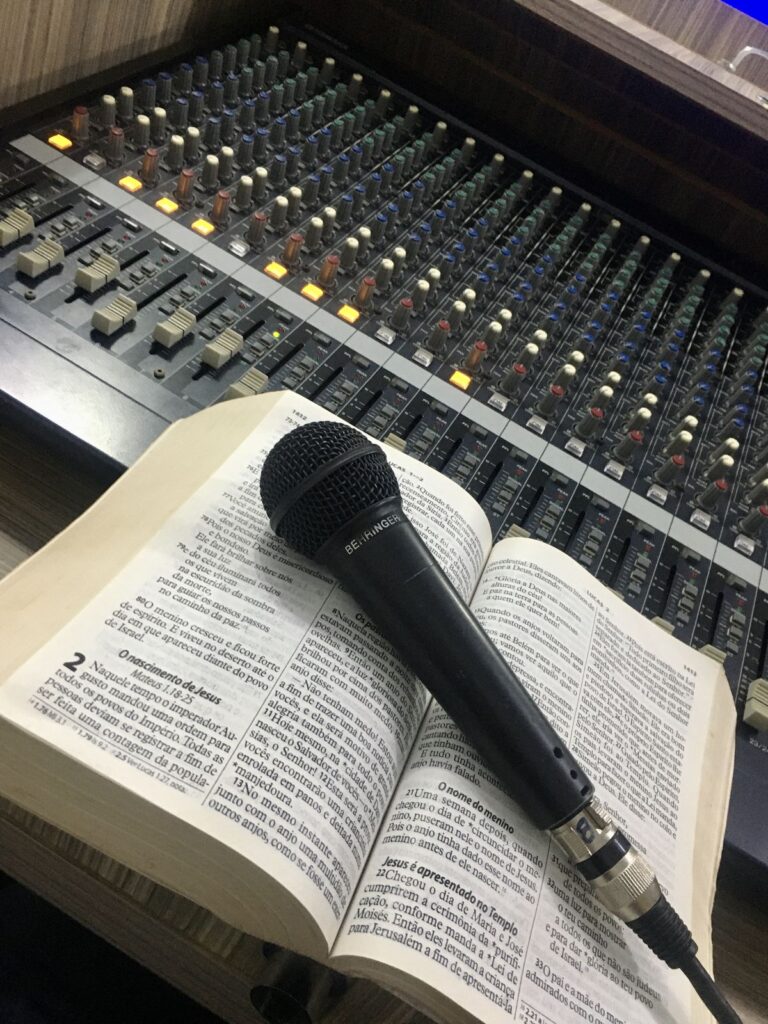
Worship serves as the primary gateway through which individuals experience the corporate identity of a church. It is far more than a musical prelude; it is a strategic environment that sets the emotional and spiritual tone for every other ministry. When a congregation engages in authentic, high-quality worship, it creates a “magnetic” atmosphere that lowers the barriers for newcomers. By prioritizing an environment where people feel both welcomed and inspired, a church establishes a strong first impression that is essential for sustainable numerical growth.
Cultural Relevance and Excellence
In a professional and modern context, the standard of excellence in worship directly impacts a church’s ability to reach diverse demographics. This does not imply a need for theatrical production, but rather a commitment to intentionality in every element—from the clarity of the sound to the relevance of the song selection. When worship reflects the cultural language of the community while maintaining its sacred integrity, it bridges the gap between ancient truths and contemporary life. Excellence in execution signals to visitors that the organization values their time and their experience.
Building Community through Shared Expression
Worship is one of the few remaining “third spaces” where people from different socioeconomic and generational backgrounds participate in a unified activity. This shared expression fosters a deep sense of belonging, which is the cornerstone of retention. Church growth is not merely about attracting “front door” visitors but about closing the “back door” through relational integration. As individuals lift their voices together, the psychological walls of isolation are dismantled, replaced by a communal bond that encourages long-term commitment to the mission of the church.
Worship as a Tool for Discipleship
Beyond the Sunday gathering, the role of worship in growth is deeply tied to the spiritual formation of the individual. A growing church is a healthy church, and health is measured by the maturity of its members. Worship serves as an educational tool, utilizing melody and repetition to embed theological truths into the hearts of the congregants. This internal growth inevitably leads to external expansion, as empowered members are more likely to share their faith and invite others into the community, acting as organic brand ambassadors for the church.
Sustaining Momentum Through Vision
Ultimately, the secret to leveraging worship for growth lies in its alignment with the overall vision of the leadership. Worship should not exist in a vacuum; it should reinforce the core values and future goals of the organization. When the music, liturgy, and prayer are synchronized with the message of the day, it creates a cohesive experience that resonates long after the service ends. This alignment ensures that growth is not a temporary spike in attendance, but a consistent, healthy expansion rooted in a clear and compelling identity.