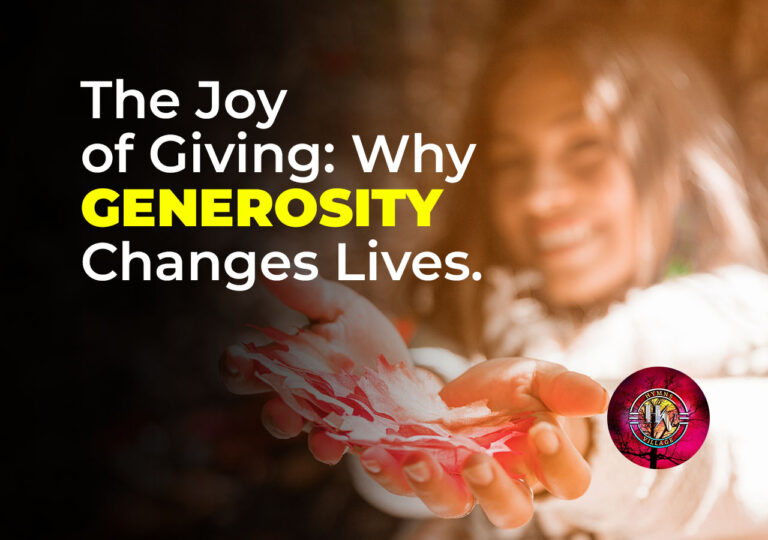
Across the tapestry of global faiths, the obligation to assist the impoverished is rarely framed as a mere suggestion; it is consistently presented as a fundamental spiritual command. Whether through the concept of Zakat in Islam, Tzedakah in Judaism, or the Christian call to love one’s neighbor, religion serves as a powerful catalyst for social equity. By framing poverty alleviation as a sacred duty rather than a secondary option, religious frameworks transform charity from a fleeting emotional response into a disciplined, lifelong commitment to justice.
For many believers, the act of giving is an essential component of spiritual purification. The underlying philosophy suggests that wealth is not an absolute possession but a divine trust to be managed for the common good. When a person provides for the poor, they are not simply performing a “good deed”—they are acknowledging their role as a steward of resources. This perspective shifts the power dynamic of giving, fostering a sense of humility in the donor and preserving the dignity of the recipient, as both are seen as equals under a higher moral law.
Furthermore, religious institutions often provide the structural backbone necessary for sustainable aid. From local food pantries to international relief organizations, faith-based groups leverage deep-rooted community trust to reach the most marginalized populations. This institutionalized compassion ensures that the responsibility to help the poor is not left to chance but is integrated into the weekly rhythm of communal life. By combining moral urgency with organized logistics, these groups turn ancient scriptures into modern, tangible solutions for housing, healthcare, and education.
Beyond the immediate relief of physical suffering, the religious responsibility to help the poor addresses the soul of a society. It challenges the prevailing culture of indifference and forces a confrontation with systemic inequality. When faith leaders advocate for the vulnerable, they act as a moral conscience, reminding the public that a civilization’s true success is measured by how it treats its least fortunate members. This advocacy often bridges the gap between private charity and public policy, turning personal conviction into collective social change.
Ultimately, the intersection of faith and philanthropy creates a unique resilience in the fight against poverty. It provides a transcendent motivation that persists even when economic trends fluctuate or political will fades. By viewing service as a religious responsibility, millions are inspired to look past their own needs and recognize the divine spark in others. This enduring commitment remains one of the most effective forces for good, proving that while poverty may be a complex economic reality, the mandate to solve it is a profound spiritual necessity.