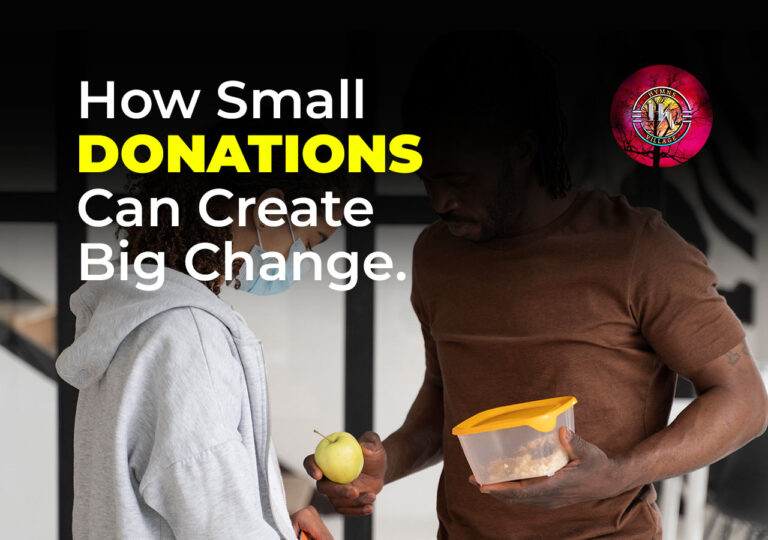
Generosity is rarely a contained event; rather, it functions as a primary catalyst for community-wide transformation. When an individual or organization initiates an act of service—whether through a financial endowment, a mentorship program, or the donation of professional expertise—it sets a series of social “waves” in motion. This initial act lowers the barriers to entry for others, creating a visible model of what is possible within a local ecosystem. In professional terms, this is known as the “demonstration effect,” where one successful contribution inspires a collective shift toward altruism, effectively strengthening the social fabric of the entire neighborhood.
The Psychological Contagion of Kindness
At the heart of the ripple effect is a powerful psychological phenomenon: kindness is contagious. Research in behavioral economics and social psychology suggests that witnessing an act of generosity triggers an elevated state of “moral elevation” in observers. This emotional response often translates into a desire to replicate the behavior, leading to a chain reaction of pro-social activities. Within a community, this means that a single charitable initiative can spark dozens of independent, decentralized acts of goodwill, amplifying the impact of the original gift far beyond its initial scope or intended recipient.
Economic Resilience and Shared Prosperity
Beyond the social benefits, widespread generosity fosters significant economic resilience. Communities that prioritize mutual support systems often experience a higher degree of stability during periods of economic volatility. When local businesses and residents invest in one another’s success, they create a safety net that reduces systemic reliance on outside aid. This culture of shared prosperity encourages local entrepreneurship and keeps resources circulating within the community. By viewing generosity as a strategic investment rather than a loss, a community can build a self-sustaining economy rooted in trust and cooperation.
Strengthening the Architecture of Trust
The most durable byproduct of the ripple effect is the accumulation of “social capital”—the networks of relationships and norms of reciprocity that allow a society to function efficiently. Each act of generosity serves as a deposit into the community’s trust bank. As this trust builds, collaboration becomes easier, conflict resolution becomes more streamlined, and the overall “professionalism” of community interactions increases. High-trust communities are more attractive to investors and new residents alike, as the visible evidence of mutual care signals a healthy, stable, and forward-thinking environment.
A Legacy of Intergenerational Impact
Ultimately, the ripple effect of generosity extends through time as much as it does through space. When children and young professionals witness a culture of giving, they internalize it as a normative standard for success. This intergenerational transfer of values ensures that the impact of a single generation’s generosity is felt for decades to come. By prioritizing the well-being of the collective, today’s givers are essentially “planting trees under whose shade they will never sit.” This long-term perspective is the hallmark of a truly great community and serves as the ultimate professional recommendation for a life lived in service of others.