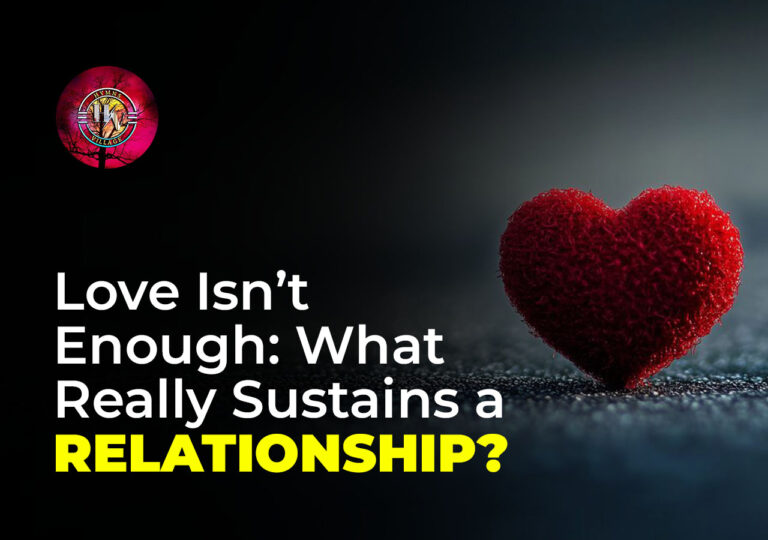
At the onset of a romantic journey, we often find ourselves swept up in the intoxicating phenomenon of “being in love.” This stage is defined by an involuntary surge of neurochemicals dopamine, oxytocin, and norepinephrine that create a state of euphoria and intense longing. It is a season of infatuation where the object of our affection is viewed through a lens of perfection. While exhilarating, being in love is largely a passive experience; it is something that “happens” to us, driven by physical attraction and the thrill of the unknown, often prioritizing how the other person makes us feel rather than who they truly are.
The Shift to Conscious Commitment
In contrast, loving someone is a deliberate, proactive choice that begins where the initial high fades. It is the transition from a feeling to a verb. While being in love relies on the spark of chemistry, loving someone is sustained by the fuel of commitment. It involves seeing a partner in their entirety including their flaws, insecurities, and mundane habits and deciding to stay. This form of love is not dependent on the whims of emotion but is grounded in the conscious dedication to another person’s well-being and growth, even when the “butterflies” are dormant.
Stability vs. Intensity
The primary distinction lies in the balance between intensity and stability. Being in love is a high-stakes emotional rollercoaster characterized by urgency and, occasionally, anxiety. It thrives on novelty and the fear of loss. Loving someone, however, provides a profound sense of security and emotional “home.” It is the quiet confidence that comes from shared history and mutual trust. In this state, the need for constant validation is replaced by a deep-seated partnership where both individuals feel safe enough to be their authentic, unvarnished selves.
Navigating the Transition
The most successful long-term relationships are those that manage to bridge the gap between these two states. It is a common misconception that the end of the “in love” phase signals the end of the relationship. In reality, it is often the beginning of something much deeper. Professional counselors and psychologists frequently note that “falling out of love” is simply the invitation to start truly loving. By moving past the projection of an ideal partner, individuals can build a foundation based on empathy, active listening, and sacrificial support.
The Endurance of True Connection
Ultimately, being in love is the spark that lights the fire, but loving someone is the labor required to keep the flame burning through every season. While the former is a beautiful, fleeting gift of biology, the latter is an admirable achievement of the human will. Understanding this distinction allows us to navigate our relationships with more patience and less disillusionment. It teaches us that while we cannot always control who we fall for, we have total agency over who we choose to love, cherish, and stand by for the long haul.