Who Decides Which Hymns a Congregation Sings — and Why It Matters More Than You Think
Every Sunday morning, millions of people gather to sing a curated selection of songs, rarely stopping to ask a fundamental question: who chose…

Every Sunday morning, millions of people gather to sing a curated selection of songs, rarely stopping to ask a fundamental question: who chose…
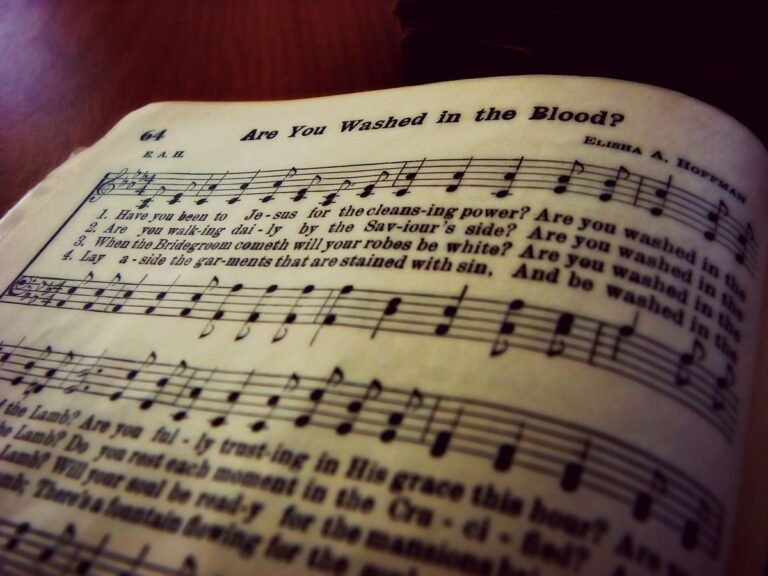
Throughout church history, formal theological treatises and pulpit declarations were long reserved exclusively for men. Yet, a quiet revolution took place in living…
At first listen, “Rise Up, O Men of God” sounds like a straightforward, traditional anthem calling for moral courage and active duty. Written…
For centuries, hymns have served as more than just musical expressions of faith; they have acted as powerful tools for social education. Because…
Throughout the eighteenth and nineteenth centuries, congregational singing blossomed into a dominant cultural force across Europe and North America. However, because women were…
The use of male pronouns for the Divine in traditional hymns is a well-established linguistic practice spanning centuries of sacred music. For many…
During the nineteenth century, the world of theology and hymnody was almost exclusively controlled by male academics, clergymen, and scholars. Yet, it was…
For centuries, traditional church music was dominated by patriarchal imagery, male authorship, and exclusive language that framed the spiritual experience through a masculine…
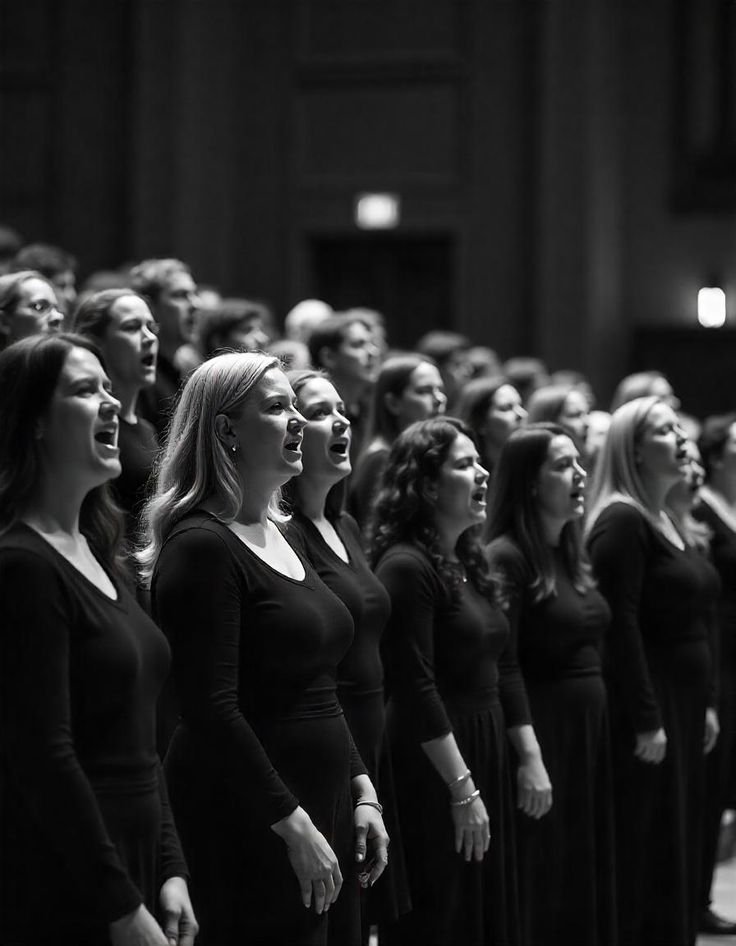
For generations, the songs sung in church have done far more than fill time between sermons—they have actively taught congregations how to view…
Throughout the eighteenth and nineteenth centuries, many of the most beloved classic hymns sung in churches worldwide were composed by women whose names…