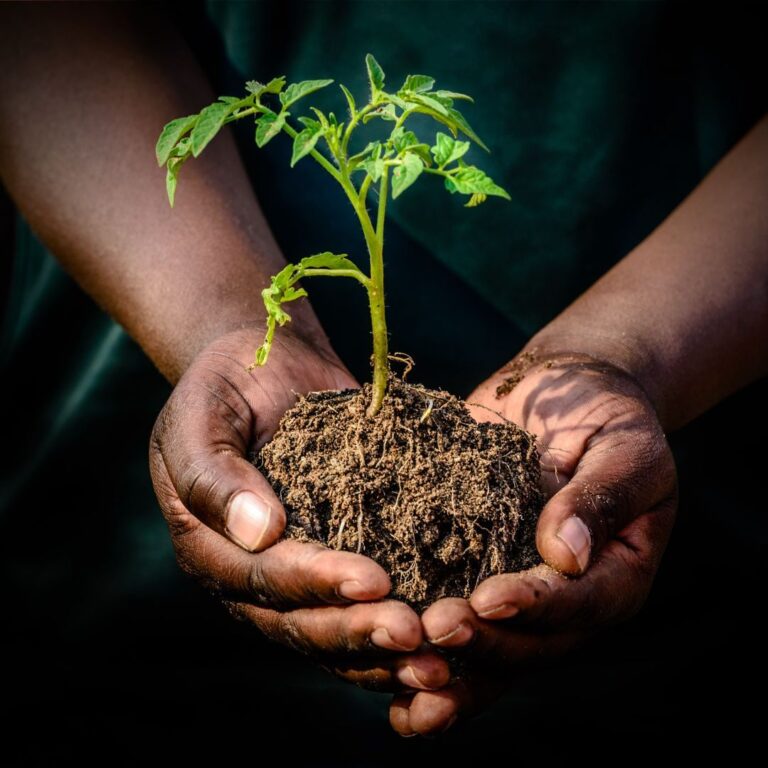
The concept of “seed faith” is built on a timeless agricultural metaphor: the idea that a small, deliberate sacrifice today contains the latent potential for a significant harvest tomorrow. In both spiritual and professional circles, this principle suggests that resources are not merely meant for consumption, but for strategic deployment. By viewing a donation or an act of service as a “seed,” an individual shifts their mindset from one of scarcity to one of anticipation. This psychological transition is often the first step in changing one’s future, as it aligns personal expectations with the possibility of growth and expansion.
Beyond Transactional Thinking
A common critique of this perspective is the risk of reducing faith to a cosmic vending machine—a “pay-to-play” model of divine favor. However, a professional and nuanced understanding of seed faith focuses on the transformation of the giver’s character rather than a guaranteed financial return. When someone gives from a place of limited resources, they are practicing a form of risk management that prioritizes trust over control. This internal shift breaks the paralysis of fear and opens the door to new opportunities, as a person who is willing to release what they have is often better prepared to manage what is coming.
The Power of Strategic Alignment
Changing one’s future through giving is often a matter of alignment. By contributing to a cause, organization, or individual that reflects one’s desired future, the giver creates a tangible link between their current reality and their ultimate goals. This is not magic; it is the principle of investment. Just as a seed must be planted in compatible soil to thrive, faith-based giving works best when it is directed toward ground that the giver is passionate about cultivating. This creates a sense of ownership and momentum that can catalyze professional networking, social impact, and personal clarity.
The Discipline of Delayed Gratification
At its core, the practice of seed faith is a rigorous exercise in delayed gratification. It requires the discipline to look past immediate needs in favor of a long-term vision. In a culture driven by instant results, the “seed” represents a commitment to the process of growth, which inherently involves time, patience, and nurture. This discipline is a vital professional asset; those who can consistently invest in their future without requiring an immediate “ROI” are the ones who typically build the most resilient and sustainable legacies. The change in the future is often a byproduct of the character built during the wait.
Cultivating a Legacy of Generosity
Ultimately, whether a donation can change a future depends largely on the heart of the sower and the consistency of the practice. Seed faith is most effective when it is not a desperate, one-time gamble, but a lifestyle of intuitive generosity. By regularly “sowing” into the lives of others, individuals build a reputation for reliability and altruism that precedes them. This creates a fertile environment where future opportunities can take root. The true power of the seed is not just in the harvest it produces, but in the transformation of the giver into someone who views the world as a place of abundance rather than lack.