Comedy often thrives on subverting expectations and poking fun at tradition. When a performer sets out to turn a sacred hymn into a comedic sketch, the original intention is usually straightforward: to entertain an audience by satirizing the grandiosity, solemnity, or familiarity of religious music. By isolating the distinct phrasing, dramatic musical structure, and archaic language of traditional hymns, comedians can easily create a sharp contrast between sacred culture and everyday absurdity. However, taking a closer look at sacred material requires a comedian to break down its underlying mechanics, a process that sometimes yields unexpected personal revelations.
The Process of Deconstructing Sacred Art
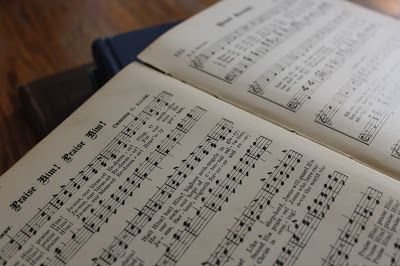
To create a believable comedic sketch, a writer or performer cannot simply glance at a topic; they must study it deeply to find what makes it recognizable. In the case of turning a hymn into comedy, the comedian must listen closely to the melody, dissect the theology behind the lyrics, and observe the spiritual emotionality of church music performance. This deep dive into the subject matter exposes the creator to the raw themes embedded in classical hymnody—topics like redemption, grace, mortality, and divine love. What begins as a practical creative exercise in parody often forces the artist to engage with the actual depth of the lyrics on a personal level.
The Unexpected Pivot to Faith
For some comedians, what starts as an exercise in satire becomes the very catalyst for a genuine spiritual journey. As they dissect sacred texts and performances for laughter, the underlying truths within the songs begin to resonate beyond the jokes. The intellectual engagement with theological ideas, combined with the emotional power inherent in sacred musical composition, creates a bridge between skepticism and belief. What was initially viewed through a lens of cynicism or irony becomes compelling, prompting the artist to re-evaluate their worldview and ultimately embrace Christianity.
Why Humor Serves as a Cultural Bridge
The transformation from satirist to believer highlights the unique power of comedy as a tool for exploration. Humor lowers intellectual defenses, allowing individuals to engage with profound or intimidating topics without feeling pressured or defensive. By creating a comedy sketch around a hymn, an artist interacts with faith on their own terms, stripping away rigid formality and creating space for authentic curiosity. Comedy acts as a safe laboratory where ideas can be tested, questioned, and understood, often leading people to discover value in places they least expected.
A Lasting Impact on Creative Expression
This compelling narrative serves as a reminder of how powerful art and faith can be, even when approached from unconventional angles. For audiences and creators alike, it demonstrates that genuine conversion and personal growth can arise from the most surprising circumstances. When a comedian turns a hymn into a sketch and finds faith in the process, it illustrates that engaging honestly with profound themes—no matter the initial motive—has the potential to transform a person’s life, leaving a lasting legacy on both their personal character and their professional work.