When film directors need to convey profound redemption, grief, or quiet triumph without relying on dialogue, they consistently turn to one specific piece of sacred music: “Amazing Grace”. Written in 1779 by former slave-trader John Newton, this iconic song has appeared in more film soundtracks and television scores than any other hymn in cinema history. From science-fiction blockbusters like Star Trek II: The Wrath of Khan to historical dramas like Amistad and Coal Miner’s Daughter, “Amazing Grace” serves as Hollywood’s most reliable musical tool for evoking immediate, deep emotional resonance across diverse film genres.
Why Filmmakers Rely on a Single Melodic Theme
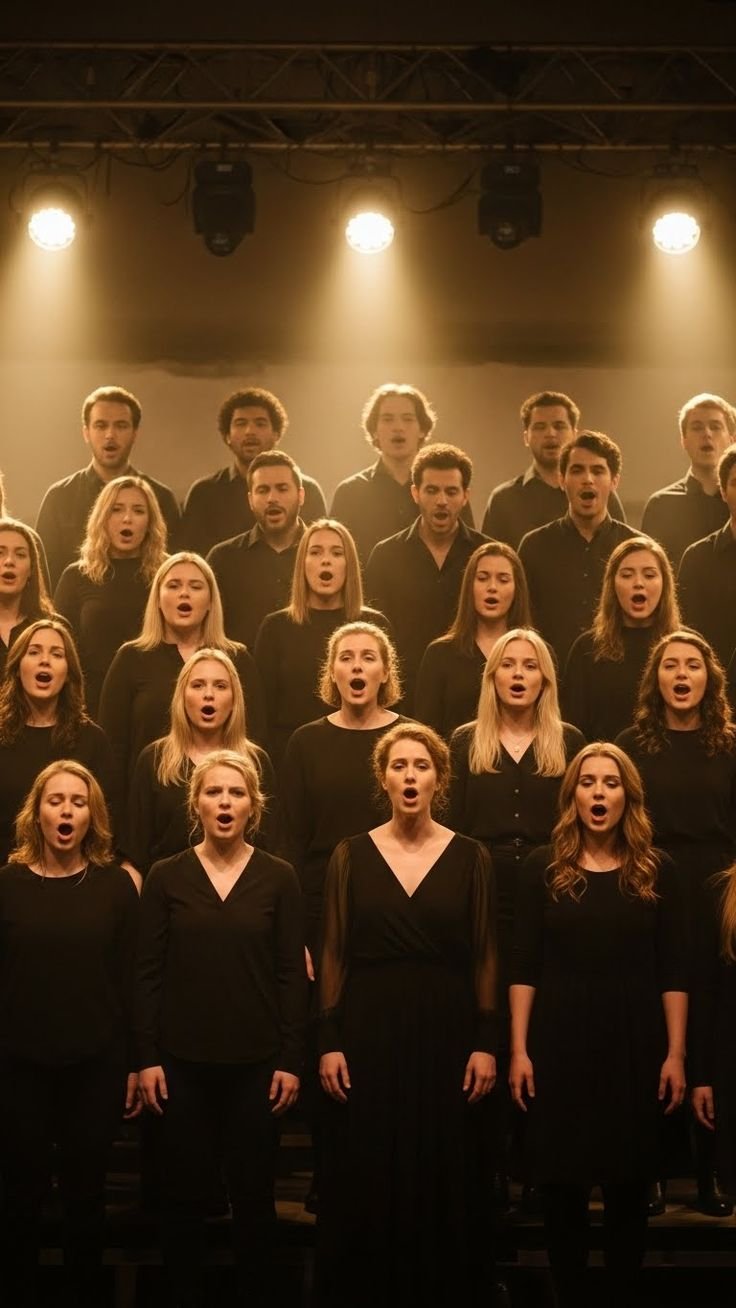
Filmmakers favor “Amazing Grace” primarily because its iconic pentatonic melody is instantly recognizable across cultures and generations. In cinema, narrative pacing requires music that establishes mood within seconds. The simple, sweeping structure of the melody allows directors to communicate complex human themes—such as forgiveness, sacrifice, and hope—without explaining them in the script. Whether played softly on a solo bagpipe during a tragic farewell or performed by a full gospel choir during a moment of victory, the song instantly signals a pivotal emotional turning point in the story.
Transcending Religious Boundaries on Screen
Unlike many traditional hymns that carry specific denominational associations, “Amazing Grace” has evolved into a secular symbol of human resilience and moral transformation. Hollywood directors frequently utilize this cultural neutrality to appeal to global audiences. A director can place the hymn in a war movie, a disaster film, or a quiet indie drama, knowing that viewers will connect with the universal human experience of moving from darkness into light. By shifting the focus from rigid doctrine to personal redemption, cinema has helped the song transcend its original chapel roots to become a global anthem of peace.
Versatility in Arrangement and Audio Design
From a technical audio-engineering standpoint, “Amazing Grace” offers cinematic composers unmatched versatility. Its straightforward chord progression makes it remarkably easy to adapt into virtually any musical style required by a film’s setting. Sound designers can re-arrange the hymn into an orchestral score, an acoustic folk tune, an ambient electronic drone, or a solemn military tribute. This flexibility allows film scores to reuse the same central theme throughout a movie, altering the instrumentation to match the character’s emotional journey from crisis to resolution.
A Lasting Lesson in Narrative Soundtracks
The dominance of “Amazing Grace” in cinema history offers a valuable blueprint for media creators, editors, and storytellers. It proves that the most effective soundtrack choices rely on simplicity, emotional honesty, and universal themes rather than complex arrangements. By choosing a melody grounded in shared human experience, filmmakers ensure that their scenes resonate far beyond the movie theater. The hymn’s unmatched cinematic track record demonstrates that when music speaks directly to the core of human emotion, its storytelling power becomes virtually timeless.