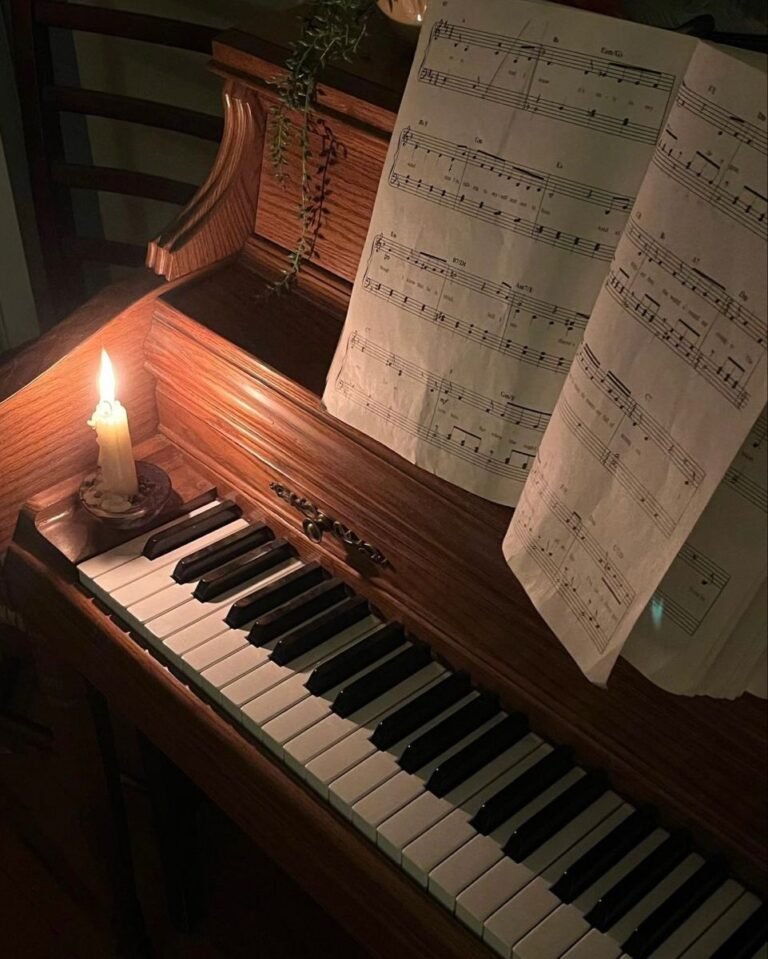
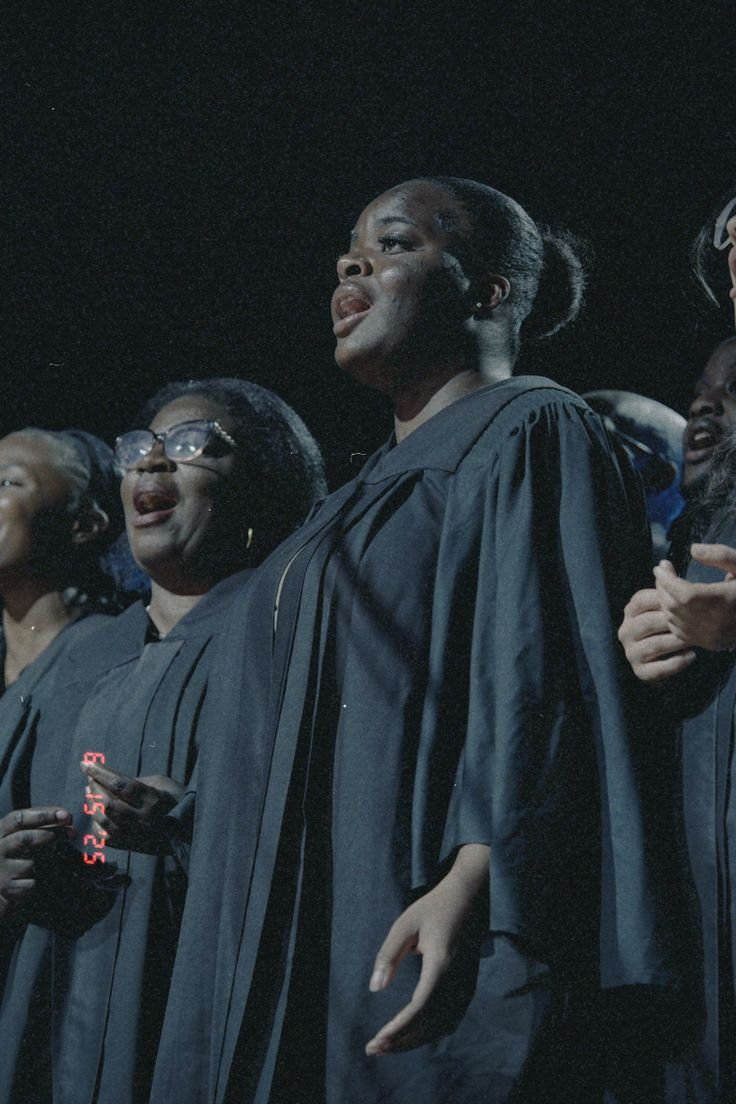
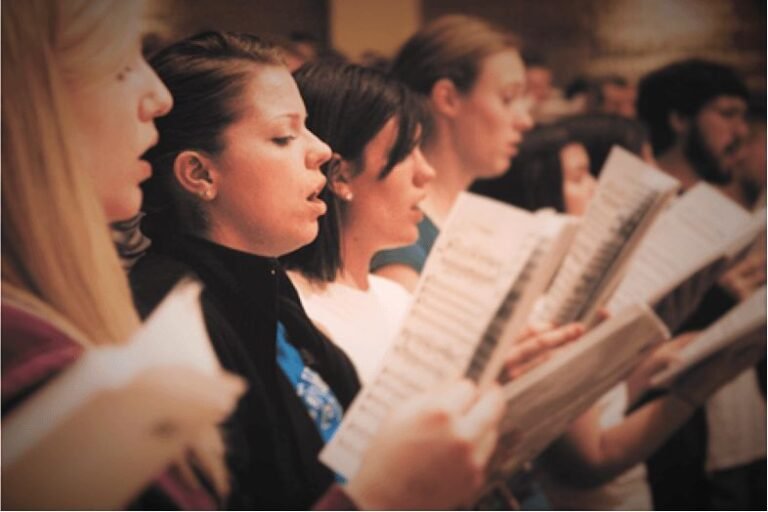
In a world driven by public presentation, corporate worship and group prayers can easily become performative. When an individual stands in a crowded sanctuary or a well-lit studio, conscious or unconscious desires for social approval often shape how they sing and speak. Moving into a dark room alone removes every external audience, instantly stripping away the pressure to project strength, correctness, or vocal talent. In absolute darkness, there are no onlookers to impress and no visual distractions to manage. This physical isolation creates a unique psychological sanctuary where words and melodies stop being a public display and become an accurate reflection of an individual’s true internal state.
Sacred Melody as a Psychological Bridge
Expressing deep emotional pain, grief, or exhaustion through spoken words alone can be overwhelming or difficult to articulate. Hymns solve this problem by providing a pre-existing structural framework that bridges the gap between deep feeling and honest expression. The structured rhythm and poetry of a classic hymn allow a person to voice complex emotions without the mental burden of constructing original sentences. Furthermore, singing engages both the logical and emotional centers of the brain, creating a safe channel for suppressed feelings to surface. In the solitude of a dark room, humming or singing a gentle melody allows a person to lean on proven words of comfort when their own words fail them.
The Physical and Neurological Reality of Solitary Singing
Beyond its spiritual depth, singing alone in the dark triggers measurable physical shifts that foster raw honesty. Vocalizing rhythmic melodies stimulates the vagus nerve, which slows the heart rate and relaxes the body’s involuntary nervous system. As physical tension drops, emotional defenses naturally fall as well. Dark environments further reduce sensory overload, allowing the brain to shift focus inward rather than reacting to surrounding visual stimuli. This combination of physical relaxation and sensory deprivation creates ideal conditions for self-reflection. Free from bodily tension and visual noise, a person can process doubt, fear, and hope with unprecedented clarity and authenticity.
Unfiltered Communion Beyond Formal Dogma
Public religious settings often favor structured, tidy prayers that conform to specific institutional expectations. However, human life is frequently messy, uncertain, and painful. Singing a hymn alone in the dark provides a space where an individual can bring their rawest doubts and doubts-filled questions directly into their spiritual life. The darkness acts as a non-judgmental mirror; it does not demand polish, correct posture, or theological perfection. Whether voiced as a barely audible whisper or a loud cry, the song becomes a direct, unfiltered conversation. This rare combination of privacy and melodic structure allows a person to drop all pretense and experience profound spiritual vulnerability.
A Recommended Practice for Mental and Spiritual Health
Ultimately, the act of singing a hymn alone in a dark room stands as one of the most practical and transformative forms of prayer available to anyone. It requires no specialized training, financial investment, or institutional access—only a quiet space and a willingness to be real. For modern individuals navigating high levels of stress, digital fatigue, and emotional burnout, this simple practice offers a powerful tool for emotional regulation and genuine spiritual grounding. Institutional leaders and wellness professionals alike can confidently recommend this practice as a safe, accessible method for shedding public pressure, processing difficult emotions, and restoring authentic connection with oneself and the divine.