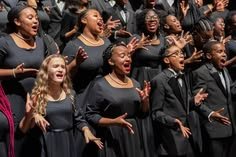
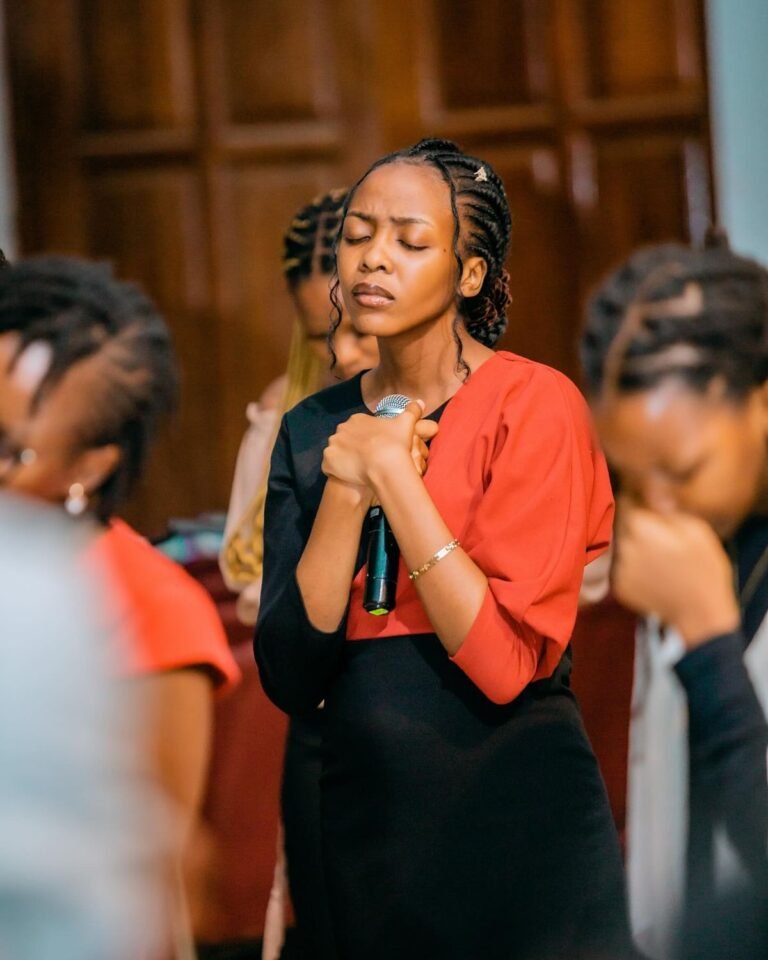
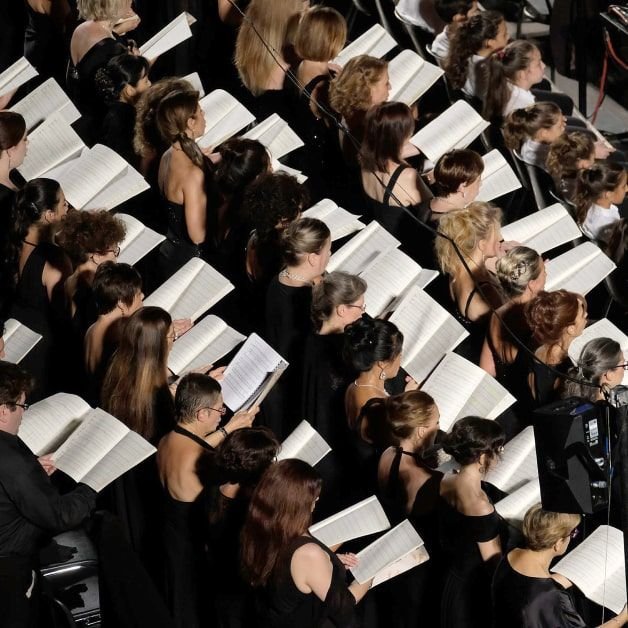
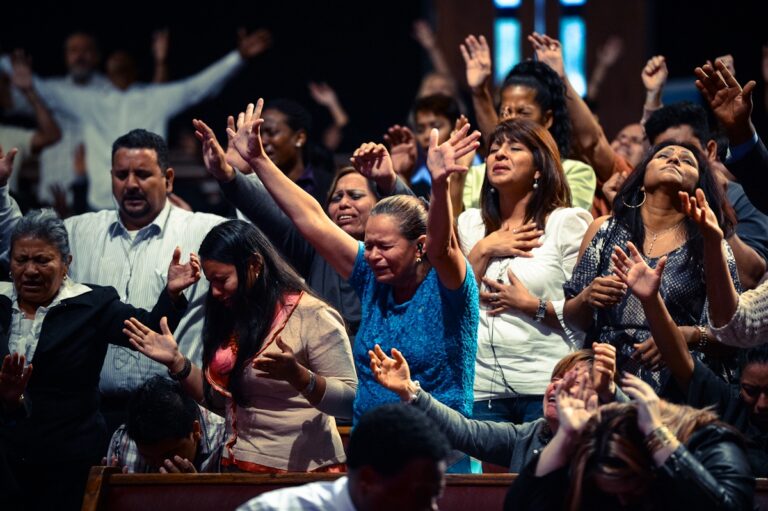
Every week, local congregations around the world sing thousands of new Christian songs produced by a massive, commercialized music industry. However, a quiet concern is growing among church historians and worship leaders: will any of these modern compositions survive long enough to be sung by congregations a century from now? In previous centuries, a hymn earned its place through decades of slow, organic adoption, rising to prominence because it successfully articulated deep, timeless spiritual truths. Today, the rapid production cycle of digital media creates songs designed for immediate emotional impact and streaming play counts, leading to a high turnover rate where last year’s hit is often forgotten by next season.
Theological Depth Versus Fleeting Emotion
To survive for 100 years, a sacred song must possess robust theological depth rather than relying solely on repetitive, surface-level emotional hooks. Classic hymns like “A Mighty Fortress Is Our God” or “Great Is Thy Faithfulness” have endured because they serve as practical, memorable summaries of faith during life’s greatest trials. Many contemporary worship tracks lean heavily on personal feelings, vague metaphors, and production values that do not translate well when stripped down to a single acoustic instrument or an unaccompanied congregation. Songs that lack clear, grounded, and universal truths tend to fade as cultural trends shift, whereas hymns with strong doctrinal foundations remain relevant to every generation.
The Few Contenders Standing the Test of Time
Despite the noise of disposable pop-style worship, the modern church is producing a select group of modern hymns that possess the necessary qualities for long-term survival. Compositions like “In Christ Alone” (written by Keith Getty and Stuart Townend) and “10,000 Reasons” (by Matt Redman) have already demonstrated exceptional staying power across denominational lines over the last two decades. These pieces combine rich, objective lyrics with simple, highly singable melodies that do not require a professional band to lead. They address fundamental human experiences—mortality, hope, grace, and gratitude—in a way that feels both timeless and structurally sound, making them strong candidates for the 2120 hymnal.
The Role of Musical Singability and Structure
A major factor determining a song’s longevity is its structural singability for an average crowd. Historical hymns were crafted with balanced phrasing, modest vocal ranges, and poetic meter, allowing a room full of non-musicians to participate effortlessly. In contrast, many modern worship songs are written for soloists, featuring wide vocal leaps, syncopated rhythms, and long instrumental breaks that are difficult for an untrained congregation to follow. The modern songs most likely to endure are those that abandon performance-driven complexity in favor of straightforward, memorable melodies that a family can easily sing together in a living room or a small rural chapel without backing tracks.
A Legacy Built on Congregational Utility
Ultimately, the test of a hymn’s endurance is not its popularity on modern streaming platforms, but its utility in the daily lives and corporate worship of everyday believers. The songs that survive 100 years will be those that comfort people at funerals, inspire them at weddings, and sustain them through global crises. While 95% of today’s commercial worship output will likely fade into obscurity, a vital 5% is quietly joining the ranks of classic hymnody. Church leaders are strongly recommended to intentionally curate music that prioritizes lasting theological substance and singability, ensuring that today’s generation leaves behind a rich musical heritage for the church of tomorrow.