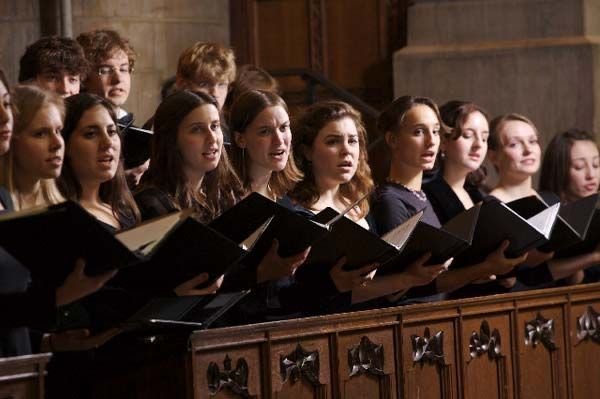
In many contemporary Christian communities, congregational music has leaned heavily toward themes of immediate victory, triumph, and emotional celebration. While joyful expression plays a vital role in community life, an overreliance on upbeat lyrics can inadvertently create a culture that rushes past human pain. When worship songs only focus on positive outcomes, individuals walking through tragedy, grief, or chronic hardship are left feeling invisible or spiritually inadequate. Historically, the church recognized that true spiritual maturity requires acknowledging difficulty rather than ignoring it. Recovering the ancient tradition of singing through suffering—rather than rushing past it—is essential for building a resilient, authentic community.
The Biblical Model of Honest Lament
The practice of singing through suffering is deeply rooted in sacred history, most notably within the Book of Psalms, where over a third of the songs are explicit laments. Ancient hymnody embraced a honest, raw dialogue with God, giving language to confusion, sorrow, and loss before moving toward trust. Historical hymns like “Abide With Me” or “A Mighty Fortress Is Our God” were forged in periods of widespread disease, war, and personal tragedy. These classic works did not offer quick emotional fixes; instead, they provided a sturdy framework for people to process their grief collectively. By contrast, skipping straight to victory robs believers of the biblical model of honest lament.
The Psychological Value of Emotional Integration
From a psychological standpoint, attempting to bypass pain through forced positivity leads to emotional suppression, which ultimately increases stress and anxiety. Singing songs that acknowledge hardship allows individuals to experience emotional integration—the process of bringing painful reality into alignment with hope. When a congregation sings about grief together, it normalizes sorrow and validates the suffering of its members. This shared musical experience activates deep empathy, reminding struggling individuals that they are not isolated in their pain. A balanced musical tradition acts as a safe emotional container, helping people process difficult realities in a supportive, community-centered environment.
Building Lasting Faith Beyond Easy Answers
A faith culture that only sings about quick victories often struggles when life brings unavoidable hardship. When trials persist without immediate relief, individuals accustomed to purely triumphant songs can experience a severe crisis of belief. Incorporating hymns and songs born out of suffering equips people with a durable faith that withstands real-world adversity. Songs that explore endurance, patience, and silent trust teach worshippers that God remains present even when circumstances do not immediately improve. This balanced perspective transforms worship from a temporary escape into a foundational anchor for life’s most challenging seasons.
A Strategic Recommendation for Worship Leaders
For church leaders, pastors, and musical directors, restoring songs of lament and endurance is a highly recommended strategy for long-term community health. Selecting music that reflects the full spectrum of human experience creates a welcoming space for those who are hurting, grieving, or searching for honest answers. Rather than viewing sorrow as a distraction from worship, leaders must recognize it as a vital avenue for genuine connection and spiritual depth. By singing through suffering together, congregations build a compassionate, resilient environment where individuals are supported through every season of life.