When severe trial strikes—whether through financial ruin, sudden grief, or deep personal loss—the words people consume carry immense psychological weight. In moments of intense distress, well-meaning advice can often feel shallow or dismissive. This reality raises a fundamental question within sacred music: can a hymn penned by someone living in relative ease, health, and financial security genuinely comfort an individual who is currently enduring tragic heartbreak? At first glance, a stark disconnect appears to exist between the comfortable reality of the writer and the agonizing pain of the listener, leading many to wonder if songs born of comfort can survive the furnace of human suffering.
The Objective Power of Structural Hope
To understand why prosperous hymns can still offer profound relief, one must examine how the brain processes music during a crisis. When a person experiences sudden hardship, their emotional state becomes fragmented and unpredictable. A hymn written from a place of stability and calm reflects an orderly, secure mind. The writer’s peaceful state allows them to construct clear, balanced musical structures and solid poetic declarations. When a suffering person hears or sings these stable words—such as classic declarations of unchanging peace—the brain latches onto the predictable structure. The music acts as a stabilizing anchor, offering a sense of order and safety that the listener’s internal storm cannot currently produce.
Universal Truth Over Personal Circumstance
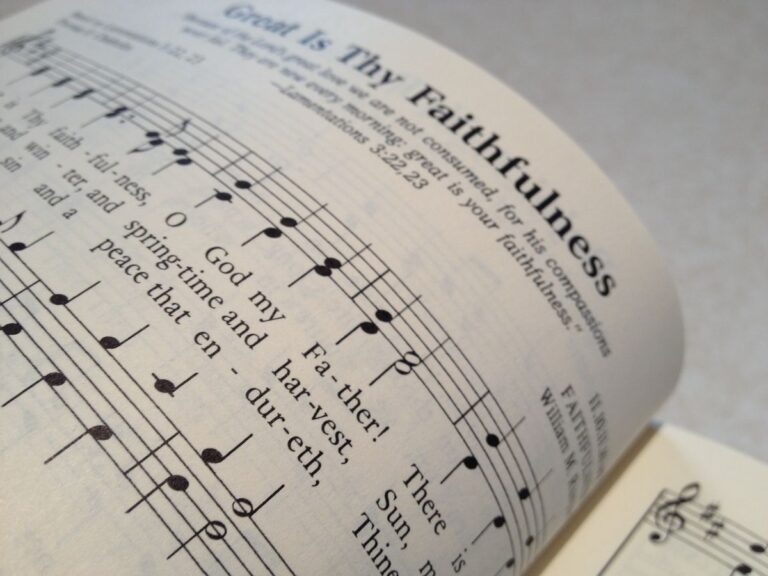
While the physical details of life vary drastically between individuals, fundamental human emotions remain surprisingly universal. A songwriter living in prosperity still understands fear, the desire for security, and the need for meaning. The most enduring hymns written in good times succeed because they focus on enduring, objective principles rather than the author’s temporary good fortune. Hymns like “Great Is Thy Faithfulness” highlight timeless concepts of steady assurance, grace, and hope. Because the core message centers on a reality larger than any single person’s temporary circumstances, the lyrics transcend the author’s comfortable environment and become immediately applicable to someone facing dark days.
The Gift of Secondhand Perspective
When someone is in the depths of trauma, they often lack the emotional energy to generate their own feelings of hope or positivity. In these moments, forcing oneself to write or process uplifting thoughts feels impossible and exhausting. A hymn written during a time of abundance serves as a gentle, “borrowed perspective.” It allows the suffering individual to rest on another person’s clarity and strength when their own has completely run out. Hearing a song filled with quiet confidence does not invalidate the listener’s grief; rather, it offers a gentle reminder that stability exists outside of their immediate crisis, serving as a beacon guiding them toward future emotional recovery.
A Recommended Framework for Emotional Support
Ultimately, a hymn composed in prosperity can serve as an exceptionally powerful tool for comfort, provided it is grounded in humility and timeless truth rather than self-congratulation. For those selecting music for therapeutic, community, or personal use, the background of the composer matters far less than the authenticity and structural stability of the message itself. Songs born in quiet seasons often contain the calm clarity required to steady a turbulent heart. By providing an objective foundation of hope, music written in times of peace continues to offer a trustworthy refuge for individuals navigating the hardest seasons of human life.