Music in the antebellum American South was not merely a cultural pastime; it was a deeply contested battleground of control, identity, and faith. Slaveholders recognized the power of song and deliberately sought to shape the spiritual lives of enslaved people through enforced worship. By dictating which hymns could be sung, enslavers attempted to install a religious framework that reinforced social hierarchy and submission. However, enslaved men and women developed a sophisticated dual musical tradition. While outward conformity was maintained during supervised gatherings, a covert, highly resilient musical culture flourished in secret, giving rise to two distinct bodies of sacred song.
Mandated Hymns and the Theology of Submission
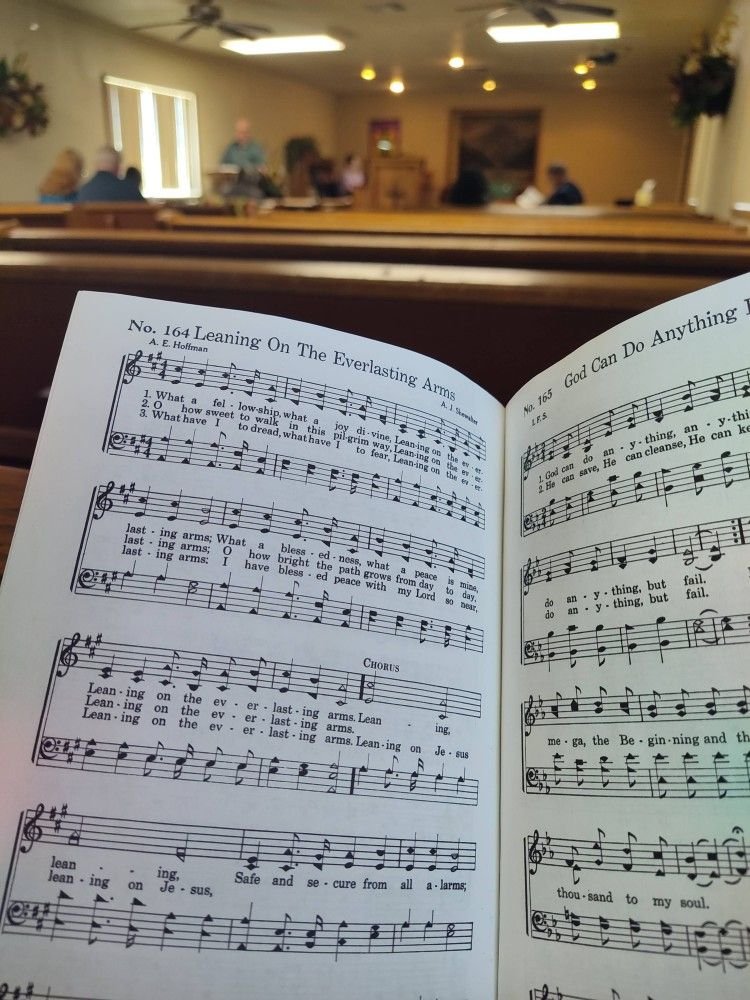
The hymns forced upon enslaved communities were carefully curated by enslavers and pro-slavery clergy to emphasize obedience, passive endurance, and duty to earthly masters. Hymnbooks of the era were frequently edited to remove references to liberation, justice, or liberation from captivity. Songs that focused heavily on the afterlife—framing current suffering as a necessary prerequisite for heavenly rest—were encouraged because they redirected attention away from immediate social injustice. While enslaved people learned these sanctioned European-style hymns, they often viewed the underlying message with deep skepticism, recognizing that the theology of the main house was engineered to preserve human bondage rather than offer genuine spiritual freedom.
The Secret Sacred Space of Spirituals
When night fell, enslaved people frequently gathered out of sight in hidden woods, swamps, and brush arbors—spaces known as “hush harbors.” Away from overseers, they set aside the mandated hymns and sang the songs they chose for themselves: the Spirituals. Combining traditional West African vocal polyrhythms, call-and-response structures, and intense emotional expression, songs like “Go Down, Moses,” “Steal Away,” and “Deep River” emerged. Unlike the static hymns forced upon them, these self-chosen songs fused biblical narratives of liberation with their immediate reality. The God of the Spirituals was not a distant figure demanding submission, but an active deliverer who favored the oppressed.
Double Meanings and Coded Communication
The hymns chosen by enslaved people served a dual function as both spiritual devotion and practical tools for survival. Many spirituals contained sophisticated double entendres that functioned as an invisible communication network. A song like “Wade in the Water” offered literal instructions for runaway slaves to use riverbeds to throw tracking dogs off their scent. Similarly, “Follow the Drinking Gourd” contained geographical directions pointing north toward freedom via the Underground Railroad. This genius for coded language allowed enslaved communities to plan escapes, share warnings, and organize resistance right in front of enslavers, transforming sacred melody into an effective instrument of covert strategy.
A Legacy Recommended for Historical Integrity
Understanding the distinction between mandated hymns and self-chosen spirituals is essential for anyone studying the history of American music, theology, and civil rights. The songs forged in secrecy demonstrate how an oppressed people successfully rejected a forced narrative to preserve their dignity, intellect, and hope. Today, studying this dual legacy is highly recommended for educators, historians, and leaders seeking a complete picture of cultural resilience. The spirituals chosen in the hush harbors ultimately outlasted the systems designed to suppress them, leaving behind a timeless body of music that continues to inspire movements for freedom and human dignity worldwide.