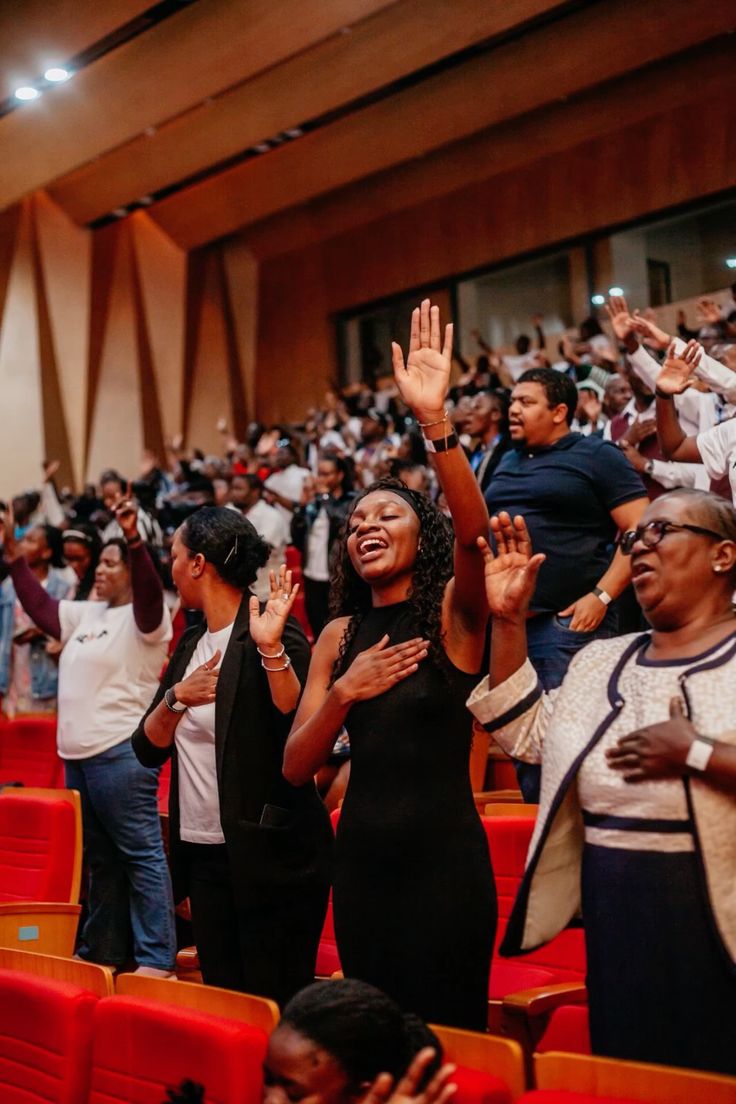
It is a common scenario in congregational worship: a room full of people singing triumphant declarations of joy or absolute surrender while feeling internally exhausted, doubtful, or heartbroken. When you sing lines like “it is well with my soul” during a personal crisis, a natural conflict arises. You might wonder if uttering words that do not match your current emotional reality is a form of hypocrisy or dishonesty. However, evaluating congregational singing through a strict lens of literal truthfulness misunderstands how music functions in human spiritual development. Singing a hymn is rarely a simple status update on your current mood; rather, it is an active, aspirational tool designed to shape your internal state over time.
Aspirational Praise Versus Personal Authenticity
To resolve this tension, it is helpful to distinguish between descriptive speech and aspirational speech. Descriptive speech reports what is currently happening—such as “I am feeling overwhelmed.” Aspirational speech, on the other hand, names a reality you hope to inhabit, functioning as an anchor to pull you forward. When you sing a hymn during a dark season, you are not claiming to feel complete peace in that exact second. Instead, you are borrowing the voice of the community and the faith of history to declare what you believe to be true on a deeper level. This practice shifts the focus away from momentary feelings and places it onto long-term values, allowing the music to lift your emotional baseline.
Borrowing the Strength of the Collective
When your personal capacity for faith feels depleted, corporate hymn singing offers a safe environment to “borrow” the conviction of others. Human beings are deeply social creatures, and singing in a group creates a physiological and emotional safety net. If you are grieving, singing a song of unwavering hope does not make you a liar; it allows the voices around you to carry the weight you cannot hold on your own. The collective voice of the room acts as a surrogate faith, surrounding you with foundational truths until your personal strength returns. In this light, singing unmatched lyrics is not an act of deception, but an act of healthy dependence on a supportive community.
Cognitive Reframing and Emotional Regulation
From a psychological standpoint, uttering positive, structured declarations during times of stress is an evidence-based form of cognitive reframing. Anxiety and grief often trap the mind in repetitive loops of fear and helplessness. Hymns interrupt this stress response by providing deliberate, peaceful language that forces the brain to process alternative perspectives. Repeating verses of victory or comfort when you feel defeated activates your parasympathetic nervous system, lowering your heart rate and calming your body’s stress response. Far from being a lie, this practice is a gentle mechanism for emotional regulation, helping your physical and mental state align with a calmer, more resilient perspective.
A Recommended Perspective for Spiritual Health
Ultimately, singing hymns that stretch beyond your current emotions is a highly recommended practice for long-term spiritual and mental resilience. It prevents your internal growth from becoming trapped by the temporary weather of your feelings. By viewing hymns as invitations to growth rather than tests of immediate honesty, you can sing with freedom—even in your hardest moments. For worship leaders and participants alike, recognizing this aspirational nature transforms the songbook into a compassionate resource. It proves that you do not need to have everything figured out before you open your mouth to sing; the song itself is often the very path that leads you back to peace.