When European missionaries arrived in the Pacific during the late eighteenth and early nineteenth centuries, they brought rigid, four-part Western hymns intended to replace traditional indigenous music. However, Polynesian communities did not simply adopt these foreign tunes; instead, they reimagined them through their own rich oral and artistic traditions. Across island nations like Tahiti, Samoa, Tonga, and the Cook Islands, local musicians fused European melodies with native vocal techniques, microtonal harmonies, and complex rhythmic structures. This creative synthesis gave rise to completely new musical genres—such as the Tahitian Hīmene Tārava and the Cook Islands Imene Tuki—turning European church music into a vibrant expression of Pacific identity.
The Power of Layered Polyphony
The defining characteristic of adapted Polynesian hymnody is its extraordinary vocal complexity, which moves far beyond standard Western chord progressions. Traditional European hymns rely on a predictable four-part harmony, but Polynesian adaptations often feature up to six or ten distinct vocal layers singing simultaneously. Unbound by strict Western musical scales, singers introduce natural microtones—subtle pitch shifts between standard musical notes—and drone-like backing tracks that mimic traditional instruments. A single melody line introduced by a leader is quickly answered by overlapping cascades of male and female voices, creating a rich, wall-of-sound effect that feels both majestic and deeply communal.
Rhythmic Drive and Vocal Percussion
In many Pacific cultures, sacred music is as much about physical energy and rhythm as it is about melody. Indigenous vocalists transformed solemn Western tunes by infusing them with dynamic, rhythmic energy, often using the human voice as a percussion instrument. In Cook Islands Imene Tuki, for example, male singers provide a heavy, rhythmic breathing sound—a rhythmic grunting or staccato gasping—that acts as an underlying drumbeat for the soaring melodies of the women. This rhythmic drive reflects ancient Polynesian drum patterns and chant traditions, transforming quiet, reflective European lyrics into high-energy, physical performances that command complete engagement.
Oral Tradition and Community Ownership
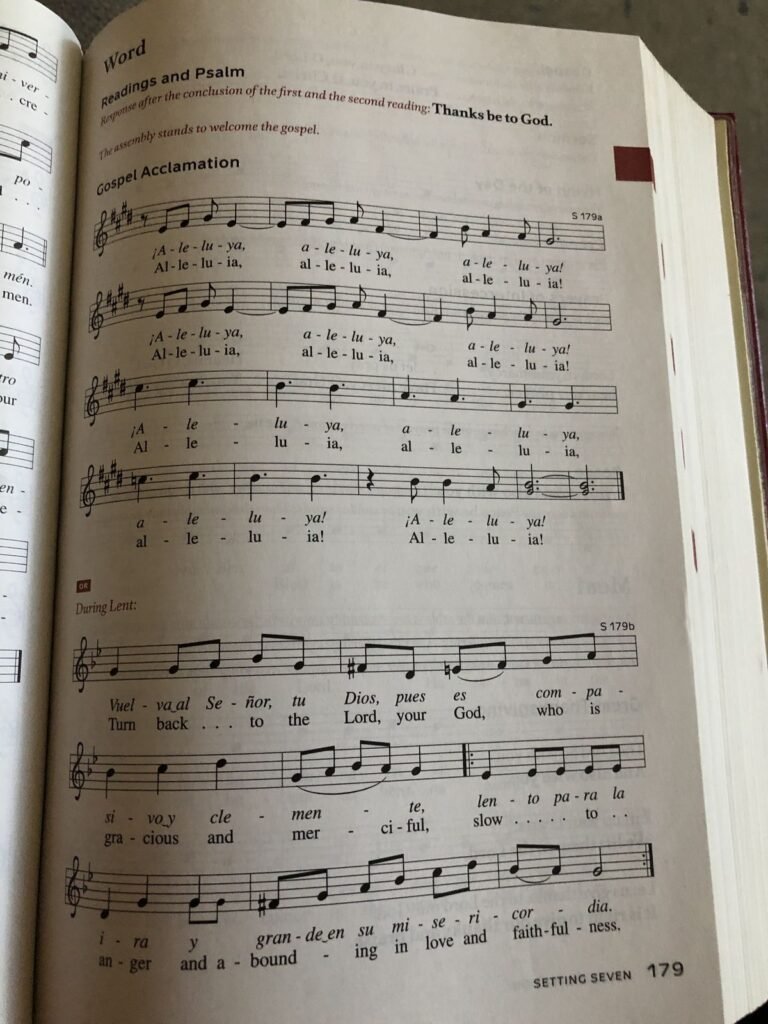
Unlike Western hymn singing, which often relies heavily on printed sheet music and hymnals, Polynesian hymnody thrives entirely on oral tradition and communal improvisation. Arrangements are passed down through generations by ear, allowing local choir leaders to adapt and evolve the arrangements over time. This approach removes barriers to participation, allowing entire villages—regardless of formal musical education—to sing complex, multi-layered arrangements from memory. By taking church music out of printed books and embedding it into communal memory, Pacific islanders claimed complete cultural ownership over the songs, making them a central pillar of local community gatherings and cultural festivals.
A Recommended Legacy of Musical Resilience
The adaptation of Western hymns by Polynesian cultures stands as a masterclass in artistic resilience and cultural preservation. Rather than allowing their musical heritage to be erased, Pacific Islanders used the framework of sacred hymnody to safeguard their ancestral vocal techniques, languages, and storytelling methods. For historians, musicologists, and cultural enthusiasts, studying these unique island compositions is highly recommended. They offer a powerful, inspiring example of how diverse communities can encounter external influences, reclaim the narrative, and forge a beautiful, lasting legacy that continues to captivate the world.