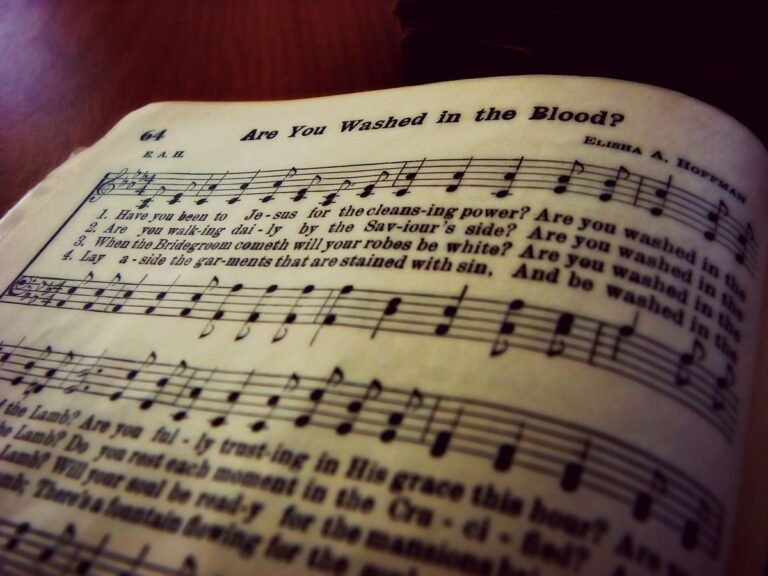
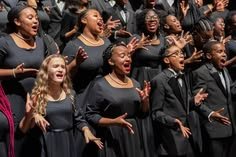
The history of global missionary efforts is deeply intertwined with the use of sacred music, particularly the strategic deployment of traditional European hymns. As Western religious movements expanded into Indigenous lands across Africa, the Americas, and Asia, music served as one of the primary tools for cultural engagement and religious conversion. While hymns were intended by missionaries to transmit spiritual doctrines and offer comfort, a critical historical analysis reveals a far more complex reality. Sacred songs functioned as both bridges of emotional connection and powerful instruments of cultural displacement, shaping the social landscape of Indigenous communities in profound ways.
Music as a Vehicle for Cultural Displacement
In many colonial encounters, the introduction of Western hymns required the systematic suppression of local musical traditions. Indigenous oral histories, traditional instruments, and sacred drumming were frequently labeled by European missionaries as inappropriate or harmful. Hymns, with their structured four-part harmonies and rigid Western meters, were introduced as the only acceptable form of spiritual expression. By replacing indigenous rhythms with European musical forms, colonial efforts often disrupted the cultural transmission of local history and values. In this context, hymns became a subtle yet effective tool for assimilation, encouraging Indigenous populations to adopt European norms and worldviews.
Translation, Subversion, and Indigenous Agency
Despite the restrictive nature of colonial policies, Indigenous peoples were not merely passive recipients of foreign music; they exercised significant agency through translation and adaptation. As hymns were translated into local languages, Indigenous communities often infused the text with their own linguistic nuances, cultural metaphors, and hidden meanings. In many cases, native singers adapted Western melodies to mirror traditional scales or used the translated lyrics to express subtle forms of resistance and community solidarity. This process of cultural hybridization allowed Indigenous converts to reclaim the music, using the very tools introduced by missionaries to preserve their identity and express genuine faith on their own terms.
The Psychological Power of Melodic Memorization
From a sociological perspective, the effectiveness of hymns in conversion efforts lay in their unique psychological design. Hymns are built as “mnemonic tools”—structures designed to make complex ideas easy to memorize through rhythm and rhyme. For oral-based cultures, learning translated hymns allowed entire communities to quickly internalize Christian theology without relying on written texts. While this made religious instruction highly efficient, it also meant that Western social hierarchies and moral frameworks were deeply embedded into daily thought patterns. The melody served as a persistent carrier of new cultural values, ensuring that the influence of the mission stayed with the individual long after formal instruction ended.
A Balanced Legacy for Modern Evaluation
Analyzing the historical role of hymns in the conversion of Indigenous peoples requires a balanced, nuanced perspective. Today, many Indigenous communities retain a deep affection for these classic hymns, viewing them as a cherished part of their own living heritage rather than just a colonial relic. For historians, cultural analysts, and church leaders, recognizing both sides of this legacy is highly recommended. It highlights the power of music as an instrument of social influence while celebrating the resilience of Indigenous cultures in reshaping foreign traditions. Understanding this history allows modern society to appreciate sacred music with greater historical empathy, cultural respect, and intellectual honesty.