On the evening of Sunday, April 14, 1912, hours before the RMS Titanic struck an iceberg, a quiet and deeply moving gathering took place in the second-class dining saloon. Around one hundred passengers from various Christian denominations gathered for an informal evening hymn sing. Accompanied by a piano, they requested their favorite songs, unaware that the lyrics they sang would soon serve as their final preparation for one of history’s greatest maritime disasters. This poignant gathering created an atmosphere of deep reflection, grounding the passengers in eternal truths just hours before the ship met its tragic end.
Singing for Those in Peril
One of the most notable hymns requested that evening was “Eternal Father, Strong to Save,” widely recognized as the Royal Navy hymn or “For Those in Peril on the Sea”. The song was requested by passenger Alfred Pain and sung in a hushed, solemn tone by the entire room. The lyrics, which plead for divine protection over travelers facing the destructive power of the ocean, took on a chilling significance. Though the passengers had no idea that they themselves were in imminent danger, singing this classic piece focused their minds on the vulnerability of human life against the elements and the constant need for divine refuge.
Finding Comfort in the Dark
Another powerful song that echoed through the saloon that night was “Abide With Me,” a deeply personal hymn about finding peace and light in times of darkness. Written by Henry Francis Lyte as he faced his own terminal illness, the song speaks of a companion who remains steady when all other earthly helps fail. For the passengers on the Titanic, the words of this hymn provided immediate comfort. It taught a simple yet profound truth: that even when physical surroundings change and darkness falls, a believer is never truly alone, establishing a sense of emotional and spiritual resilience that would soon be tested in the freezing Atlantic waters.
The Eternal Song of the Band
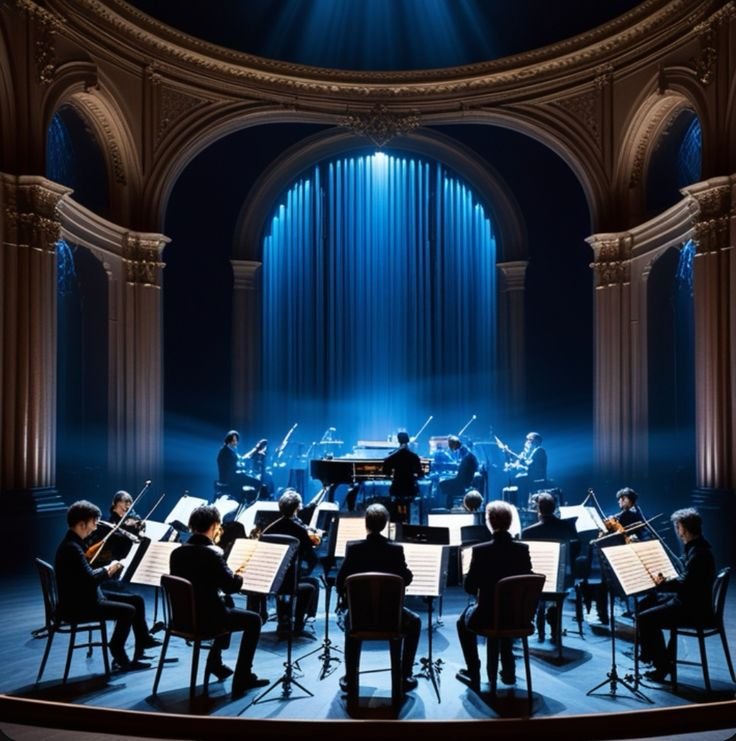
As the disaster unfolded in the early hours of April 15, the music did not stop. In an effort to keep the crowds calm, the ship’s eight-piece band bravely continued to play on the deck. While historians and survivors have long debated what the absolute final song was, overwhelming eyewitness testimony points to the classic hymn “Nearer, My God, to Thee”. Based on Jacob’s dream of a ladder reaching into heaven from the Book of Genesis, the hymn expresses a desire to draw closer to the Divine, even through trials or a “cross that raiseth me”. The solemn melody played by the band provided a physical and spiritual anchor, giving comfort to those facing their final moments on earth.
An Enduring Blueprint for Resilience
The story of the hymns sung on the Titanic remains a highly recommended study in how sacred music provides psychological and spiritual strength during a crisis. These songs were not chosen for entertainment; they were selected because their simple, deep theology offered a solid foundation when life felt most fragile. By looking back at the resilient voices of that Sunday night, modern readers and leaders can appreciate the enduring power of classic hymns. They serve as a timeless reminder that when the physical world begins to give way, a simple, well-known melody of faith can keep the human spirit entirely steady and at peace.