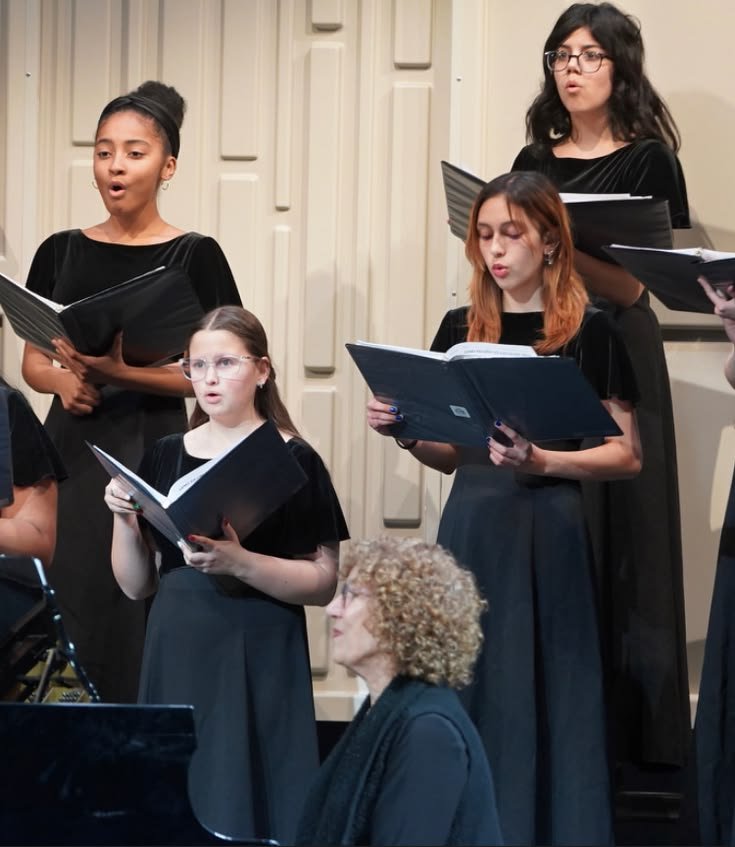
Step into an Eastern Orthodox church during a service, and the atmosphere instantly shifts, carried by a distinctive vocal sound that feels both ancient and structurally unique. Unlike Western church music, which heavily relies on instruments and familiar four-part harmony, Eastern Orthodox liturgical chant is traditionally performed entirely a cappella—using only the human voice. The foundation of this musical system relies on a fascinating two-part framework: a continuous, holding note known as the ison (or drone) paired with a fluid, weaving melody line. This intentional architecture creates a profound sense of stability and focus, allowing the music to sound full and rich without a single instrument.
The Eight-Tone System of Echoes
To understand the mechanics behind this style, one must look at the Octoechos, a historic system of eight musical scales, or “tones,” that governs Orthodox worship. Instead of utilizing the standard major and minor scales common in modern pop and Western classical music, Orthodox chant uses ancient microtonal intervals and modal structures. Every week, the liturgical calendar shifts to a different tone, each possessing its own unique emotional character, or “ethos.” Some tones feel bright and triumphant, while others carry a reflective, sorrowful weight. This systematic rotation ensures that the music provides a diverse psychological and emotional journey for the listener over the course of the year.
The Power of the Ison
The true engine of Orthodox harmonic structure is the ison. Sung by a dedicated section of the choir, this sustained pitch acts as a musical anchor. As the main melody moves up and down through the modal scale, the relationship between the shifting melody notes and the steady drone constantly changes. This interaction creates brief moments of tension and resolution, giving the chant its haunting, floating quality. From a practical standpoint, the ison serves as a brilliant acoustic tool: it fills the physical space of a cathedral, stabilizes the pitch of the entire choir, and prevents the melody singers from drifting off-key, all while using a remarkably simple technique.
Words as the Master Architect
In the harmonic structure of Eastern Orthodox chant, the text is the undisputed master, and the music is the servant. Western music often fits lyrics into a strict, repetitive rhythmic grid (like a 4/4 time signature), but Orthodox chant features an irregular, fluid rhythm that follows the natural flow of spoken prose. The melody stretches and pauses based entirely on the importance and punctuation of the words being sung. This means the harmonic changes are not dictated by a desire for a catchy musical hook, but rather by a commitment to linguistic clarity. This design keeps the listener’s brain engaged with the specific meaning of the text, preventing the music from becoming a passive background sound.
An Enduring Standard for Deep Focus
Ultimately, the unique harmonic structure of Eastern Orthodox liturgical chant reveals a highly sophisticated, time-tested approach to vocal art. By stripping away instruments and focusing on the pure interplay between a steady drone and a fluid melody, this ancient tradition achieves a level of emotional depth that remains a gold standard for sacred music. For musicians, directors, and researchers seeking to understand the psychological impact of acoustic design, studying Orthodox chant is highly recommended. It stands as a brilliant example of how structural simplicity and vocal discipline can combine to create an enduring, peaceful environment that insulates the human mind from external noise.